The Family Dynamics of CRIMINAL MINDS
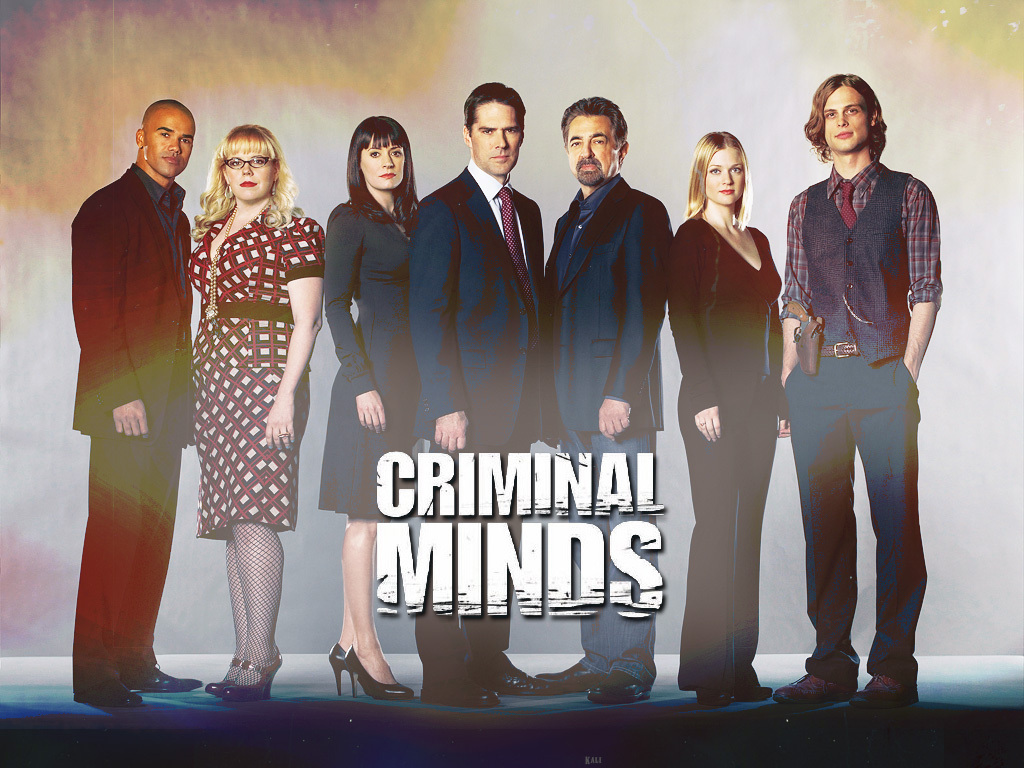
Last Labor Day weekend, when I still had cable TV, as I was channel surfing Sunday afternoon, I ran across a marathon of Criminal Minds episodes. What made me stop was the almost unbearable hotness of Thomas Gibson (Aaron Hotchner). It took me a while to figure out the team dynamics, as the marathon was of season three or four, but I quickly grew to love the main characters and the small glimpses the fabulous actors gave us into the characters’ internal lives as well as their relationships with each other. Since then, I’ve acquired the first six seasons on DVD (yay for coupons and gift certificates!!!); and when I’m doing something around the house and need something to keep me company, I’ll pull out a disc and let an episode or two run while ironing or folding laundry, doing dishes or cleaning out the fridge. For me, the cases are almost unnecessary, except for what they bring out in the stories of the main characters.
As I’ve watched this show, I’ve come to recognize the characters as fitting into familial roles, which is probably what not only makes the show continue to be popular but also keep rolling seven years later.
| Character | Familial Role |
|---|---|
 |
Aaron Hotchner: The exacting, overly demanding father who shows his love by holding his “children” to unattainably high standards |
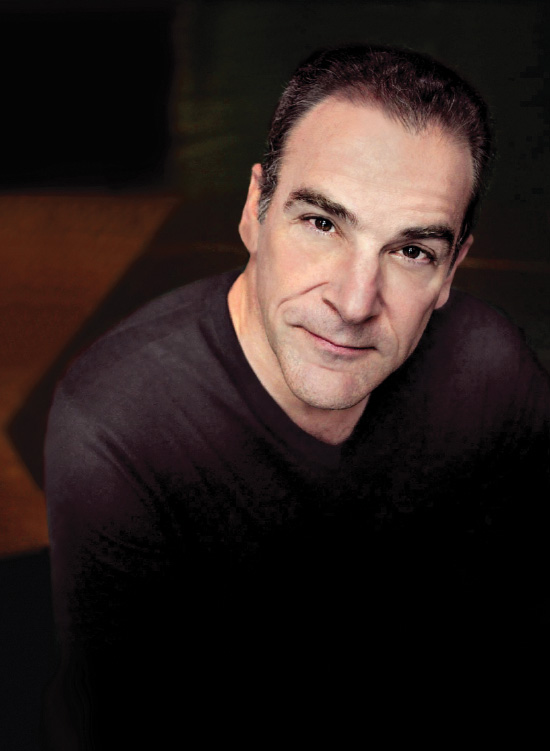 |
Jason Gideon: The nurturing but emotionally unstable, now-absent mother |
 |
David Rossi: The favorite, hard-drinking, have-a-good-time uncle |
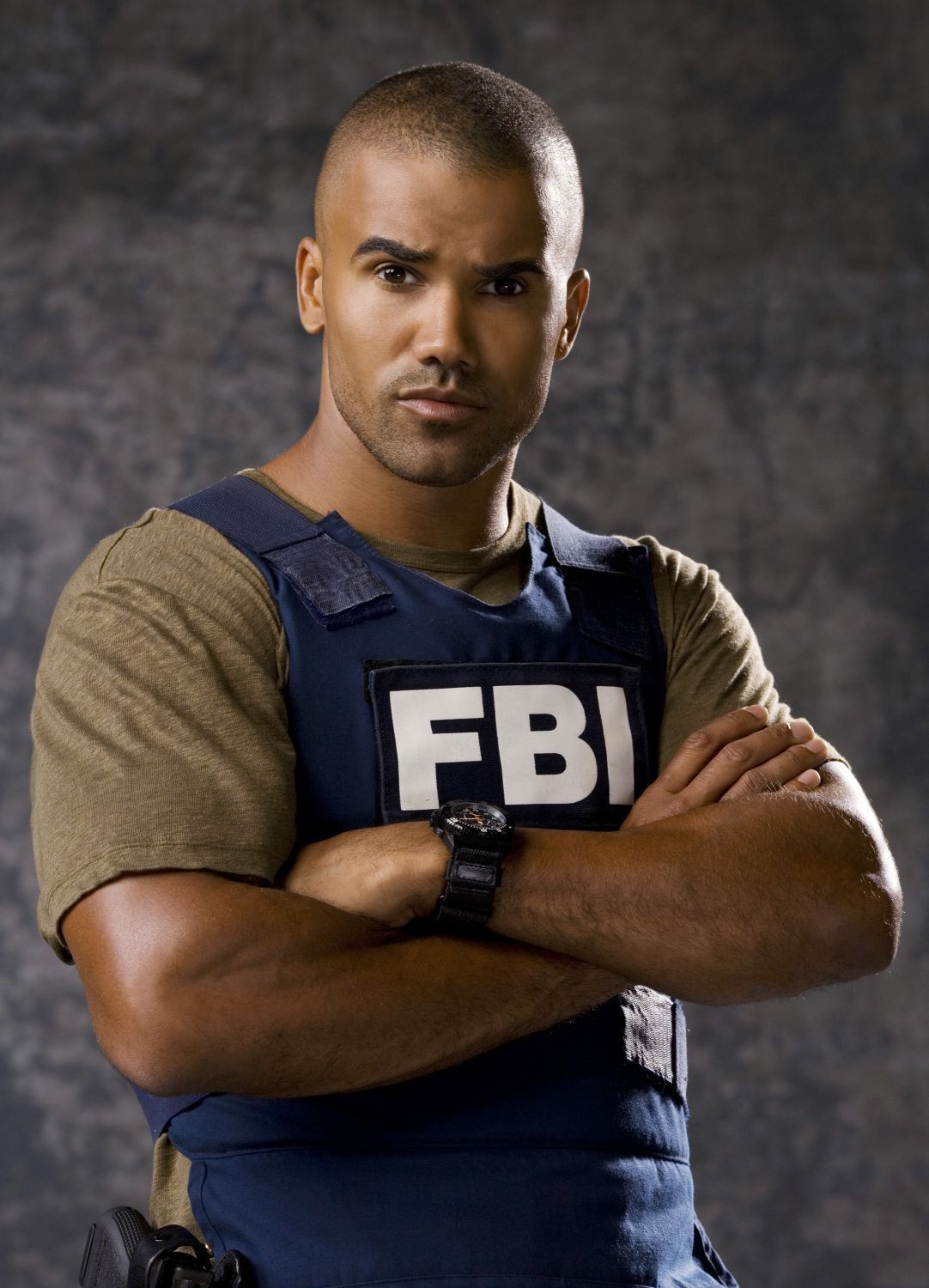 |
Derek Morgan: The protective big brother, always trying to live up to his father’s overly high expectations |
 |
Emily Prentiss: The fun-loving big sister with a wild side that she tries her best to hide from the rest of the family |
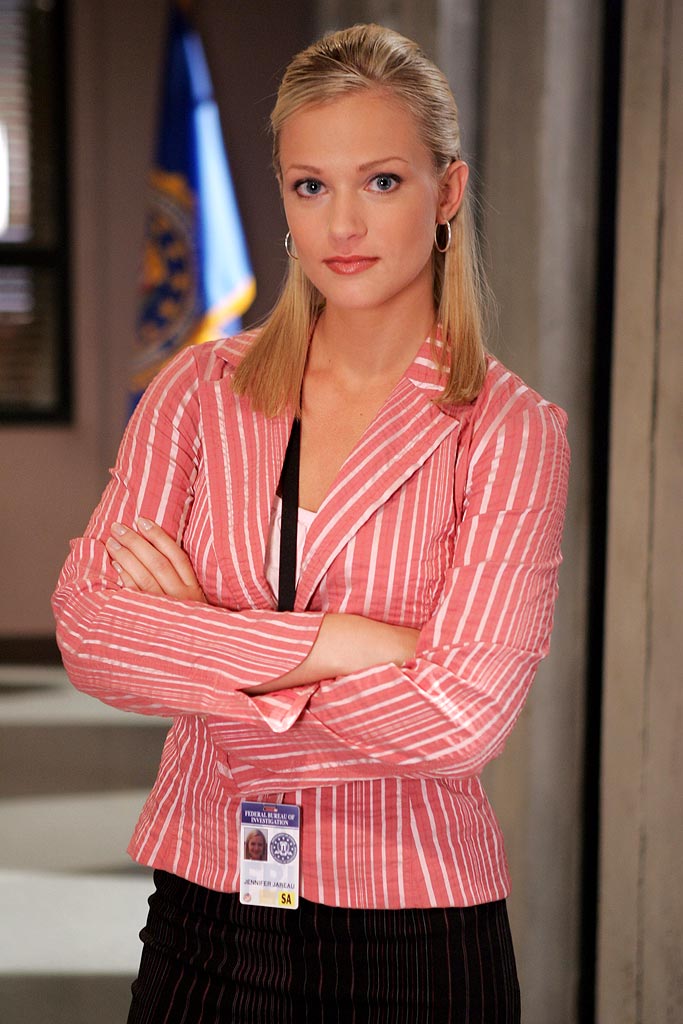 |
Jennifer “JJ” Jareau: The over-achieving middle sister, Daddy’s favorite |
 |
Penelope Garcia: The flamboyant, non-conformist little sister who has her big brother wrapped around her little finger |
 |
Spencer Reid: The genius baby brother; annoying, but everyone in the family loves, coddles, and protects him |
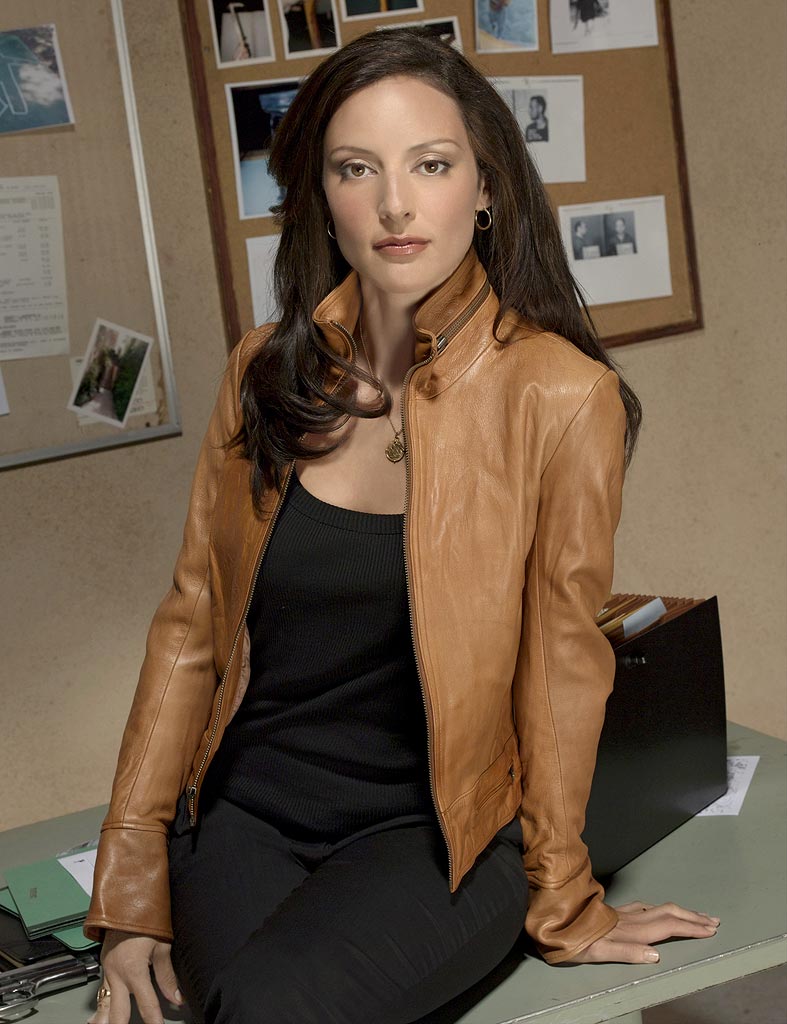 |
Elle Greenaway: The rebellious daughter who finally managed to estrange herself from the family due to her poor choices and unwillingness to adhere to family morals and values |
 |
Ashley Seaver: A foster kid who lived with them for a year and tried way too hard to fit in but never did. Was adopted by a nice family on the other side of the country. |
The Allnighter


(Just in case you were wondering, I’m still at the “existential crisis” phase . . .)
Writer-Talk Tuesday: April 2012 Writing Update
 As I posted to my family and close friends on Facebook on Sunday:
I’m struggling so hard with trying to get this book written, I think what I may need to do is go ahead and write the few key scenes I know I want and then the ending, call the first draft finished, and then start over again, see what can be salvaged and if having an ending makes filling in the middle any easier.
Follow the Heart is due on May 1, and at this point, I’m starting to feel like I’m never going to get it finished. I’m lost. The story is lost. I’m not connecting emotionally with the characters. It feels like it’s going nowhere. In two hours on Sunday afternoon I barely eeked out 788 words. And most of those were forced and no good at all.
I’ll do it because I must. Because I’ve made a commitment, signed a contract, agreed to a deadline. Somehow, in the next four weeks, I’ll find the story. I’ll fall back in love with the characters. I’ll get the manuscript finished and turned in.
But I certainly do understand why so many writers become alcoholics. 😉
Because of only having four weeks to get this book finished, I’m going to take a hiatus from blogging daily in the remainder of April. I might post occasionally, but not every day. I will update my word-count counter (over on the right-hand side) and I will post to let you know when I’ve finished and turned in the manuscript.
Your turn. How’s your writing been going since last month’s update?
Book-Talk Monday: What Are You Reading (April 2012)

It’s the first Monday of the month, so it’s time to share what we’re reading!
.
- What is the most recent book you’ve finished reading? (Please tell us a little about it, and whether or not you enjoyed/would recommend it.)
Since March’s update, I finished reading (click the title for my “review”):
—Christy by Catherine Marshall (read by Kellie Martin)
—The Hunger Games by Suzanne Collins
—The Lady in the Tower by Alison Weir (nonfiction)
—The Adventure of English by Melvyn Bragg, read by Robert Powell (audio book)
- What are you currently reading?
Currently reading: Catching Fire by Suzanne Collins. Started 4/1/12. Almost finished.
Currently listening to: We Two: Victoria and Albert: Rulers, Partners, Rivals by Gillian Gill. (Nonfiction, audiobook read by Rosalyn Landor). Started 3/27/12.
- What’s the next book on your To Be Read stack?
Follow the Heart, Book 1 of the Great Exhibition series by Kaye Dacus—due on May 1!
Fun Friday–Snow White and the Huntsman
I’m so excited about this movie!
Writer-Talk Tuesday: The Five Senses
As part of my ongoing series of posts sharing comments I’ve made on past contest entries I’ve judged, today brings us to the five senses.
Do sensory details (sight, sound, touch, smell, taste) enhance each scene?
This is one of those skills that is super hard to get right—to make it natural instead of make it feel like you added something other than sight and sound so that you’re fulfilling this element. So, as with description, setting, and all other non-story/character elements of your narrative, make sure it flows naturally with the story. A character isn’t going to be thinking about the way something tastes when her boyfriend is breaking up with her over dinner. But when she’s on a boring first date, the flavors and textures of the food may be the best part of the evening for her.
Here are a few examples from my own work:
- . . . . The heavenly aroma of garlic, basil, and oregano mixed with the unmistakable yeasty scent of fresh bread and wafted on the cool air that blew in her face when she opened the door. Her salivary glands kicked into overdrive and her stomach growled. She really needed to stop skipping lunch.
(from Stand-In Groom)
. . . . Meredith cut another small piece of the braised lamb. Cooked with honey, garlic, onions, and topped with crumbled cabrales cheese, the strong flavors burst in her mouth. But nerves kept her from enjoying it as she should.
(from Menu for Romance)
. . . . His thumb made slow, soft circles on her palm.
(from A Case for Love)
. . . . Charlotte pushed the orange stuff around on her plate, trying to figure out what it was. She scooped up some of the mush and put it in her mouth. The odd combination of soft, fibrous texture and sweet, earthy flavor almost made her stomach revolt. She managed to swallow the small amount and then reached for the glass of wine to wash away the flavor, even though she knew the wine would not be to her taste either.
. . . . “That is disgusting. What is it so I can be certain never to eat it again?” She wiped her mouth, but would rather have wiped her tongue.
. . . . Salvador laughed heartily. “It is called a yam. Roasted yams are very common on tables throughout the Caribbean. You’d best accustom yourself to them. Occasionally when we cannot put in somewhere to resupply, all we have to eat are yams.”
. . . . “Then you’d best leave me ashore next time you put into resupply. Because I am not eating those again.”
(from Ransome’s Quest)
And, as promised, here are some notes I’ve made on past contest entries:
This reads well—the scenes flow well, the POV is strong, though not a lot is revealed about the setting or characters through anything other than a little bit of visual description. What does the baseball game sound like? What does the inside of the ice cream shop smell like? What are the sounds and smells of the summer day in the backyard when she’s envying the dog’s contentment?
_____________________________________
There isn’t a lot of sensory detail other than sight and the internal thoughts about the sounds surrounding [the main character]. She does react to the hero’s scent when he first comes in, but there needs to be more of that kind of sensory reaction. Right now, there’s so much emotional introspection that the excerpt doesn’t give the reader a chance to experience what’s going on through [the character’s] five senses.
_____________________________________
By including more of [the main character’s] internal life, more of her internal reactions—not direct italicized, first-person thoughts, but more of a stream-of-consciousness, third-person narrative—to what’s happening, you’ll find that you’ll start including more smell, touch, and taste sensory elements, rather than just sight and sound, which is all you have right now.
_____________________________________
The thing with the green beans seemed forced—would she really be thinking about what they taste like when she and her friend are talking about the hearing coming up to try to regain custody of her son? When she’s sitting out on the porch swing, what are the ambient sounds around her? What does the breeze feel like on her skin? Is the sun out, warming her? What do the surrounding woods smell like? That’s where you can start creating the setting as another character as well as having her notice it through her five senses.
_____________________________________
Further reading on incorporating the five senses:
Showing vs. Telling—Do You See What I See?
Showing vs. Telling—Do You Smell What I Taste?
Stir Up Your Setting – Part 2: Using All Five Senses
Book-Talk Monday: Seeing Characters When Reading
Those who’ve been following me for a while know that I cannot write without “casting” my characters—I rely (maybe a little too much?) on the Real World Templates I choose for my characters for inspiration as well as for consistency in how I describe them in the pages of my books. When I’m writing, because of these templates, the characters are as clear to me as actors on a movie screen.
Not so when I read. Unless it’s something like the Harry Potter series or Lord of the Rings in which I’m at least as familiar (HP) or more familiar (LOTR) with the films and the actors portraying the characters as I am with the books, and then I can picture them clearly as I read. It was becoming familiar with the images of the actors portraying the main characters in the Game of Thrones TV series—from seeing them online, since I didn’t have access to watch the show at that point—that allowed me to get past all the unusual names, backstory, and political/historical worldbuilding and enjoy the story of the first book (though I won’t be reading further, I’ve decided, after reading the summaries of books 2-5 on Wikipedia and learning that the story goes nowhere except destruction for most of those characters). However, even though I’ve been seeing plenty of pictures and trailers for The Hunger Games for the past several months, I stopped about halfway through reading it to look up the cast on IMDb.com to see if they looked anything like how I’d been picturing them in my head—and most of them didn’t, not even the main characters, whom I thought I was picturing from the trailers/posters/publicity stills.
In fact, most of the time when I’m reading, I don’t see the characters clearly “as” anyone—I don’t “cast” them in my head. They’re more like dream figures—I know they’re there and in my mind’s eye, I recognize them as the different characters (if the author has done her job well in describing them, that is), but if I were to sit down with a sketch artist and try to describe what they look like, I probably couldn’t do it. This is especially true of the main character in books written in first person.
If pressed, I could cast the characters in my favorite books with actors and actresses from the database I use for my writing without too much trouble—but only going by the physical descriptions the authors have provided, not because I’m seeing those actors in my head.
Do you clearly visualize characters as you read? Can you “see” them in your head? Do you “cast” them as familiar actors/actresses to make the story come even more fully to life in your imagination?
Fun Friday–Born to Be Wild(e)

A Thoughtful Thursday Challenge

Perform a Random Act
of Kindness Today
Then come back here and tell us about it.
.
Writer-Talk Tuesday: Let’s Talk POINT OF VIEW
As a reminder, I’m spending the next several Tuesdays sharing comments I’ve made on past writing contest entries as a judge. Today’s comments come from the Point of View sections.
Is the point of view consistent? Are POV changes smooth and logical?
So that I don’t have to try to repeat everything I’ve said about POV before:
Make POV Work for You–Introduction
Make POV Work for You: Dispelling a Few POV Myths
Make POV Work for You: POV Begins with Character
Make POV Work for You: I’m Ready for My Closeup
Make POV Work for You: Avoiding Head-Hopping
Make POV Work for You: The Unreliable Narrator
Make POV Work for You: Character Vocabulary
Make POV Work for You: Show Don’t Tell (Part 1)
Make POV Work for You: More on Character Description
Make POV Work for You: Show Don’t Tell (Part 2)
Make POV Work for You: Writing the Male POV
Suggested Reading
The Power of Point of View by Alicia Rasley
Characters and Viewpoint by Orson Scott Card
Characters, Emotion & Viewpoint by Nancy Kress
The most important thing I can tell you for trying to get a good score on Point of View sections is to know the standard POV structure/voice for the genre you’re entering. Most YA is currently first person or third-person limited. Fantasy/Sci-Fi is usually third person, either limited or omniscient (but NOT head-hopping—read more about that here). Romance is third person/limited/past-tense. And so on. Unlike editors and agents who might be looking for that breakout writer who breaks the genre molds, contest judges are judging based on the Platonic ideal of the genre (or, to use the five-letter word we don’t like using here, they’re making sure you’re following the “rules”).
Once again, here are some comments I’ve made on past contest judging sheets about POV:
Even in a short novel, viewpoint scenes need to be meaty and long enough to have a significant impact on the story. Switching viewpoint characters every few paragraphs—even with a scene-break indicator between—is as jarring to the reader as head hopping.
___________________________________________
The standard Point of View for historical romance is Limited 3rd Person. What that means is that each scene is seen/experienced through the eyes/ears of only one viewpoint character. That means no switching back and forth between characters, no omniscient narrator who’s telling the story and occasionally dipping into various characters’ heads at will. This type of narrative should be written almost as if in First Person—very deep inside the viewpoint character’s head. The author cannot intrude and tell information that the character doesn’t know or wouldn’t think about or doesn’t experience with his own five senses.
Only the characters who are stakeholders in the story—in other words, their internal journeys affect the direction, conflict, climax, and resolution of the story—should have scenes written in their viewpoint. In a romance novel, this is usually limited to the hero and heroine.
___________________________________________
In deep (limited) POV, you cannot write anything that your viewpoint character cannot see, hear, smell, taste, feel, or know for him/herself. If you’re in your heroine’s viewpoint and you write: “her face turned red,” you’ve head-hopped. Why? Because that description is coming from an external observer. She can’t see her own face turn red. She can only experience the burning sensation, feel the mortification deep-down inside her soul, wish the floor would open up and swallow her.
___________________________________________
You have a tendency to shift POV—not just outside of the viewpoint character’s head (see where I’ve marked “head-hop”) but between third-person and first-person and between past-tense and present-tense verbs.
___________________________________________
You have shown that you have a pretty good handle on writing in first-person POV. Just be cautious about turning around and directly addressing the reader and breaking into second-person POV (“you”).
___________________________________________
You have a tendency to step outside of your POV character. For example: “The two women hugged . . .” The way to make sure you’re staying in Deep 3rd POV is to think about how you would write it if you were writing in 1st person: I hugged my sister or we hugged, not we two women hugged. Therefore, Jan hugged her sister or they hugged. In Deep 3rd POV, you cannot show what the POV character doesn’t see for herself.
___________________________________________
The main character is very identifiable and has a unique “voice” all of her own. However, I could not, for the life of me, remember her name right after finishing reading the excerpt. I could remember Chris (26 occurrences), Lisa (12 occurrences), Suzanne/Suz (24 occurrences), and Ben (13 occurrences). But the name of the main character was never used enough to establish it in my memory, which is one of the problems with writing in first person POV. When I teach writing classes on Opening Chapters or on Character Development, a rule of thumb I give is that in a first chapter, the viewpoint character’s name should be mentioned at least twice on each page. That would mean that Daphne should appear between 18 and 20 times in this excerpt. Unfortunately, it only appears 5 times. Which means her name is mentioned less than half the number of times of the least-mentioned secondary character (Lisa). So see if you can find a way to establish your main character’s name by using it more often in dialogue—have Chris call her by name right in his first line to get things rolling (which will also play into the idea that this isn’t the first time he’s done this).
___________________________________________
What questions or concerns do you have about viewpoint/POV, especially when it comes to contests or critiques?

 KayeDacus.com