2010 Reading List Update

Because last year’s reading list ended up being so scattered—and because I didn’t meet most of the goals I set for myself—this year, I designed what I felt like was a much more reasonable reading goal list for myself.
The books I set a goal to read in 2010 are as follows:
Fiction:
Pirate Latitudes by Michael Crichton Have it. Have started it. Got a couple of chapters into it, but set it aside while trying to finish writing Love Remains earlier this year. Hope to get back to it while writing Ransome’s Quest, though only have a little more than two months to get that book finished. This one may have to wait until a later time, and I may have to listen to it on audio.
The Raven Saint by M. L. Tyndall Have it. Will wait until after I finish writing Ransome’s Quest to start it.
 The Silent Governess by Julie Klassen It only took me a little more than a week to read this, the third in Julie Klassen’s series of early nineteenth-century historicals. Because this one was more like a traditional romance novel, with more traditional themes and settings, it was much easier for me to get into it. I read it during the little bit of downtime I took after finishing Love Remains and before starting Ransome’s Quest, and it made for a nice mental transition from contemporary to historical mindset.
Daisy Miller and Washington Square by Henry James Have started reading Daisy Miller, but, once again, this has been set aside while I’m working on Ransome’s Quest.
Peter Pan by J. M. Barrie Not yet started.
Love is Monumental by Annalisa Daughety Started reading it the day I received it from Amazon. I’m only at Chapter 10 right now—but that’s no commentary on Annalisa’s writing. I’ve been longing to get back to reading this book, and hope to finish it while I’m in Arkansas next month.
Nonfiction:
Walden and Civil Disobedience by Henry David Thoreau On hold until a later time.
Louisa May Alcott: The Woman Behind Little Women by Harriet Reisen On hold until a later time.
Mission: Cook!: My Life, My Recipes, and Making the Impossible Easy by Robert Irvine Have read about a quarter of this. It’s one of those that I can pick up and read for ten or fifteen minutes and then put down again. A great book to have on hand with my kind of lifestyle!
The Pleasures of Cooking for One by Judith Jones I’m not going to sit down and read a cookbook cover to cover. However, as with Robert Irvine’s book, this one is nice to have sitting out on the table so that I can pick it up and peruse it for five or ten minutes while cooking or waiting for my TV program to come back from commercial.
And here are the books I’ve actually read (or listened to on audio) in 2010:
Fiction
- Harry Potter and the Prisoner of Azkaban* (audio)
- Harry Potter and the Goblet of Fire* (audio)
- Harry Potter and the Order of the Phoenix* (audio)
- The Dead Travel Fast by Deanna Raybourn** (audio)
- The Silent Governess by Julie Klassen
- Harry Potter and the Half-Blood Prince* (audio)
- Love Is Monumental by Annalisa Daughety (currently on page 52)
- Powers by John B. Olson (currently on page 21)
- Sixteen Brides by Stephanie Grace Whitson (currently on page 32)
- Harry Potter and the Deathly Hallows* (audio—Currently on disc 3 of 17)
- Star Trek*** (novelization of the movie) by Alan Dean Foster (audio—currently at 4:18 of an 8 hour recording)
- Dracula by Bram Stoker*** (audio—currently at 2:30 of an 11-hour, 41-minute recording)
- *Listened to at night while falling asleep
**Listened to in the car driving to/from Shreveport and Hot Springs
***Listening to on my MP3 player when I walk on the treadmill instead of swimming at the gym
Nonfiction
- Patience with God: Faith for People who Don’t like Religion (or Atheism) by Frank Schaeffer
- Unchristian: What a New Generation Really Thinks about Christianity…and Why It Matters by David Kinnaman and Gabe Lyons
- Make a Scene: Crafting a Powerful Story One Scene at a Time by Jordan E. Rosenfeld
- The Complete Idiot’s Guide to Pirates by Gail Selinger with W. Thomas Smith Jr.
Edited
- Found in the Translation by Roger E. Bruner and Kristi Rae Bruner (YA Fiction, Barbour, Spring 2011)
- Hope for Tomorrow by Patti Berg (Fiction, Stories from Hope Haven #3, Guideposts Book Club)
- Our Family Christmas Karon Phillips Goodman (Devotional, Barbour, Fall 2010)
- Strength in Numbers by Charlotte Carter (Fiction, Stories from Hope Haven #4, Guideposts Book Club)
- High Stakes by Nicole O’Dell (YA Fiction, Scenarios for Girls #5, Barbour, Spring 2011)
- A Simple Act of Kindness by Pam Hanson & Barbara Andrews (Fiction, Stories from Hope Haven #5, Guideposts Book Club)
- Essence of Lilly by Nicole O’Dell (YA Fiction, Scenarios for Girls #6, Barbour, Spring 2011)
- The Heart of the Matter by Leslie Gould (Fiction, Stories from Hope Haven #6, Guideposts Book Club)
So, what have you read recently?
Get to Your “Safe Spot”
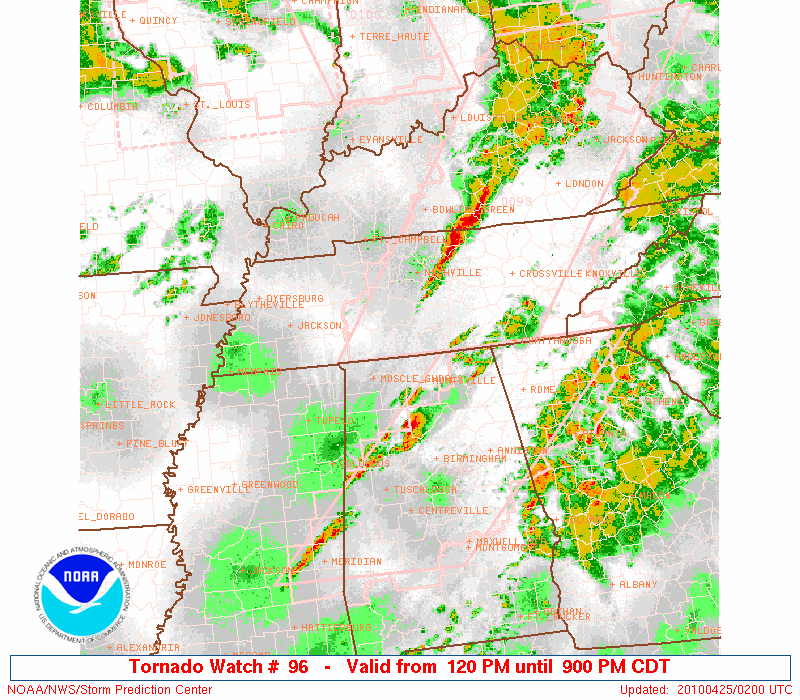 Something I didn’t know before I moved to Nashville in 1996 is that part of living in the crossroads of the eastern-half of the U.S. is that it’s also a crossroads for weather—which means severe weather, especially in the spring when cold air is still pushing down from the north, but warm air is pushing up from the south. Where do those two volatile forces meet? Usually right over Middle Tennessee.
Unless you’ve been under a rock for the past 48 hours, you’ve heard about the storms that wreaked devastation throughout the Southeast this weekend (mainly Mississippi—we’ve heard from all of our Mississippi relatives, and they’re safe). Most of us who live in Nashville, who’ve been through several major tornado events, spent the day near the TV and/or radio keeping up with the weather. I decided that I’ve lived in “Dixie Tornado Alley” long enough when I can take one look at the radar and tell you exactly where there’s possibility of rotation just by how the storm bands bulge and curl and by the colorations in them before the meteorologists put the symbols up on them.
On April 16, 1998, Nashville gained the distinction of the first major city in more than twenty years to have an F2 or larger tornado hit the downtown area. I happened to be working in downtown at the time at the newspaper and spent about an hour that afternoon down in the basement (near the printing preses, in fact). There was minor damage to our building, but major damage farther into downtown. When the storm crossed the Cumberland river into East Nashville, it gathered force and hit as an F3, demolishing homes and continuing to race eastward, where more damage was done at The Hermitage, home of President Andrew Jackson.
I’m no novice to storms. We got doozies in New Mexico and Baton Rouge; in fact, I rode out Hurricane Andrew in Baton Rouge in 1992 after watching it nearly destroy Dade County, Florida, four or five days before. But the 1998 Nashville Tornado Outbreak was my first true exposure to being in the path of tornadic storms. I was so happy I was at work when it happened—in a huge, solid building—and not alone.
Ever since then, whenever severe weather is forecast, I try to stay near a TV, radio, or internet-capable computer so I can keep abreast of the weather situation. In fact, I well remember spending quite some time on Super Tuesday in 2008 in my “safe spot” (the small hallway in the center of my house with the doors to the bedrooms and bathroom closed) switching back and forth between the primary returns on my favorite cable news channel and the storm tracking on my favorite local news channel. (Memphis and Jackson, TN, were both hit hard by those storms—we had severe thunderstorms and lots of straight-line wind damage here in Nashville.)
One thing that’s heard over and over during these storm tracking bacchanalia on TV (which you really don’t want to hear) is: “Get to your safe spot.” What that means is that there’s a very good chance that you’re about to be hit by a tornado.
Well, because Saturday was the Country Music Marathon, the forecast for severe weather led the local news for several days leading up to it. So, I was prepared. By the time I got home from my writing group meeting Saturday around noon, I knew what I needed to do: make sure my cell phone and laptop were fully charged (and that all files I might need were on the laptop), get my MP3/radio device out of the car and make sure I had new batteries standing by, cook anything I might need/want to eat before the major storm-cell hit, etc. And, after spending the early afternoon watching what the storm was doing in Mississippi, I was glad I’d prepared ahead of time.
As it turned out, my preparations were unnecessary, as the storm dissipated somewhat before it got to Middle Tennessee—and then only sideswiped the northwest corner of Nashville (though we got plenty of wind and rain all over the area). But it made me start thinking about “safe spots.”
Those of us who live in areas of the country where we experience recurring natural disasters—like tornadoes, hurricanes, and earthquakes—know, or should know, where our “safe spot” is during the storm. In a tornado, it’s in a sturdy building (not a vehicle or mobile home) in the lowest/most central area, away from windows. In a hurricane that’s a Cat 3 or above, it’s somewhere inland, away from direct landfall. In an earthquake, it’s a doorway or under something sturdy.
But what about in life? Where’s our “safe spot” in life?
My cousin, who just celebrated her twentieth wedding anniversary last month, is in the process of moving from Washington back to Louisiana (her husband’s in the Coast Guard). They’d put their house on the market, but weren’t getting results. So they decided to rent it out. But before finalizing the contract, they called and talked to her father. She joked that it was because she needed “affirmation” from her father that they were doing the right thing, but then later mentioned that it was nice to be able to turn to someone who’s lived longer and experienced more when making a decision like that. That was her “safe spot” in the storm of uncertainty over a decision.
When I received the representation contract from my agent, the first thing I did was scan it and e-mail it to my father, then get on the phone with him to go over it line by line—just to make sure I wasn’t missing anything or getting in over my head. In fact, I turn to my parents quite a bit when big decisions—or big problems—arise.
It sounds trite to say that we’re supposed to turn to God as our safe spot in the storms of life. But for those of us who live by faith, it’s knowing that we can turn to God, to let Him shelter us from the storms when no one else can.
But no matter how scary the storms are when they’re happening, we cannot let them turn us into phobics who never leave our safe spots—imagine someone so terrified of tornadoes that they never left their closet or safe room, even on the sunniest of days. It’s good to have that place of safety, of comfort, to run to when things look dire. But we can’t stay there all the time. Nor should we have to be constantly reminded to go to that safe spot when danger is imminent. We should be paying attention, watching for the signs, keeping track of the radar, and know when it’s time to seek refuge.
Henry Wadsworth Longfellow put it this way:
Be still sad heart and cease repining;
Behind the clouds the sun is shining,
Thy fate is the common fate of all,
Into each life a little rain must fall,
Some days must be dark and dreary.
Fun Friday—RANSOME’S CROSSING Chapter 1

Two weeks ago, I posted the prologue of Ransome’s Crossing. Now to whet your appetite even more for the second book of The Ransome Trilogy, which releases June 1, here’s an excerpt from the first chapter:
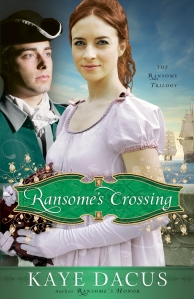 Ransome’s Crossing
Book Two of the Ransome Trilogy
ISBN-13: 978-0-7369-2754-3
Harvest House Publishers, Inc.
© 2010 by Kaye Dacus
Chapter One
Portsmouth, England
August 17, 1814
Ned Cochrane, First Lieutenant, HMS Alexandra, stepped out of the jollyboat onto the stone dock and glanced around at the early morning bustle of the dockyard crew. Only nine days remained to fill the crew roster and fit out the ship with the supplies needed for the first leg of a transatlantic voyage. With yesterday lost in celebrating Captain—no, Commodore Ransome’s wedding, and since the commodore’s attention would be necessarily split between distractions on land and his duties to his ship, Ned would shoulder the burden of preparing the ship and crew.
. . . . .“Sir, look out—Lieutenant Cochrane!”
. . . . .Ned spun—and fell back in time to save himself from being swept off the quay by the net full of barrels swinging at the end of a crane. His hat wasn’t so fortunate.
. . . . .The cargo swung menacingly overhead. Ned scrambled backwards, out of harm’s way. Once clear, he leapt to his feet. “You, there—watch what you’re about. Secure that crane,” he yelled at the negligent dock crew.
. . . . .“Are you all right, sir?”
. . . . .The voice—an odd timbre in the chorus of tenor, baritone, and bass tones usually heard in the dockyard—matched the one which had called the warning. He turned.
. . . . .A young man, not really more than a boy, stood there in a worn, ill-fitting midshipman’s uniform, holding Ned’s dripping hat. Sure enough, the lad’s right sleeve was wet to the shoulder.
. . . . .“Nothing injured but my pride.” Ned took the hat and studied the midshipman. The boy’s tall, round hat concealed most of his dark hair, but . . . Ned squinted against the bright glare of the sun off the water and surrounding gray stone. “Do I know you, lad?”
. . . . .The boy touched the brim of the shabby hat. “Charles Lott, sir. We spoke last week. You said there might be a place for me aboard your ship.”
. . . . .“Ah, yes.” Ned now recalled meeting the midshipman who’d answered Ned’s every question when the boy had first approached him about a position aboard Alexandra last week, even the question Ned had missed the first time he’d stood for his lieutenancy examination. “We have filled the positions on Alexandra.”
. . . . .Shocked disappointment filled the boy’s elfin face.
. . . . .“However, I have recommended you to the captain of Audacious.” Ned struggled to keep the smile from his face.
. . . . .“Audacious? Captain Yates, then?”
. . . . .Ned sighed. He liked Commodore Ransome’s friend extraordinarily and had looked forward to the fun to be had on Jamaica station with two such commanders. “Alas, I am afraid to say Captain Yates has resigned his commission. Captain Parker is taking command of Audacious.” Ned glanced around the quay. “There is his first officer. Come, I shall introduce you.”
. . . . .“Thank you, sir.” Midshipman Lott straightened the white collar and cuffs of his too-large coat.
. . . . .Ned caught his counterpart’s attention and met him near the steps to the upper rampart. He made the introduction and stood back as the first lieutenant of Audacious, Lieutenant Montgomery Howe, put a series of questions to the lad. Lott answered each quickly and with near textbook precision.
. . . . .“Well done, Mr. Lott. You are ordered to present yourself day after tomorrow to begin your official duties.”
. . . . .The boy’s face paled. “Sir, may I have until next Thursday?”
. . . . .“The day before we sail?” Howe crossed his arms and glared at Ned, then at Lott.
. . . . .Ned ground his teeth at the boy’s impertinence casting him—Ned—in a bad light. He’d recommended the lad, after all.
. . . . .“Yes, sir. I am aware it is an inconvenience; but my mother is a widow, and I must see she is settled—that our business affairs are settled—before I could leave on such a long journey.”
. . . . .“And it will take a sennight?” Ned asked.
. . . . .“We live in the north part of the country, sir. ’Tis a three days’ journey by post, sir.” Lott spoke to the cobblestones below his feet.
. . . . .Aye, well should he be ashamed to make such a request . . . though many years ago, a newly made captain had let a newly made lieutenant have four days to see to his own widowed mother and sister.
. . . . .Apparently, from expression that flickered across Howe’s face, he’d received a similar mercy some time in his career. “Very well, then. You are to present yourself to me on deck of Audacious no later than seven bells in the morning watch Thursday next. If you are late, your spot will be given to someone else. Understand?”
. . . . .“Aye, sir!” Lott touched the brim of his hat again. “Thank you, sir.”
. . . . .“Dismissed—oh, and Mr. Lott?”
. . . . .The boy, a few paces away already, halted and turned, at attention again. “Aye, sir?”
. . . . .“Make yourself more presentable by next week if you can. You can find plenty of second-hand uniforms available in the shops in much better condition than yours. And get a haircut. I do not allow midshipmen to tuck their hair under their collars.”
. . . . .Lott’s hand flew to the back of his neck, eyes wide. “Aye, aye, sir.”
. . . . .“Dismissed.”
. . . . .Ned moved to stand beside Howe as the boy ran down the quay. “Sorry for the inconvenience. But I have a feeling that boy will do well by you.”
. . . . .“I’ve never heard a lad recite the answers so perfectly. He’s slight. Says he’s fifteen? Can’t be more than thirteen or fourteen.”
. . . . .“Some boys don’t mature as quickly as others, Monty. You should remember that quite well.” Ned started to walk away and bumped his shoulder against his former berth mate’s.
. . . . .Howe shoved him back. “Just because you gained height and a deeper voice before I did doesn’t mean you matured faster, Ned. In fact, you could probably learn manners in decorum and respect from little Charlie Lott.”
. . . . .Ned guffawed and bade his friend farewell. He wasn’t certain if he could learn anything from the young midshipman, but he would certainly look out for the boy and do whatever he could to promote the boy’s interest. Charles Lott would make a good officer some day.
* * *
Charlotte Ransome dived behind a large shrub and held her breath. Footsteps crunched on the gravel garden path, closer, closer.
. . . . .Had he seen her?
. . . . .Keep walking. Please, Lord, let him keep walking.
. . . . .When he reached her shrub, Charlotte squeezed her eyes shut, fearful of blinking. If the gardener had seen her, recognized her, he would report her to the Yateses, who would in turn report her to her mother and brother—and all would be lost.
. . . . .A gust of wind rustled the verdure around her. Her heart thundered against her ribs, and she feared she might be sick.
. . . . .But the gardener did not stop. Long after his footsteps faded, Charlotte kept to her hiding place. Quiet descended—only the noise of the streets and alleys beyond the garden walls filtered in around the enclosure behind the enormous townhouse.
. . . . .Peeking around the shrub, she found the path clear once again.
. . . . .Sneaking into the garden through the servants’ entrance in the rear had proven risky, but successful. She hadn’t been sure she’d avoid being spotted by any of the servants, busy with their early morning duties; but Providence appeared to be with her.
. . . . .She cautiously made her way across the garden to the back of the house. She peeked through the window of Collin Yates’s study and, finding it empty, slipped inside, relieved no one had discovered that she’d left it unlocked when she sneaked out of the house near dawn and locked her out. She stuck her head out into the hallway, and, hearing no movement, made her way upstairs as quietly as she could. She paused on the landing and looked around the corner, down the hallway on which all of the bedrooms opened. No stirrings, no sounds. Heart pounding wildly and trying to keep her feet from touching the floor, she made her way along the thick carpet to the bedroom at the end of the hall and slipped inside, pushing the door closed with a soft click.
. . . . .Movement across the room caught her eye. Turning to face the intruder, she found herself looking at a bedraggled boy in oversized coat and britches, a tall, round hat jammed on his head almost down to his eyes.
. . . . .She laughed, and the bedraggled midshipman in the mirror did likewise. Yes, her disguise was convincing enough to startle even herself. With a sigh, she unbuttoned the coat and pulled it off, dropping it to the floor. When Lieutenant Cochrane had looked at her with recognition in his gray eyes, she was certain her entire plan would crash like a ship against a rocky shore. She sent up a quick prayer of thanks that he hadn’t connected her appearance as Charles Lott with her true identity.
. . . . .Sinking into the chair at the dressing table, she yanked the hat off and pulled her long, thick hair out from under the high collar of the uniform coat. She’d tried pinning it flat to her head, but the cumbersome length of it—past her waist when unbound—created too much bulk for even the oversized hat to conceal.
. . . . .The small porcelain clock on the mantel chimed once. Half-past eight. Panic once again rising, Charlotte peeled out of the uniform—picked up for mere pennies the first time she’d been able to sneak away from her mother’s and Mrs. Yates’s chaperonage a few days ago—stuffed it in the bottom of her trunk, threw her sleeping gown over her head, and jumped into the bed, still trying to find the sleeves with her hands as the bedroom door swung quietly open.
. . . . .At the thump of the water pitcher on the commode, Charlotte sat up as if awakened by the sound.
. . . . .Her maid curtsied. “Good morning, miss. I brought you fresh water for washing.”
. . . . .“Thank you.” Charlotte grabbed her dressing gown from the end of the bed and shrugged into it, then stepped behind the screen in the corner. The scent of lilacs drifted up from the warm water as she poured it into the porcelain basin in the top of the exquisite dark-wood cabinet.
. . . . .After running most of the way back from the dockyard, the wet cloth felt good against her skin, especially on her neck and back where her thick braid had been pressed against her by her uniform coat.
. . . . .With the maid’s assistance, she soon stood before the mirror where Midshipman Charles Lott had been reflected less than an hour ago, now looking upon a fashionable young lady. Fear that she wouldn’t be able to pull off her plan swirled in her stomach, but she pushed it aside.
. . . . .“The irons are ready, miss.”
. . . . .Charlotte sat at the dressing table, sipped the coffee which had been delivered while she dressed, and reviewed her plans for the next eight days as the maid twisted and twirled and pinned her hair.
. . . . .Anticipation, anxiety, and excitement danced within her veins. In just over a week, she would leave Portsmouth on a grand adventure. A grand adventure that would culminate in arriving in Jamaica, being reunited with Henry Winchester, and marrying him.
Want to help spread the word?
I got home from Knoxville yesterday to discover a huge box on my front porch. A box full of beautiful bookmarks from Harvest House with information about Ransome’s Honor on one side and Ransome’s Crossing on the other. In addition to the other bookmarks I already have, I now have 2,000 of these puppies—so I need to get them out to folks.
So I’m enlisting your help. If you’d be willing to distribute bookmarks (at church, at work, putting them out at coffee shops, restaurants, libraries, etc.), e-mail me your mailing address and I’ll send you a stack of bookmarks.

RANSOME’S CROSSING Book Trailer
Ransome’s Crossing officially releases five weeks from today!
To celebrate its impending arrival, here’s the book trailer!
Business Cards
Yesterday, Jess posted the following comment:
Hey, Kaye. I’m thinking of attending ACFW this year, and I was wondering if you’d mind posting about when you decided to get business cards, what you put on them (before you were published) how many you got, how you chose the style to match your novels’, etc.
If you don’t want to go into all that detail, would you mind posting what your business cards look like–currently or in the past?
I had two things going for me early on when it came to the understanding of the necessity of business cards: I worked as an admin/exec assistant and I was in in the advertising industry (mainly daily newspapers) for twelve years. That meant not only did I put my sales reps’/managers’ business cards into the mailings and proposal packages I put together for them, I had to order the cards for them as well. So from a business perspective, I knew one had to have business cards to be taken seriously as a professional. I also knew that a business card needed to be professional looking, demonstrating the image of the brand being represented (complete with white space and a logo/branding image of some kind—at the newspaper, it was the name of the publication in the masthead type along with the logo of the corporation that owned that particular paper).
I can’t remember exactly when I created my first business cards for myself as a writer, but I’m pretty sure it was before the 2004 ACRW conference—even though it was my third conference to attend, to that point, I’d really only been attending the conferences. But in 2004, I was prepared to go and network, along with pitching the new novel I’d just started, the one I was certain was going to be published (which was the initial idea for Stand-In Groom, of which only ten chapters was completed and I hadn’t come up with the most important plot point yet—George’s hidden identity!). The reason I can remember making cards for that one (buying the perforated, print-at-home stock and “designing” them in MS Word) is because, after much discussion about it on the ACRW loop, I printed my elevator pitch paragraph on the back of the cards (everyone was doing it then!). I wish I still had that on the computer so I could show you, but I’ve searched and searched and can’t find the document. I probably printed 50 to 100 of them, and ended up coming home with most of them.
Then, in 2006, I’d heard of a website called VistaPrint which offered “free” business cards—one only had to pay for shipping, which was much cheaper than buying the print-at-home stock, and they wouldn’t have fuzzy edges from the perforations. So, I got on, found a professional-looking template I liked, plugged my info in, and ordered them:
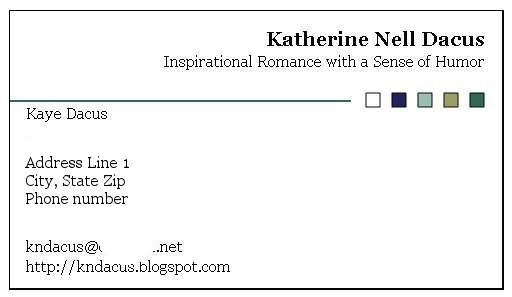
At this point, you can see that I hadn’t really been paying attention to how I’d been branding myself—as “Kaye Dacus” on my e-mail signatures, my interactions with all of the industry professionals (I was Vice President of ACFW by this time), and on my newly started blog—which I’d started earlier that year just so I’d have a web address to list. I had, however, come up with my initial tagline by this time: Inspirational Romance with a Sense of Humor. I ordered the standard box of 250, which is the quantity VP will do for “free.”
In 2007, I’d realized my error in thinking that using my full name would be a good idea, and had migrated the blog over here to WordPress and gotten a domain, so I ordered new cards before conference that year:
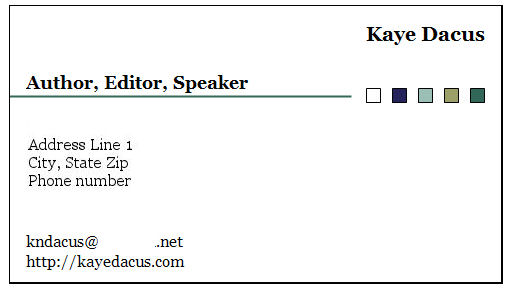
With this, obviously, I was trying to keep people from seeing me as pigeon-holed into only one career (author).
Then, before the 2008 conference, I needed new cards because my e-mail address had changed:
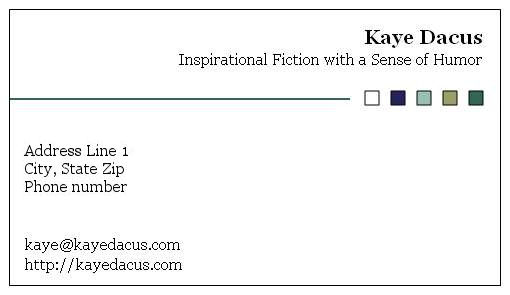
Three different iterations of the same card. The same boring, ho-hum, doesn’t really say anything about me or what I actually do, generic template. Cheap, yes. Utilitarian, yes. Adequate, yes.
For the past fourteen or so months since I’ve been published, I’ve slowly been figuring out what my “image” is as a writer. Did I want to be serious or light-hearted? Well, since my books are light-hearted, my peripherals needed to have a light-hearted touch to them, too. So all of my flyers and my blog started taking on a more light-hearted look.
But then there were my business cards.
When I went to Shreveport at the beginning of March to speak at the NoLA RWA chapter’s conference, I collected as many cards from the writers there as I could. What did the designs tell me about the writers? Which ones did I like? Which ones were too busy? Which ones didn’t give enough information/gave too much info? Like everything else in my life, before moving forward with a decision, I did my research. And my research told me it was time to update the look of my business cards—which meant actually paying for them. But I couldn’t spend too much, so it was still a matter of finding an existing design template I liked but that better conveyed my image.
First step: coming up with a new, more specific tagline.
You’ll notice that the original tagline changed slightly from Business Card #1 to Business Card #3—from Romance to Fiction (Inspirational Fiction with a Sense of Humor)—this was because I’d pitched (and had taken to pub board) a small-town fiction series proposal in the fall of 2007 that wasn’t romance, so I didn’t want to label myself a “romance” author if there was a possibility of selling a non-romance series. But, in essence, I took what was already a generic tagline and made it even more generic.
I knew I wanted my new tagline to incorporate two things I adore: Happily Ever Afters and alliteration—something my readers should be familiar with by now. So I started with Happily Ever Afters. Then, naturally, there was Humor. Two Hs. I needed a third (good things come in threes). It only took getting an e-mail from a reader to figure out what the third one should be: Hope. (She wrote that one reason she enjoyed reading my books so much is because they have a very hopeful worldview.) I’ve also said in many interviews that one of my main audiences is women 30+ who’re still single who want to read something that gives them hope that Mr. Right is out there somewhere (hopefully closer than we think). So there was my third H.
Now that I had my new tagline, it was time for new design. New colors. New fonts. I went through several different templates and did quite a bit of advanced editing and finally came up with my final design:

This time, I ordered 1,000 of them (only because they told me I could get 500 more for something like $4 after I placed the original order for 500).
I’d always sworn that I’d never get business cards with my photo on them. Then something happened to change my mind. Several authors I know here in Nashville use an independent publicist, whom I’ve met a few times at their book signings. I even sat next to him at lunch after the local RWA chapter meeting last month and carried on a conversation with him. I’d given him my business card, because I was interested in having him come speak at the Middle Tennessee Christian Writers group. Out of the blue (because I hadn’t had time to follow up that request with an e-mail), he e-mailed me a couple of weeks ago. So-and-so suggested he should contact me about possibly doing some work together. He didn’t remember who I was—wasn’t connecting my face with my name. And it hit me—if he’d had a business card with my picture on it, he’d have remembered who I was. Thus, the picture.
To whom do I give them? Anyone I want to give my e-mail address to (gave a couple of them to people at church yesterday morning), anyone I want to give my website address to, other authors and industry professionals, and I put them out on the table at book signings.
Now, who noticed the one design element stayed the same from the original template to this new one? And Jess, does that answer your questions?
Fun Friday–Favorite Movie Pirates
I have pirates on the brain. Probably because I have two crews of them that I’m dealing with in Ransome’s Quest. To that end, I’ve been recording a bunch of classic pirate-themed movies off of Turner Classic Movies as well as adding a bunch more to my Netflix queue. Now, I haven’t had a chance to watch all of them yet, obviously, but since they’re what I’m thinking about, that’s what you’re getting. So this list may change once I see several more, but, eh, I never claim that these lists are anything but fluid.
Here are five of my favorite movie pirates:
 5. Jamie Waring, The Black Swan—Hello! It’s Tyrone Power. Why wouldn’t he be on this list? Actually, Jamie-Boy is technically a former-pirate who is working with the newly dubbed governor of Jamaica, Sir Henry Morgan (yes, that Henry Morgan). Someone—who turns out to be the inconvenient fiancé of Jamie-Boy’s love interest, played by Maureen O’Hara—wants Morgan discredited and so gives information about the English fleet’s movements to those pirates who didn’t reform along with Morgan and Waring, so it looks like Morgan is aiding his old friends. Jamie is tasked with hunting down these former friends and finding the saboteur before it’s too late. The love story in this film is quite unbelievable in its quickness and intensity, but Jamie-Boy is one heckuva pirate!
4. Captain Hook, Peter Pan, Hook—Probably the first pirate we were all exposed to as children in Disney’s version of Peter Pan, Captain Hook is the gold standard to which we hold our pirate characters, isn’t he? The over-the-top wig and costume, the hook, the twirled mustache—he’s perfect.
3. Captain Shakespeare, Stardust—I don’t think I’ve laughed as hard as I did at the character of Captain Shakespeare the first time I saw Stardust in a very, very long time. First, it’s Robert De Niro—tough-guy, man’s-man, right? Then, before he ever comes on screen, we’re told several times of his “fearsome” reputation. I mean, he’s a pirate. Right. Good thing he’s got a good crew!
 2. Captain Peter Blood, Captain Blood—After being convicted for “comforting the enemy” (plying his trade as a doctor, in his words) during the tumultuous Monmouth Rebellion in 1685 (when the Duke of Monmouth, the illegitimate son of Charles II tried to seize power from his uncle, James II), Doctor Peter Blood ended up transported to Jamaica, where he was sold as a slave—in the book to Colonel Bishop, in the movie he’s purchased by Miss Arabella Bishop, the Colonel’s daughter, who is instantly attracted to how he stands up for himself. During a Spanish attack on Port Royal, Peter and his fellow slaves escape, commandeer the Spanish ship, and set themselves up as pirates. Peter, of course, is a somewhat moral pirate (after all, he’s our hero!), so when he discovers, a few years later, that another pirate has kidnapped Miss Arabella from her ship on a return voyage from England, Peter tries to negotiate her away from him. But the other pirate won’t have it and they fight a swashbuckling duel—which, of course, Peter wins.
I learned, in the intro to the broadcast of Captain Blood last week, that this was Errol Flynn’s first major movie role (and he was very much a bottom-of-the-barrel choice). He was only twenty-five years old. Olivia deHavilland, in the role of Arabella Bishop, was only nineteen. This was the first of eight movies they made together—and it’s the epitome of the classic pirate movie.
1. Captain Jack Sparrow, Pirates of the Caribbean. ’Nuff said.
Cover Models
 A few years ago, I had an idea for a story to which I gave the working title of Cover Model. The idea was a story in which the romantic hero was an artist who put himself through art school by painting covers for steamy romance novels. He was so broke that he couldn’t afford to pay actual models, so he used himself—slightly disguised—in the mock covers for his portfolio. And this character was inspired by the chef I thought should have won the second season of Top Chef, Sam Talbot.
The heroine—the romance novelist—liked these sample covers so much (as in, she was “inspired” by the guy in the images), she asked her publisher to have not just this artist but that particular model on the front cover of all of her novels.
Many years later, both have made changes in their lives—he’s teaching at a hoity-toity art college, she’s not writing the steamy stuff anymore (door-closed stuff only now)—and neither really want others to know what they used to do (they both used pseudonyms in the past). Thus our story begins.
Fast forward several years to 2009. I was in the process of completing A Case for Love, which meant I was about to complete my first three-book contract for Barbour. And they asked for a proposal for another series. I’d already started thinking about some of the story ideas I had somewhat worked up and how I could tie three of them together.
For the first book, I pulled what was actually my third complete manuscript, Love Remains, though I changed so much about it that I ended up using only one scene from the original manuscript—and still had to highly edit that!
When I sent the worksheet for the cover in, here are the physical descriptions and reference images I sent for the hero and heroine:
A. Main Character #1: Bobby Patterson
Age— 34
Occupation— Tennessee Criminal Investigations Unit agent (former Army officer)
Hair Color—Brown
Eye Color—Hazel
Hair Style—Cropped (almost military style)
Clothing Style—Suits for work; button-down shirts, jeans for more casual looks
Overall Description (could include height, build, personal style, countenance, etc.)— 6’3” tall, works out regularly—broad through the shoulders, slim through the waist. His most distinctive physical feature is his very square and pronounced jaw.
B. Main Character #2: Zarah Mitchell
Age— 32
Occupation—Historical Archivist/former archaeologist
Hair Color—Brown
Eye Color—Blue
Hair Style—shoulder-length/curly
Clothing Style—professional
Overall Description (could include height, build, personal style, countenance, etc.)—5’7”, size 14/16, has a pronounced nose and full lips.
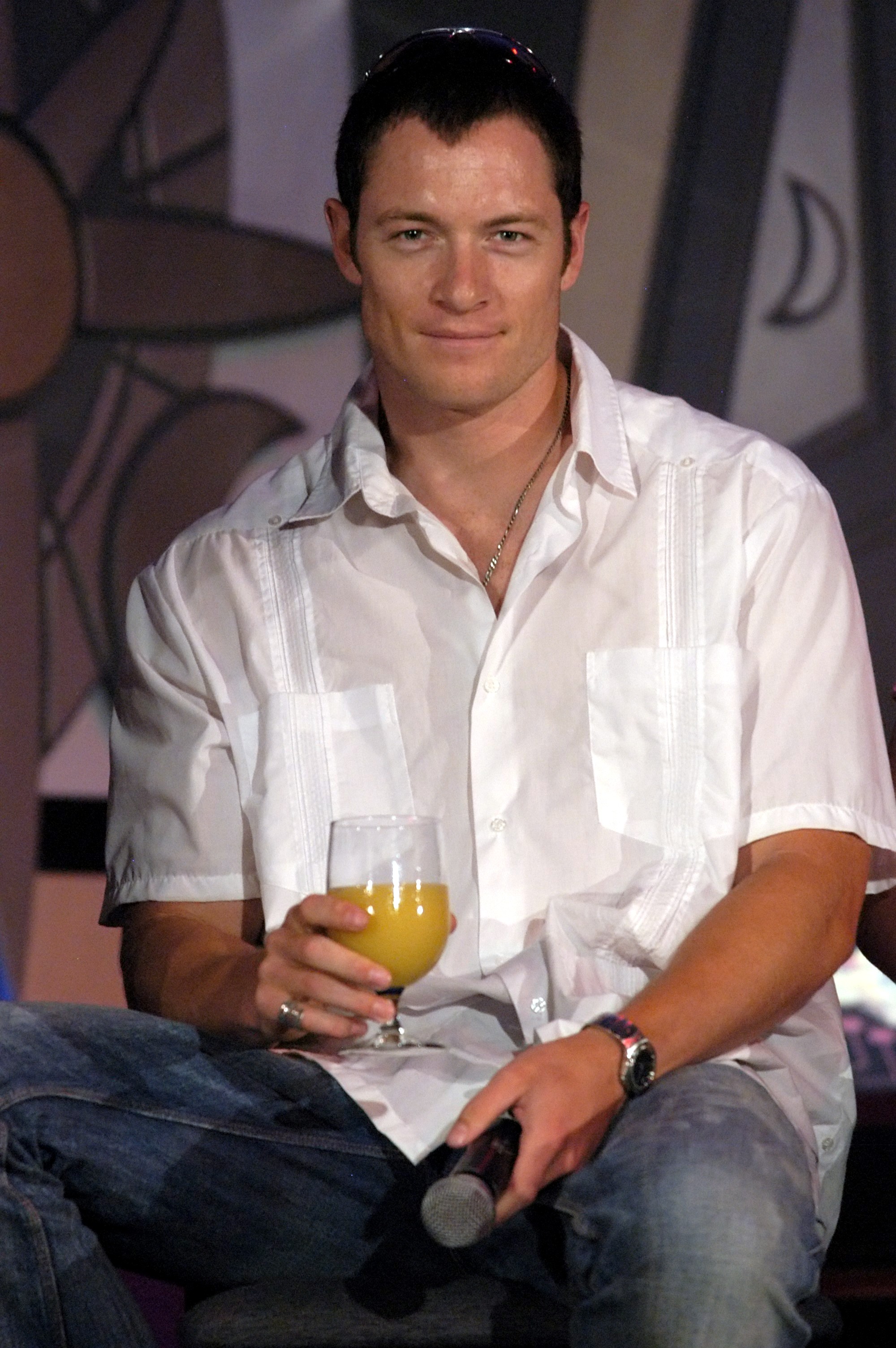
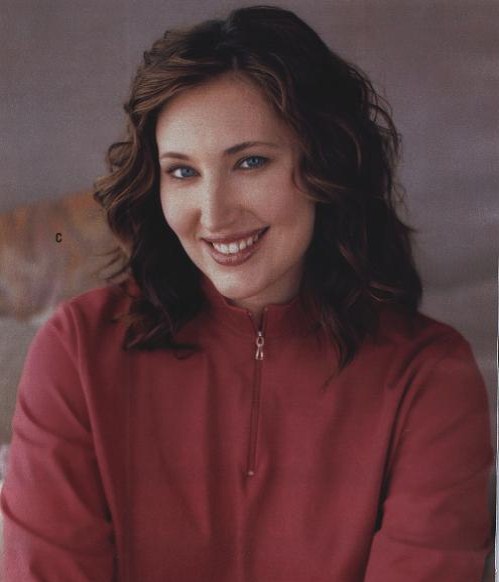
Now, because it had been mentioned to me that the covers for the new series would probably be similar to the covers for the Brides of Bonneterre series, I focused more on Bobby’s description than Zarah’s.
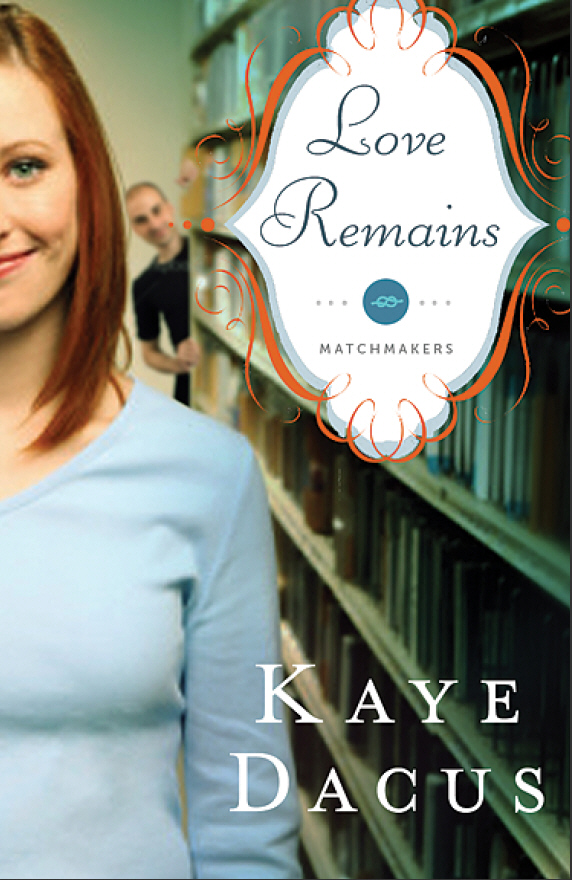 Just before Christmas (or just after? don’t remember exactly, but it’s while I was in Baton Rouge the week before and after), I received this “rough” cover design with a request for my feedback on it. (And believe me, I felt important when I saw that request!)
My first thought was, Wow! That’s a book I’d pick up off the shelf to see what it’s about! My second thought was, Those aren’t my characters.
Since this was the first time I’d been asked for feedback, I took a few days to respond. I liked the design of the cover, but the characters didn’t look anything like how I’d described them in the story. So I started out with all the positives, what I loved about the design, colors, etc. Then I reattached the reference images and reiterated the written descriptions of the characters.
Several weeks and a few more changes later, and this is the working cover for Love Remains (with, I believe, a few more little design changes still being made):
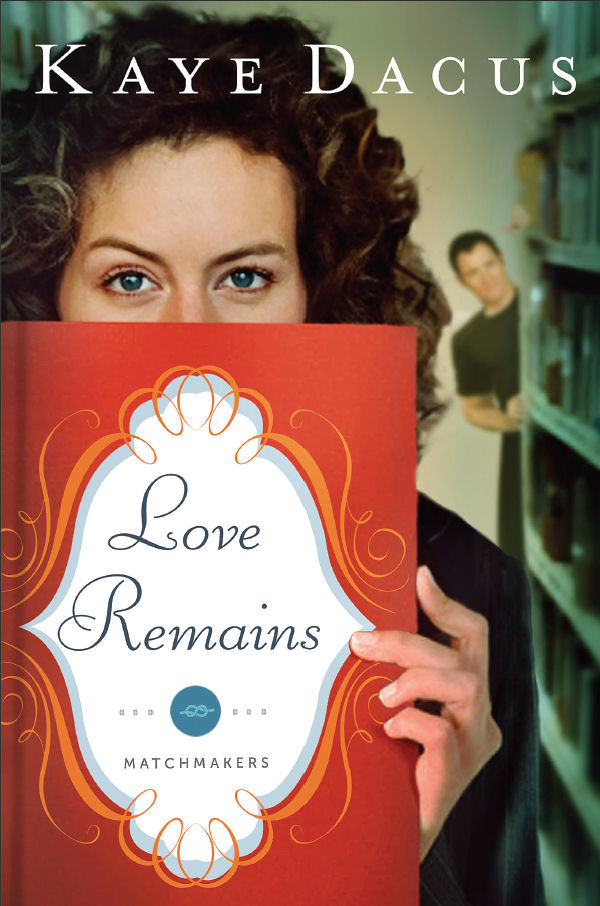
One of the things that was stressed to me during this process was that they wanted to use stock images for the characters instead of having to do a photo shoot. So now that I knew in what direction the covers were going, I jumped onto my favorite of the stock-image websites, Jupiter Images (now Getty Images), and I found images that, while not identical to the actresses/models I’d been using as my Real World Templates, I liked. And I was still in the process of writing Love Remains, so I was able to adjust the descriptions of them in that book.
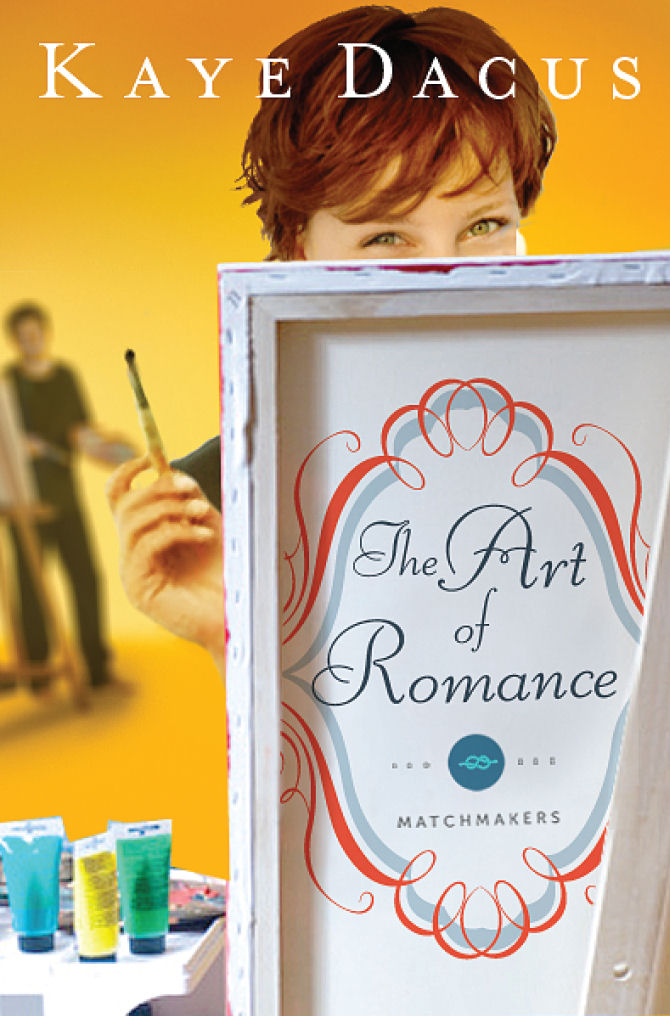
So, today, when I received an e-mail with an attachment of the “sneak-peek” of the cover of The Art of Romance (the story that I’d given the working title of Cover Model), I was thrilled to discover that they’d used one of the images of the model I’d found for Caylor on the stock-photo site!
Here’s the image from Jupiter Images:

And here’s an image I sent them as an example of what they could do for the hero—since I figured he’d be blurred-out in the background (since the guy in this picture doesn’t really look much like Dylan), as on the first cover:

And here’s the cover design they’ve come up with:
I HATE Waiting
“Someday, my prince will come . . .”
“Have patience, have patience, don’t be in such a hurry . . .”
“Good things come to those who wait . . .”
“How much of human life is lost in waiting.” (Ralph Waldo Emerson)
I’ve said it before and I’ll say it again: I hate waiting. Apparently when I was on the assembly line, they skipped me past the station where they install patience (and mercy and hospitality and optimism—which I believe are all tied in with each other), because I have absolutely no patience whatsoever!
 This is when it really sucks to be a freelancer and depend on irregularly timed payments so that I can pay bills. Every day for the past two weeks, I’ve listened for the mail truck and then gone rushing out to my mailbox hoping to find an envelope containing a check from one of the publishing houses I work for. And every day for the past two weeks, there’s been NO CHECK! Which means I’ve got bills that were due at the beginning of the month that are now past due because I don’t want to have to dip into my (dwindling) savings account to pay monthly bills . . . again.
A lot of this is a control issue for me. I can control when I get my work finished and turned in. But I can’t control how long it takes the various publishers for which I work to get the invoice sent over to whoever cuts the check, nor how long it takes that person to then cut and mail me the check.
A lot of this, though, also has to do with my personality that gives me a black-and-white, if-then outlook on life. If I get my freelance projects turned in by deadline, then I should be able to expect a check by a certain date, based on when I’ve gotten paid before—not based on when they decide to get around to paying me, right? (And I do have to say, one of the houses I work for is great about this. I know they cut checks on Fridays, so as long as I get my project turned in by Thursday evening/Friday morning, I can expect a check by the middle to end of the next week.)
So what lessons can I learn from this? Well, I’ve come up with two:
1. Stop worrying, fretting, stressing (whatever you want to term it) over things that are out of my control.
2. Watch expenditures more closely and budget better.
What has waiting taught you in the past (or now)?
Perspective (or, Don’t Tell Me a Closet’s Too Small)
Doesn’t matter which writing conference, seminar, or workshop you go to. It’s almost guaranteed whoever’s teaching is, someway or another, going to mention the idea of “showing” not “telling” in your writing. It’s one of the topics I mention most when trying to get most writing concepts across—especially when I’m judging contest entries by unpublished writers.
One of the areas of writing which is more prone to telling rather than showing is when it comes to setting details. (I’ve already discussed this when it comes to describing characters here and here.)
In a post in the Stir Up Your Setting series, I mentioned that, just as having a character stand in front of a mirror and do a top to bottom description of her physical appearance is a huge no-no, having a character walk into a set and “case the joint” is a no-no. It’s important to weave details of the setting in through the character’s actions and the flow of the scene, not just give it as a telling info dump at the beginning of the scene and figure that will suffice for “setting.”
 This point was brought vividly home to me yesterday as I sat at the computer working on some busy-work-type stuff (yes, even those of us who are self-employed have the occasional busy work) with HGTV on in the background looping episodes of House Hunters. A young couple moving to Denver were looking for a house with at least 2,000 square feet, three bedrooms, two bathrooms, and plenty of storage. First house they went to was relatively new, which meant the kind of house with a huge master bedroom, spa-like master bathroom, and a walk-in closet.
When I first moved to Nashville, I lived in a one-bedroom apartment that had a very large master bedroom as well as a huge walk-in closet—large enough that what I considered to be a large quantity of clothes didn’t even fill the rack on one side of it, and that was with my chest of drawers in there, along with everything else I owned that needed to be stored in a closet. After a year of discovering that I hated living in an apartment complex, I moved into a duplex in a residential neighborhood—a 1940s GI-Bill cracker-box house that hadn’t been overly large before it had been split down the middle into two dwellings. I was fortunate to have good attic space there—with a boarded floor—for storage, which was good, because the closets weren’t overly large. Then, in 2004, I moved a block away into a house—a stand-alone, share-no-walls-with-anyone house. Which meant more storage space because it was bigger, right?
Wrong. In this house, even though I have a hall closet in addition to a linen closet in the bathroom, I have less storage space because I have small closets and an unusable attic. Over the past five and a half years, I’ve considerably pared down the amount of stuff I own—and even still, I have old bookcases in my bedroom I use for storing clothes and sheets and purses and other items I have no room for in my tiny closets.
So when this couple on HGTV stepped into what looked to be about a 6′ x 8′ walk-in closet, my immediate thought was, I wish I had a huge closet like that! The first words out of the female house hunter’s mouth? “Wow, this is a small closet.”
Which, of course, made me start thinking about writing (as pretty much everything does) and why specificity is important—because without specific details, we’re leaving a lot up to the reader’s perspective. And if their perspective is different than ours, they may not truly “get” what we’re writing about.
I could write something like this:
- Jennie stared at the interior of the closet, aghast. How could she be expected to live with so little storage space?
What does that tell us about the closet? About Jennie?
How about this:
- Jennie stepped into the closet, aghast. Though it extended the full length of the bedroom, the walk-in was so narrow, she could have lain in the floor and touched the side walls with tiptoes and fingertips. How could she be expected to live with so little storage space?
Or:

- Jennie opened the closet door. “Why are all the clothes hanging diagonally?”
. . . . .“Uh . . .” The real estate agent reached around her and wiggled a few items. “Looks like the coat hangers are deeper than the closet is from front-to-back.”
. . . . .She crouched low and reached her arm into the dark corner beyond the open door—and jammed her fingers when they reached the side wall in short order. Not even wide enough for her to straighten her elbow. How could she be expected to live with so little storage space?
See how using specific details tells us something about Jennie without my actually telling you about Jennie? And how it tells something about the size/age of a house without telling it’s a newer home or an older home, one that likely has quite a bit of square footage versus one that doesn’t?
Of course, as with everything in writing, there’s a balance needed. Sometimes, you do just need a quick description if it really isn’t that important to the story/character.
- Jennie stuck her head into the closet in the master bedroom. Though smaller than the walk-in she had in the apartment, it would be adequate. With only two days left to figure out where to live, she couldn’t be overly choosy.
How much detail do you like to see in books? Are there times when you wish the author would give you more or less description/specifics?

 KayeDacus.com