Fun Friday—A RANSOME’S CROSSING Teaser

Haven’t decided yet if you want to read Ransome’s Crossing? Not sure you want to commit yourself to being an influencer without having read any of the book to know if you’re going to like it or not?
With an exclusive debut to you, my blog readers, here is the prologue of Ransome’s Crossing:
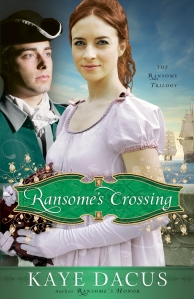 Ransome’s Crossing
Book Two of the Ransome Trilogy
ISBN-13: 978-0-7369-2754-3
Harvest House Publishers, Inc.
© 2010 by Kaye Dacus
Prologue
Gateacre, England
April 1803
A scream of agony bubbled up in Charlotte’s chest, but she stopped it before it could escape.
. . . . . “The shoulder is reset.” The physician poked and prodded more, sending bolts of pain and waves of nausea through her body. But she managed to hold all at bay—except the two tears that escaped the corners of her eyes and ran down into her hair.
. . . . . “So long as there is no injury to the spine, the child should recover full use of the arm. But it should be bound for two weeks, and she should be made to rest as much as possible.”
. . . . . “Thank you.” Her brother William’s voice sounded harsh and gruff. But he’d been different since returning from Portsmouth six months ago—he no longer laughed, told stories, or drew pictures of fascinating sea-creatures for her.
. . . . . She kept her undamaged arm over her eyes as the doctor bound her left arm in a sling. Some of the pain was gone. But she couldn’t bring herself to look at her oldest brother.
. . . . . William thanked the doctor again. “That will be all.”
. . . . . She heard the clink of coins then retreating footsteps. She risked a peek under her arm. William stood beside her bed, arms crossed.
. . . . . “Tell me exactly how you came to fall off a rotted rope ladder ten feet from the ground.” Though soft, his voice carried such a tone of command that Charlotte cringed.
. . . . . “Philip told me he did not think I could climb it. I told him I could—that I’ve been climbing it every day to practice for when I join the navy.”
. . . . . William turned his back on her and stalked to the window. After a long pause, he returned to tower over her bedside. “I shall speak with Philip later. But I cannot believe the unladylike manner in which you have behaved. You know better than anyone that girls cannot join the Royal Navy.”
. . . . . She struggled to sit up. “But, William, I know everything—the flags, the ropes, the bells, the ships’ ratings. I’ve been practicing climbing the rope ladder to Philip and James’s old tree fort so I can be ready to climb the shrouds to the mast tops.”
. . . . . An odd expression flickered across her brother’s countenance, and for a moment she hoped he might relent.
. . . . . “It matters not what you know or what you can do. Females are not allowed to join the navy.” He sighed and rubbed his hand over his eyes. “Charlotte, you are almost seven years old. It is past time for you to stop pretending you are a boy and start acting like a young lady. You will not be climbing shrouds to the top of any mast on any ship. You will stay here in Gateacre, attend to your schooling, and grow up to be a proper lady. Do you understand me?”
. . . . . He never raised his voice, but her ears pounded as if he’d yelled the words at her. She clamped her teeth down on her bottom lip to keep it from trembling. How could he be such a mean . . . ogre? She wanted nothing more than to follow in her father’s and brothers’ footsteps.
. . . . . “I’m waiting for an answer, Charlotte.”
. . . . . “Yes. I understand.”
. . . . . “Good.” He nodded curtly. “Now, you are to rest until dinner.” He left her room, shutting the door behind him.
. . . . . Charlotte stuck her tongue out at the closed door and lay back down. She’d show them—all of them—that if she wanted to join the navy, no one would stop her.
~~~~~~~~~~~~~~~~~~~~~~~~~~~~~~~~~~
Coming June 1, 2010. Available for pre-order at:
 . . .
. . . . . .
. . . . . .
. . .
 . . .
. . . . . .
. . .
Favorite Novel Openings
I’m teaching a course online for ACFW this month on Hooking the Reader. We’ve started by talking about opening lines/hooks.
Here are the opening lines from my books:
Nothing like running late to make a wonderful first impression.
—Stand-In Groom
“Happy New Year!”
. . . .Her thirty-fourth New Year and still no kiss at the stroke of midnight . . . or any other day or time.
—Menu for Romance
“You did what?”
. . . .Forbes Guidry sank into the tall-backed leather chair, extremities numb, and stared at the couple sitting across the desk from him.
—A Case for Love
William Ransome pulled the collar of his oilskin higher, trying to stop the rain from dribbling down the back of his neck.
—Ransome’s Honor
A scream of agony bubbled up in Charlotte’s chest, but she stopped it before it could escape.
–Prologue, Ransome’s Crossing
No moon. Wispy clouds hid most of the stars. He could not have asked for a more perfect night. Before him, the house glowed like a lantern atop the hill. Behind him, his men waited for his command.
–Prologue, Ransome’s Quest
The sharks were circling.
. . . .Bobby Patterson had been at the party a total of three minutes. But half that time was all it took for the smell of fresh blood to circulate amongst the single women.
—Love Remains
I don’t usually like my first lines/opening chapters when I first write them. I agonize over them. I tweak them. I rewrite several versions. I tweak them some more. So it surprised me when the opening lines of Love Remains came to me as clearly as they did and that I loved them as much as I did.
Now, here are some of my favorite opening lines from classic literature:
All children, except one, grow up.
—Peter Pan by J. M. Barrie
It is a truth universally acknowledged, that a single man in possession of a good fortune, must be in want of a wife.
—Pride and Prejudice by Jane Austen
It was a bright cold day in April, and the clocks were striking thirteen.
—1984 by George Orwell
As Gregor Samsa awoke one morning from uneasy dreams, he found himself transformed into a giant insect.
—Metamorphosis by Franz Kafka
Once upon a time there was a Martian named Valentine Michael Smith.
—Stranger in a Strange Land by Robert Heinlein
It was a dark and stormy night.
—A Wrinkle in Time by Madeleine L’Engle
Marley was dead, to begin with. There is no doubt whatever about that.
—A Christmas Carol by Charles Dickens
Call me Ishmael.
—Moby Dick by Herman Melville
“Christmas won’t be Christmas without any presents.”
—Little Women by Louisa May Alcott
It was the best of times, it was the worst of times, it was the age of wisdom, it was the age of foolishness, it was the epoch of belief, it was the epoch of incredulity, it was the season of Light, it was the season of Darkness, it was the spring of hope, it was the winter of despair.
—A Tale of Two Cities by Charles Dickens
Last night I dreamt I went to Manderley again.
—Rebecca by Daphne duMaurier
This is the story of what a Woman’s patience can endure, and what a Man’s resolution can achieve.
—The Woman in White by Wilkie Collins
One thing was certain, that the WHITE kitten had had nothing to do with it:—it was the black kitten’s fault entirely.
—Through the Looking Glass by Lewis Carroll
When Mr. Hiram B. Otis, the American Minister, bought Canterville Chase, every one told him he was doing a very foolish thing, as there was no doubt at all that the place was haunted.
—The Canterville Ghost by Oscar Wilde
Mr. and Mrs. Dursley, of number four, Privet Drive, were proud to say that they were perfectly normal, thank you very much.
—Harry Potter and the Sorcerer’s Stone by J.K. Rowling
What are some of your favorite opening lines of novels?
Morning People, Night People, and Dreams
 There are hundreds of studies that have been done on people’s sleep patterns—cycles and REM and Deep Sleep, and so on—but I didn’t bother to look any of those up. So there may, or may not, be research out there that will back up what I’m about to write today. I really don’t care. These are my own personal observations and conclusions based on having read some of those studies over the years as well as taking a semester of Psychology in college twenty years ago.
It won’t come as a shock to anyone here when I say I’m a night person. My “natural” sleep pattern is 2 a.m. to between 10 and 11 a.m. I’m most creative between 10 p.m. and 2 a.m.—that’s when I can get quite a bit of writing done in a shorter amount of time than it would take any other time of the day. Could be because there are fewer distractions, could be because I’ve tired myself out enough with everything else I’ve done during the day that the left-side of my brain is too exhausted to function anymore, which means the right-side is free to play. Could be because that’s a pattern I’ve developed over twenty or more years of only being able to write at night due to work and school.
Several people I know get up at ungodly hours of the morning to write—3 and 4 a.m. in some cases—and find that’s when they’re most creative or can get the most accomplished. There are nights when I may still be up at that time, but getting up at that time? Fugettaboutit. Not going to happen.
(Hold on, got to go get more coffee.
Ahh . . . that’s better.)
What was I saying? Oh, yeah, sleep.
I wouldn’t call it even an informal survey, but over years and years of talking to people who self-identify as either night or morning people, I’ve drawn a couple of conclusions about the difference in our sleep cycles. And they are:
 1. Night People have our deepest sleep toward the end of our sleep cycles—in other words, in the morning instead of right after we go to bed. It’s actually hard work for us to (a) go to bed and (b) fall asleep because our minds are still whirring with everything that’s happened during the day; wondering what’s going to happen next week on our favorite show we watched two or three hours ago; creative ideas—for writing, crafts, cleaning the house, getting organized, etc.; everything we need to do tomorrow; everything we should have done today but didn’t; etc. etc. Some of us have tricks we use to try to make ourselves tired or clear our minds—playing game after game of solitaire on the computer, taking a shower or bath (only stimulates me), reading, listening to an audiobook (this is what I’ve been doing the last few months), listening to soft music (I always have music playing at night—instrumental, from movie soundtracks to classical to light jazz), and so on. And even on those nights when we’re in a sleep deficit from getting less than five or six hours the night before, we still find ourselves staying up “past bedtime,” even though we’re completely knackered. And once we do fall asleep, sometimes it’s hard to stay asleep. Any little noise, anything unusual will pull us right out of that very light sleep we experience first in our sleep cycles. (Which is why it’s so hard for me to sleep well when I’m away from home and why I always travel with Excedrin PM.) But once we do good-and-truly fall asleep, we eventually get to the point at which we experience very deep sleep—usually right about the time that the alarm clock is meant to go off. We’re also usually experiencing our dreams at this point in our cycle—which is why it seems more night people can remember their dreams, vividly. It’s also why we can sleep through our alarm clocks going off—because many times, that sound becomes incorporated into our dreams, or we’re just sleeping too deeply to hear it. It’s also why we’re grumpier in the mornings and it takes us longer to get going. Because we were violently ripped out of our deepest sleep cycles—the cycles which are supposed to be the most refreshing, the most restorative, cycles. And, for those of us who are creative types, if we’re dreaming when we’re yanked out of that deep sleep, we not only don’t want to get up because we’re still tired, but we don’t want to get up because we wanted to see how that dream scenario was going to play out. I can’t tell you how many story idea files I have on the computer based off of dreams like that.
 2. Morning People, on the other hand, experience their deepest sleep cycles earlier in the night, making it easier for them to fall asleep—as they’re usually halfway there before they go to bed anyway—and stay asleep during the first half of the night. Their dream cycles usually come during that early, deep sleep, as well. As the night progresses, their sleep cycles get shallower and shallower, making it easy for them to wake up feeling refreshed and renewed—because they’re sleeping very lightly by the time the alarm clock goes off. In other words, they’ve already had their deep, refreshing, restoring sleep several hours ago and the rest is just gravy. And they usually don’t remember their dreams because, again, those cycles happen early in the night instead of right before they wake up.
Again, this isn’t based off of any kind of scientific evidence, just from my own personal experience as a night person and conversations with others. Is that saying that night people have more vivid imaginations because we can actually remember our dreams? No, not at all. I’m just saying that having a vivid imagination makes being a night person that much harder—because it’s really active before I go to bed and then I don’t want to wake up some mornings because I’m really enjoying my dreams.
Which is why it’s 2 p.m. and I’m just now finishing this blog post.
So what are you? A night person or a morning person (or an afternoon person)? Do you remember your dreams?
Fun Friday–A Walk in My Neighborhood
Spring is bursting out all over . . . all over Nashville in general and my neighborhood in specific. So yesterday, I took a walk down the street and took some pictures.
 Forsythia
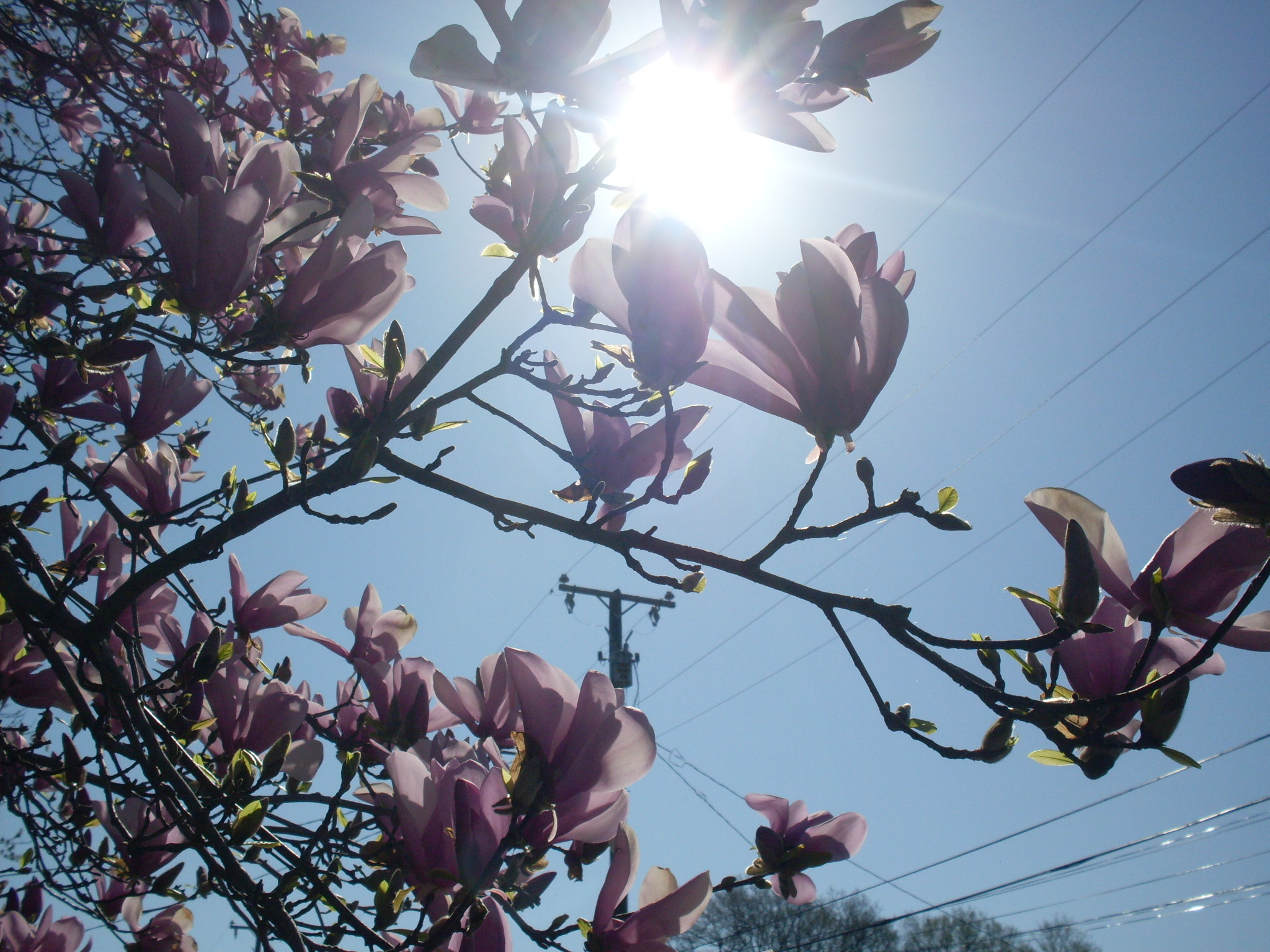 Saucer Magnolia
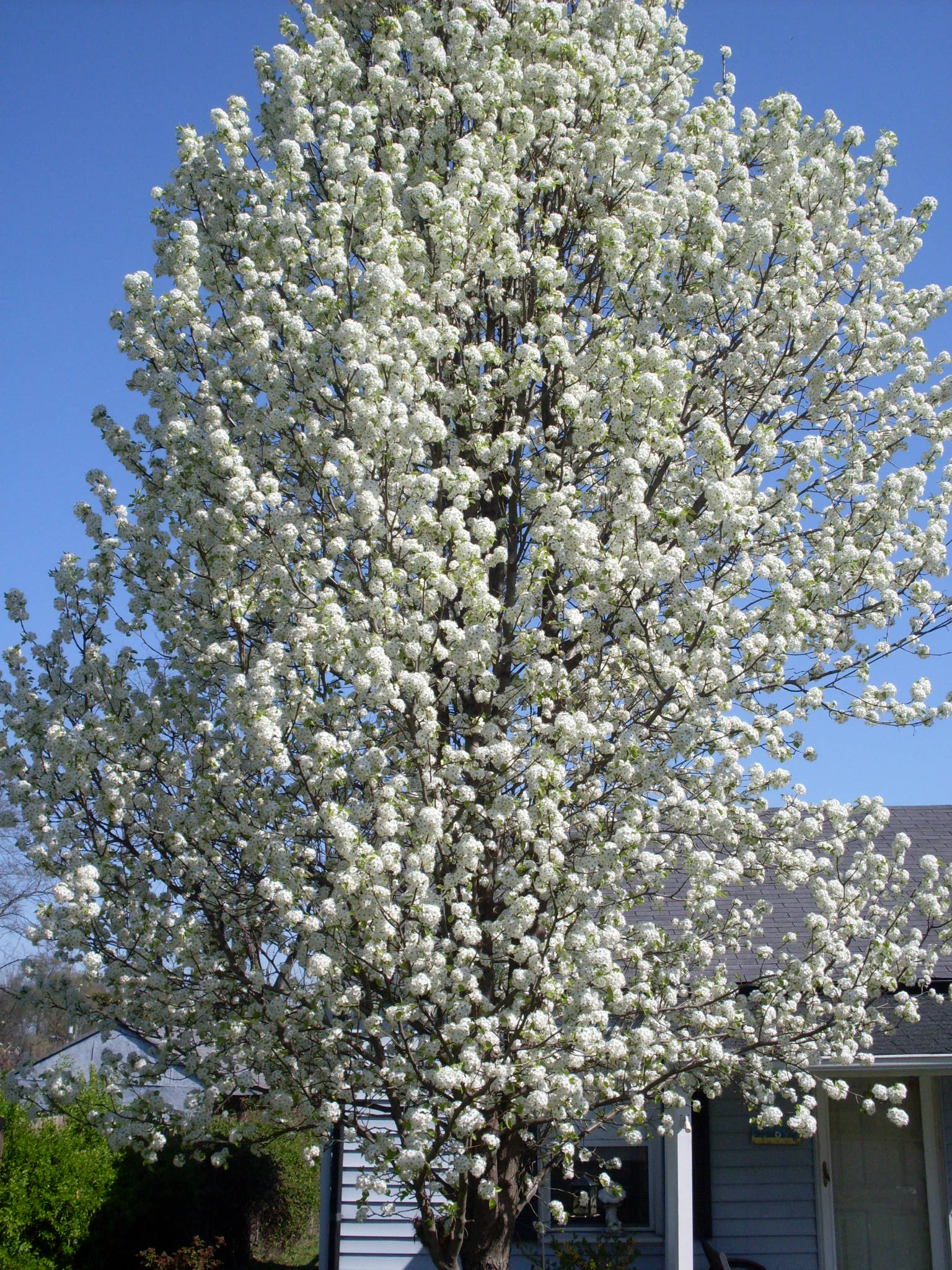 Bradford Pear—beautiful and prolific and something many Nashvillians are severely allergic to
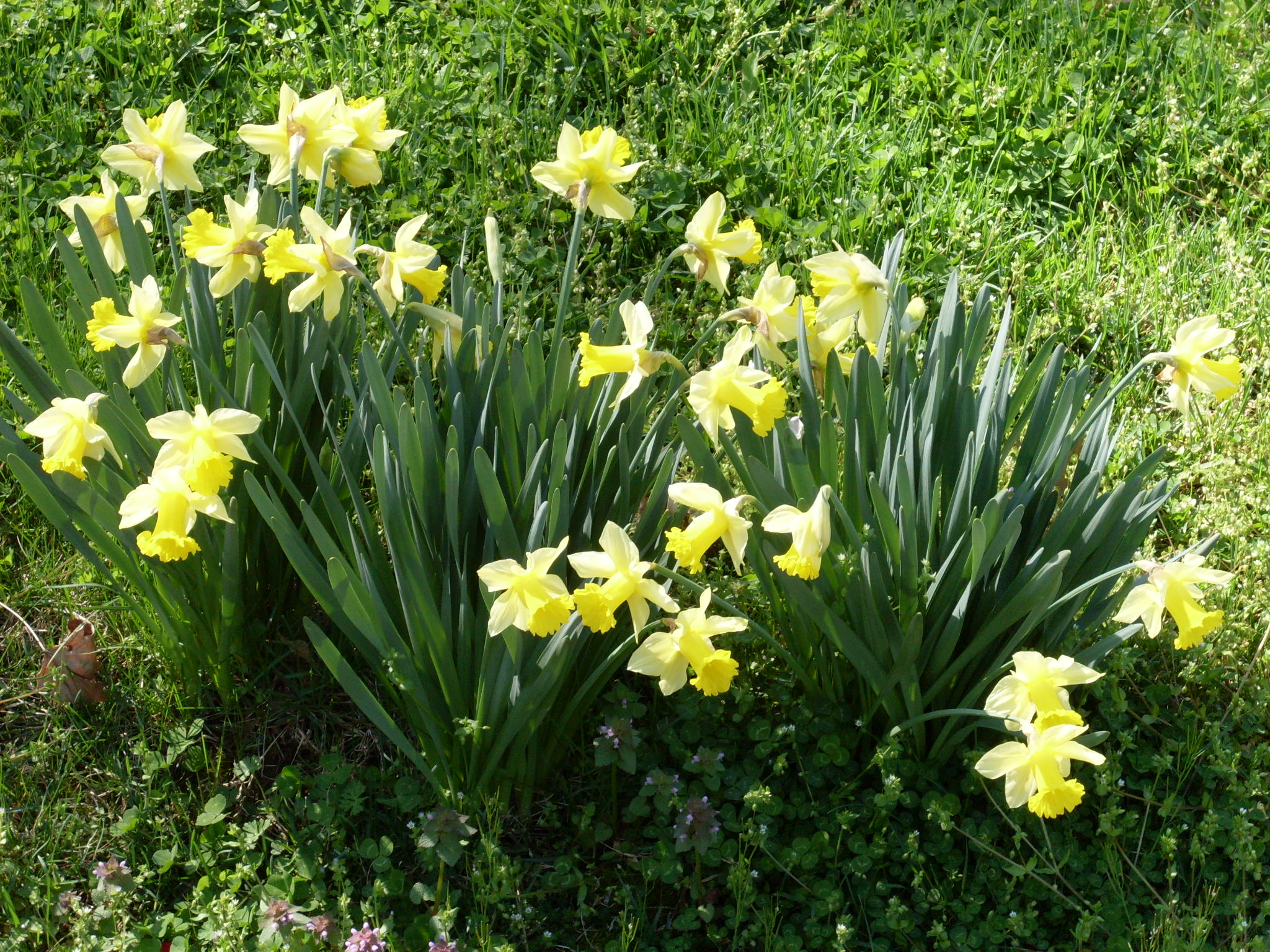 It’s unusual that daffodils are just starting to bloom at the end of March/beginning of April. They’re usually starting to fade by now—but that’s how unusually cold and long our winter was.
 Hyacinths
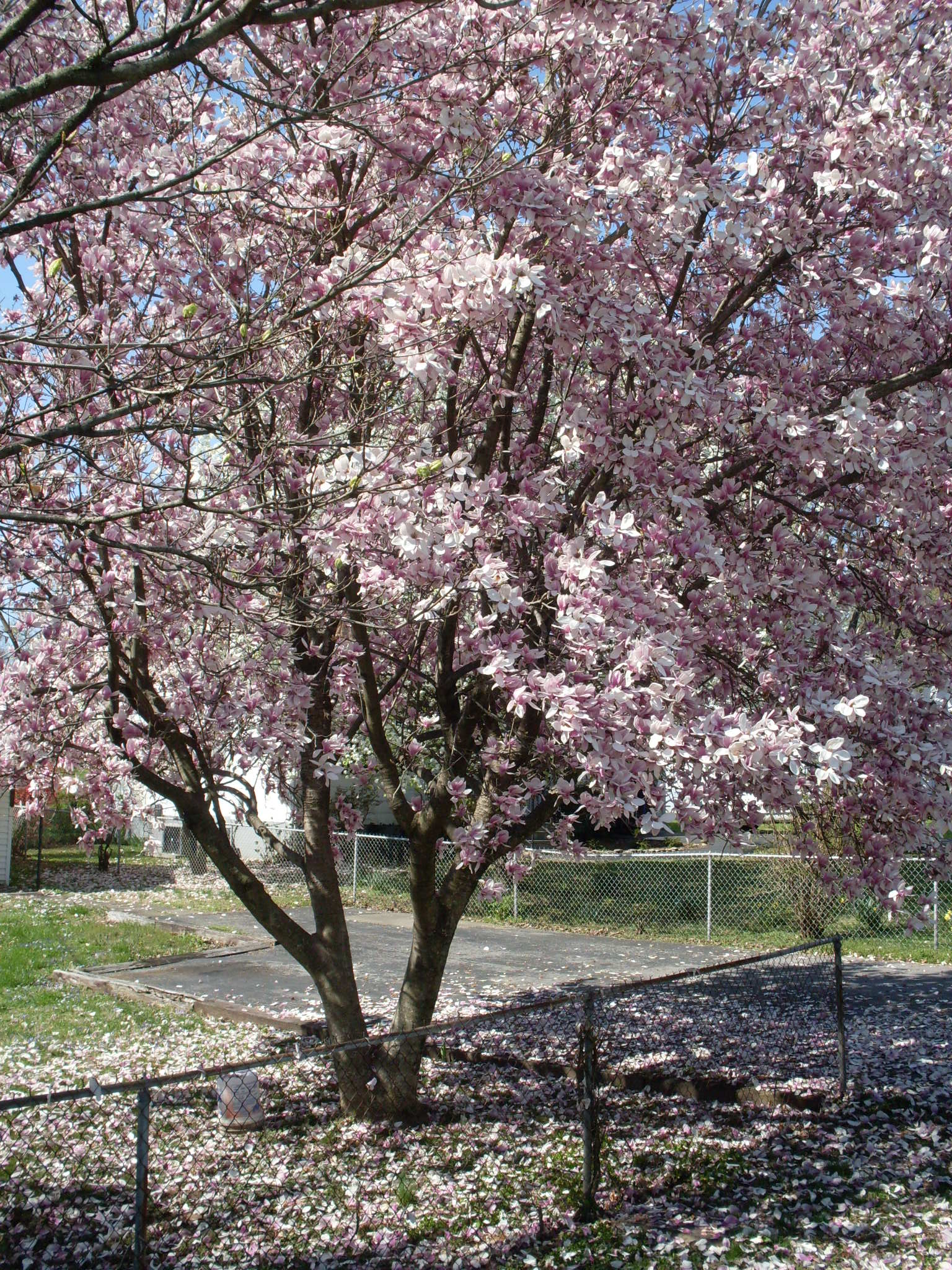 I love this large Saucer Magnolia tree just down the street. It’s enormous and gorgeous.
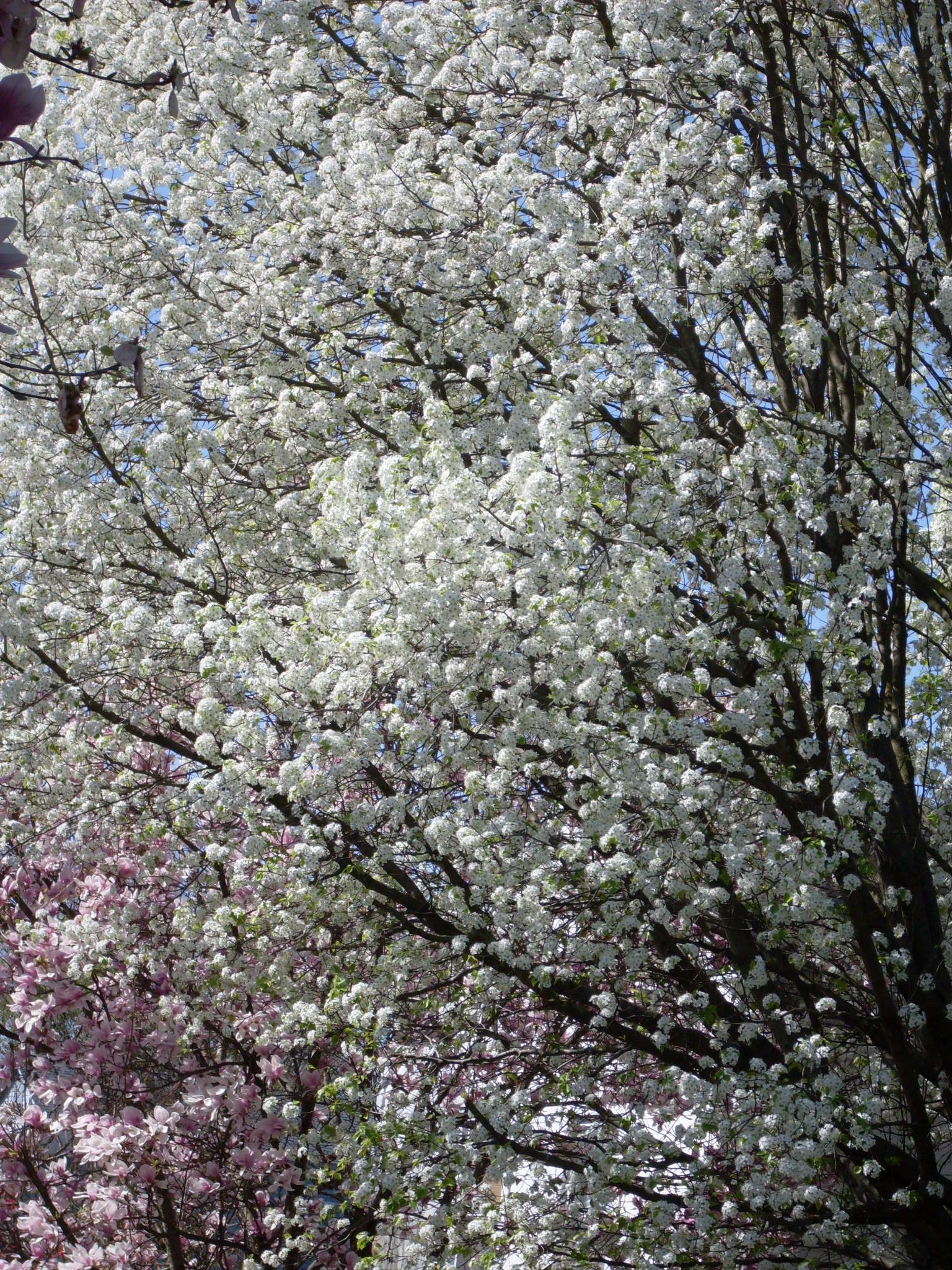 And next door to that Saucer Magnolia is this gorgeous Bradford Pear
 I love the big, old trees in this neighborhood, including the Red Buds.
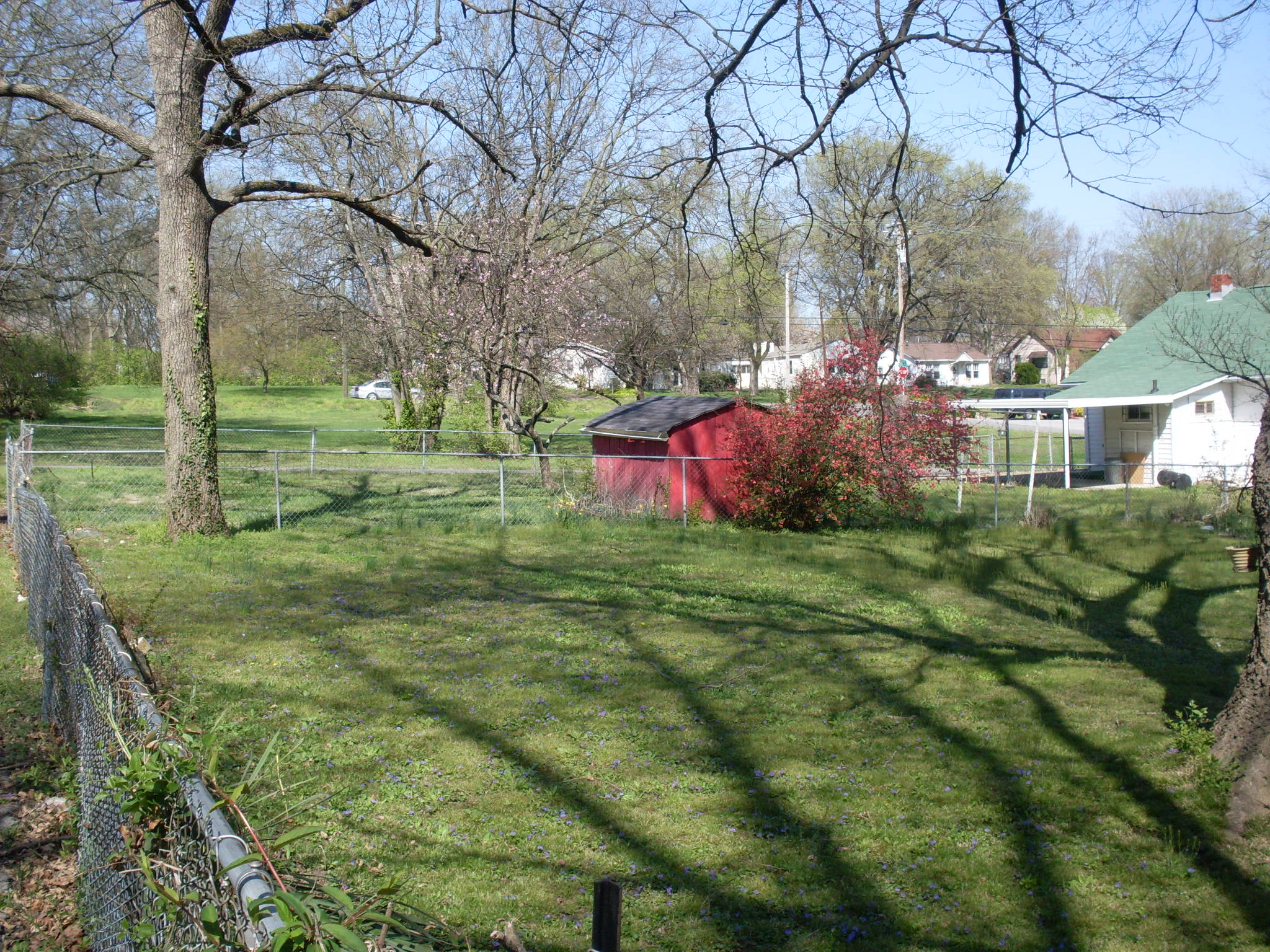 I love the little red storage shed with the Flowering Quince bush in front of it and the Pink Crabapple Tree just beyond it—down the alley from the back of my house.
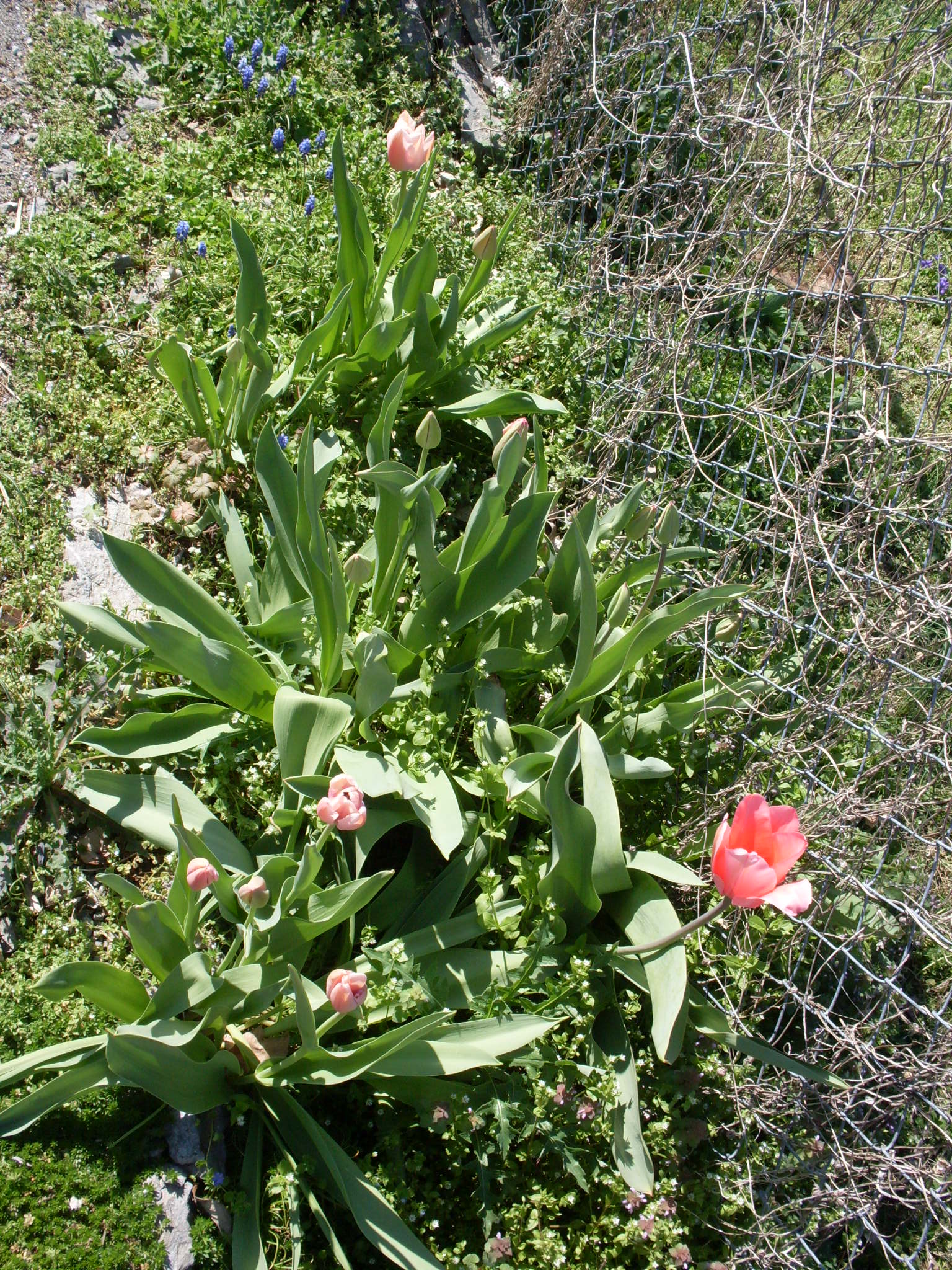 My next-door neighbors’ tulips are getting a late start this year, too.
 It’s very unusual that the Dogwood Trees aren’t more fully bloomed by now, as well.
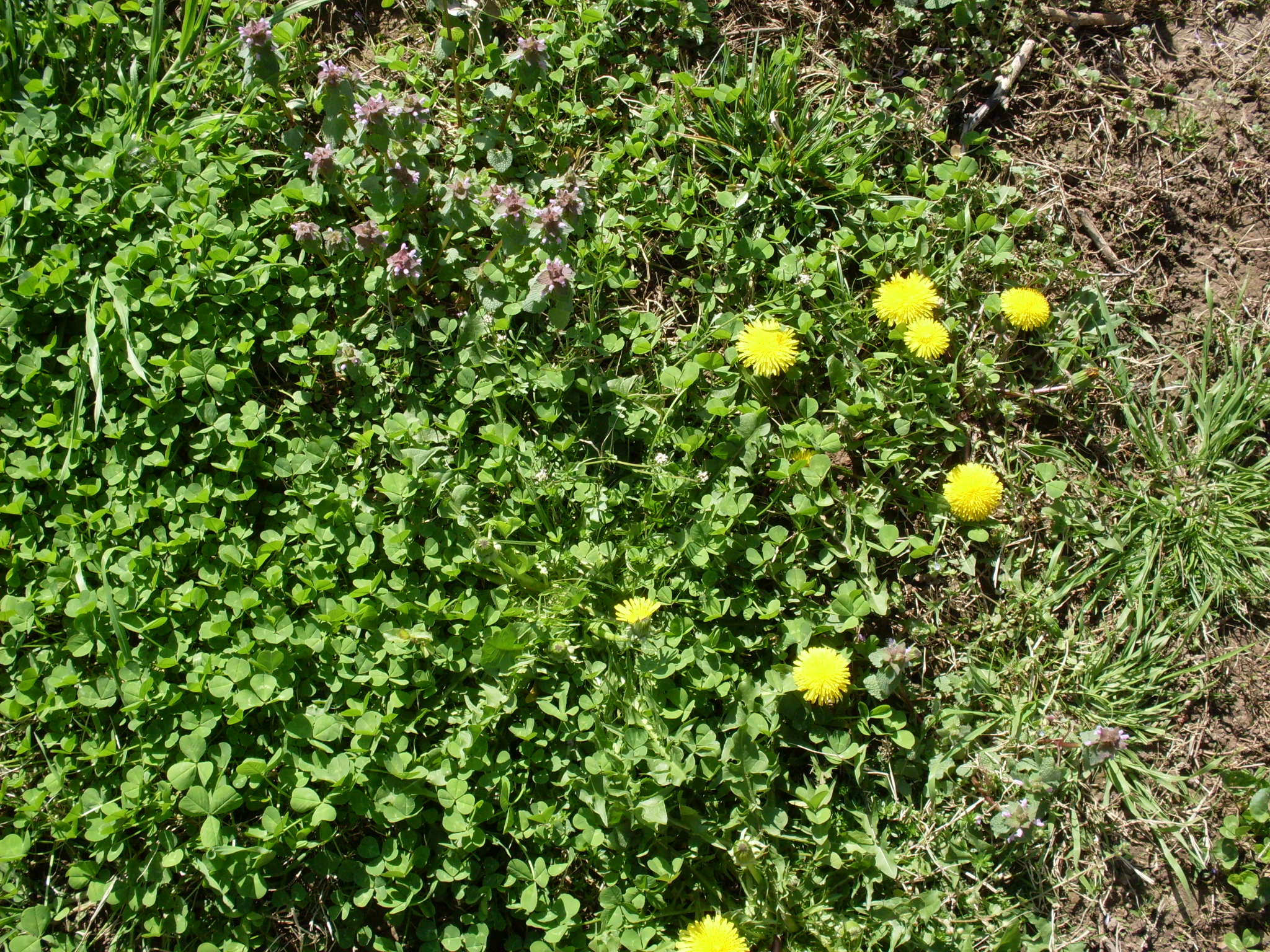 These are the only “flowers” growing in my yard this time of year—my irises are looking pretty puny right now—only one has even attempted a bud that looks like it might bloom. My flowering trees and shrubs—Crepe Myrtles and Rose of Sharon shrubs—don’t bloom until summer, when it’s really hot outside.
Is it springtime yet where you live? What’s blooming?
Click here to see the entire slideshow of pictures I took yesterday.
Revising Is Like . . .
This analogy struck me yesterday afternoon and I had to share. I know it’s April Fools day, but this was too good not to share—no foolin’! (Of course, it would have been better had I come up with it back in October. But I didn’t, so you’re getting this autumn-like analogy at the cusp of spring.)
Revising a manuscript is like making a jack-o’-lantern.
Really?
Okay, here’s how I see it:
The process of developing and writing your first draft is the pumpkin, growing on the vine. It grows from a small seed to a great big, round, juicy orange thing that can become all kinds of wonderful things—as long as when it’s finished (ripe), it doesn’t just sit there on the vine and rot. At this point, though they’re different sizes, shapes, and colors, most pumpkins look pretty much the same, right?
When your pumpkin is ripe, you pick it.
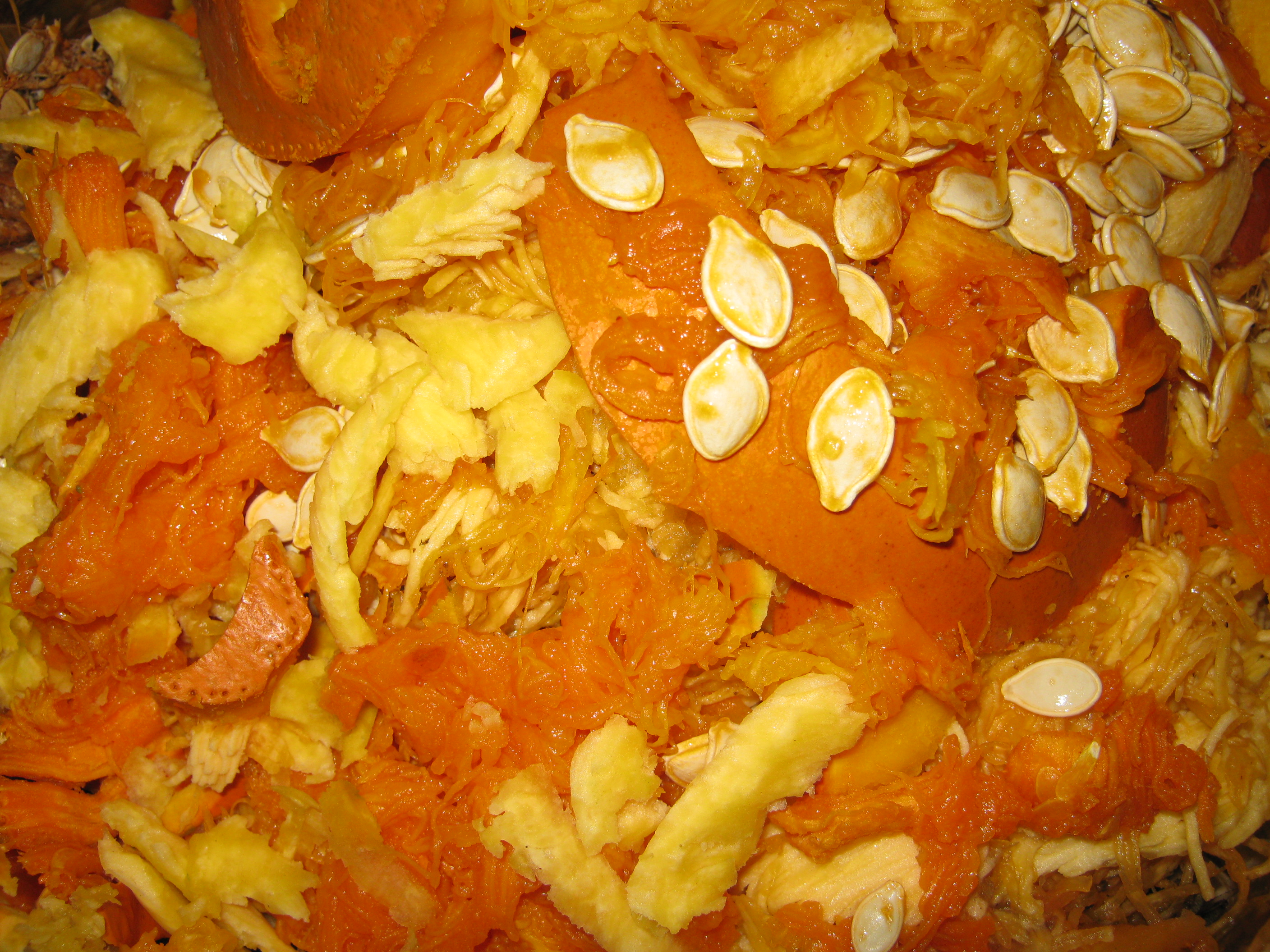 Then you break out the huge butcher knife to cut it open.
Now comes the really yucky part.
You have to reach your hands down inside that great big, round, juicy orange thing and scoop out all of the slimy, stringy “guts” (along with the seeds—be sure to save those for later!). It’s nasty, and it smells funky; but no matter what you’re going to do with that pumpkin, this part of the process must be done.
This is your first revision—the one that takes the longest and gets the messiest and most disgusting and makes you wonder why you ever decided to write a book in the first place.
Once this is finished and you take some time to go clean up, wash your hands, etc., and then you come back with the smaller carving knives and you start making this pumpkin into a jack-o’-lantern. It’s your design, you decide what you want it to look like. Make it distinctive, unique, one-of-a-kind. Just remember, one careless cut or too many cuts can ruin it, so you want to take your time and be deliberate with it. And when it’s finished—STOP.
Of course, no jack-o’-lantern is complete without a light glowing from inside. So once more, reach down into it, make sure the candle (the theme, the heart, the soul of the story) is well placed and will burn long and bright.
And that’s what the revision process is like.
What analogy can you come up with?
Procrastination = Sabotage
pro·cras·ti·nate [proh-kras-tuh-neyt, pruh-] verb,-nat·ed, -nat·ing.
- –verb (used without object)
1. to defer action; delay: to procrastinate until an opportunity is lost.
–verb (used with object)
2. to put off till another day or time; defer; delay.
sab·o·tage [sab-uh-tahzh, sab-uh-tahzh] noun, verb,-taged, -tag·ing.
- –noun
1. any underhand interference with production, work, etc., in a plant, factory, etc., as by enemy agents during wartime or by employees during a trade dispute.
2. any undermining of a cause.
–verb (used with object)
3. to injure or attack by sabotage.
From reading the definitions of these two words, they would seem to belie the title of this post: Procrastination = Sabotage. So let’s look at some examples instead.
Example 1: Diet and Exercise
- Last November, I got super busy trying to get Ransome’s Crossing written, as well as working on a new monthly freelance editing job—on top of several jobs I’d already agreed to do by the end of November. Plus, with traveling to Arkansas for Thanksgiving, I didn’t have a lot of time on my hands. And because the weather turned unusually cold for fall in Nashville, I stopped my daily walks. I also stopped going to my Weight Watchers meeting every week. I’ll start back in December so I can be in the right frame of mind for the Christmas holidays with the family—and the loads and loads of sugary/carb-loaded foods I knew would be put in front of me at every turn. But in December, I had to start writing Love Remains—and I had my freelance projects to do as well. I won’t worry about sticking to a healthy eating plan and exercising in December. I’ll start back in January.
But when January rolled around, I not only had a book to write, I had a book to edit (Ransome’s Crossing) and a book release to promote (A Case for Love) as well as my freelance work. I “needed” chocolate and high-carb foods to get me through the stress. I’ll get back on track in February. And even though I hadn’t finished Love Remains, I did join the gym in February—Happy Valentine’s Day to me!—and rejoined Weight Watchers (to find myself up 13 pounds from the lowest weight I’d gotten to in the two years I’ve been going). And after that one time that I went (to the gym and WW), I couldn’t go the next week—because of…whatever. And the next week, my car broke down, so I couldn’t go that week—and with all the stress going on, I definitely “needed” the sugars and carbs, right? I would get back on track when I went to Hot Springs the first week and a half of March. But then there were so many places to go out to eat, and so much good food to be had when I was eating out in Shreveport the weekend of the NOLA RWA conference. So, I’d get back on track as soon as I got home.
But then the stress of more freelance work and more edits and revisions and more marketing was still there. So I’d go to the grocery store, thinking about getting healthy food. But then something would catch my eye—fried chicken, Valentine’s candy, Easter candy, hot dogs, chips, etc.—and I’d think, Tomorrow. I’ll get back onto the healthy eating program tomorrow. Well, I finally replaced the battery in my scale at home and, guess what, I procrastinated myself into regaining 20 of the almost 50 pounds I’d lost over the last two years. TWENTY POUNDS RE-GAINED because I was procrastinating.
Example 2: Writing Goals/Deadlines
- At the beginning of 2009, I set the goal of writing an average of 1,000 words per day from the beginning of the year so that I could meet my contractual deadlines with plenty of time to spare—and get started writing a book I was only thinking about proposing to my publisher before I knew whether they’d buy it or not. But when I’d sit down to the computer to write, I wouldn’t necessarily feel like writing. I can do 2,000 words tomorrow instead of 1,000 today, I reasoned. Three-thousand words in one day? Not a problem. I can do that tomorrow. So what happened? Well, the last couple of weeks of June—when the weather was gorgeous and I would have loved to be out, meeting friends for lunch, walking, and just enjoying the unusually mild start to summer—I was locked up in my house frantically trying to get the last 40,000 words of A Case for Love written. You’d think that would put me on track for getting the 1,000 words per day done on Ransome’s Crossing written so that I could get Love Remains started before December 1, right? What did I spend the week before Thanksgiving doing—the week when I could have been visiting with my parents instead of holed up in their back bedroom? That’s right—trying to get the last 30,000 words of Ransome’s Crossing written. So where did that put me on Love Remains? Way behind the eight-ball. And, as you all know, I ended up being more than a month late turning that manuscript in. I procrastinated myself into an untenable situation I don’t want to find myself in again—having to tell both my agent and my editor that my manuscript isn’t going to be finished by deadline.
Example 3: Housekeeping
- I’ve never been the best housekeeper in the world. I was the kid who was always sent to my room and told to clean it—and when Mom would come check hours later, the room was messier than it was to begin with, because I’d run across some old toy I hadn’t seen in a while and pulled it out to play with it—and then left it on top of the piles of stuff on the floor and pulled something else out. I envy people who have that automatic “put it back where you got it” gene (like my sister) and they don’t even have to think about it. They clean as they go. I’ll put it away tomorrow. I’ll do laundry tomorrow. I don’t feel like doing the supper dishes tonight, I’ll do them tomorrow. I don’t want to sweep the floors today, I’ll sweep them tomorrow. And we all knows what happens. Tomorrow, I’ve put something else down where it doesn’t belong. Tomorrow, I’ve worn more clothes that go on the laundry pile. Tomorrow, I’ve dirtied more dishes that need to be washed. Tomorrow, I’ve tracked in more dirt and grass and mud. The more days these tasks get put off, the more they pile up until they’re overwhelming chores that take hours instead of a simple task that might take fifteen or twenty minutes. I’ve procrastinated my way into a house into which I’d be embarrassed to invite anyone.
There’s a line in The Music Man which has been running through my head today:
You pile up enough tomorrows, and you’ll find you are left
with nothing but a lot of empty yesterdays.
So I got up and went to the gym today. I only managed 1.25 miles on the treadmill in 30 minutes, but it’s a start. I know I need to do this, not just because I now have an additional 20 pounds to re-lose, but because I’ve gotten to the point where I’m sleeping between 10 and 12 hours every night—and even then not wanting to get out of the bed. That’s one of the key signs that I’m sliding over the edge into a depressive cycle (that and the compulsive overeating). The chocolate, sugars, carbs, and fats, while boosting the endorphins momentarily when I eat them, aren’t giving me the long-lasting rush that exercise and eating right and feeling good about myself—both physically and emotionally—give. So TODAY I went to the gym. TODAY I’m making out my meal plan for the rest of the week. TODAY I’m cleaning off the kitchen table, and TODAY I’ll start eating my meals at the table instead of in front of the computer or the TV. TODAY I start cleaning the house, one room per day. TODAY I start working on catching up to the word-count goals I set for myself to get Ransome’s Quest written before the end of June so that I have a month to re-read, edit, and revise it before turning it in for the August 1 deadline. TODAY I make a list of everything I’ve let slide by telling myself I’d deal with it tomorrow.
No more tomorrows. Only TODAYS.
What have you been procrastinating on that’s starting to sabotage you? What can you do to stop the procrastination before it becomes sabotage?
Three at a Time? Try FOUR!
You may be wondering why I didn’t have some pithy, or otherwise just brainless, Fun Friday post last week. Well, you see, the realities of being a published author with three books a year coming out definitely hit home this weekend.
Most published authors will tell you that at any given time, they’re working on three books—one that’s just been released (or is about to be released), one that’s in the final production stages (edits, galleys, etc.), and one that they’re writing.
I found that to be the truth back in January when I was working on writing a book, working with an editor to revise the manuscript I’d just turned in, and trying to get some buzz going for a February 1 book release (and I wonder why I missed that February 1 deadline to get the new one turned in).
Well, this weekend, four of my “babies” clamored for my attention.
 In trying to get the first book of the next series written and revised, as well as keeping up with my freelance editing work, I’d fallen behind on some of my marketing for A Case for Love, so I spent several hours this weekend answering interview questions and getting some copies out to people I thought might be beneficial. Did y’all even know it was on the FIRST Wild Card blog tour last weekend? Poor Forbes and Alaine have definitely been the most neglected of my “children,” not getting a lot of my attention when it comes to marketing the book’s release. So I had to spend some time doing that this weekend.
 In addition to post-release marketing for Case, I started working on a pre-release marketing plan for Ransome’s Crossing, due to be released June 1, 2010—uh, that’s only about two months away! I’m trying to figure out a contest (without going broke) as well as getting the word out about its release to some of my more nontraditional Christian fiction contacts—like those I have in the Jane Austen blogosphere. The marketing push for this book is necessarily different than it is for one of the contemporaries—not just because it’s a historical, but because the Ransome Trilogy is a continuing story, not a set of books that could stand alone. So that takes a little re-thinking about how to position it as I talk to folks about it.
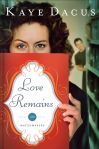 The biggest chunk of my time last week and this weekend was taken with working on the edits/revisions of Love Remains. I’m hoping that we were able to push through to get the manuscript finished in time for it to still come out August 1, 2010, as planned! This has been one of the toughest turn-arounds I’ve ever had to do on a manuscript—with only three months to write it and then a couple of weeks for the edits/revisions, my stress level in working on it was higher than any other book I’ve written. But as I read back through it to read and respond to my content editor’s comments/questions and make the requested revisions, I started liking it again. Maybe by the time it comes out in August, I’ll be back in love with it.
 And, of course, since I have a deadline of July 1 (actually, June 26—the day before I leave for St. Louis for ICRS) to get the first draft finished, I’ve also been trying to find time to work on writing Ransome’s Quest. My goal, starting March 15, was to average 1,000 words per day—which would get me to just under that 105,000-word goal by June 26. I wrote about 2,300 words this weekend (which aren’t reflected yet in my counter to the right), so I’m about 8,000 words behind where I should be for today (15,000 words). But I did spend time this weekend re-familiarizing myself with the crews of both of the Royal Navy ships as well as developing five or six important characters on one of the pirates’ ships.
So that’s what it means when we authors talk about working on more than one book at a time. Sometimes we have the luxury of being able to focus on just one book—hopefully just the one we’re writing or just the one that’s releasing—but most of the time, it’s more of a balancing act, like this.
The End of Publishing…the Future of Publishing
One of my editors sent this out yesterday. No matter if you’re a reader or also a writer, it’s very important to watch.
Thoughts?
I Can See Clearly Now
 For those who follow me on Twitter, you know that I had my annual eye exam yesterday, at which my eyes were dilated. If you’ve never had this procedure done, it’s where the optometrist puts drops in your eyes that forces your pupils to fully dilate—and stay that way—so they can shine extremely bright lights into your eyes and see to the backs of the eyeballs or something. (Technically, it’s called Dilated Fundus Examination.) Anyway, for about five or six hours after the drops are put in, the eyes stay dilated, making near vision almost impossible, and distance vision a little hazy. In fact, for the first couple of hours, I couldn’t see anything closer than about five feet away. And I always end up with a raging headache from straining to try to focus close up.
Of course, since critiquing has been on my mind, this temporary inability to be able to read anything that wasn’t in about 72-point font if it was arms’-length or closer made me think about how hard it is to see things in our own writing that need to be fixed. We’re too close to it. It’s too easy to overlook glaring errors or areas which could use quite a bit of improvement. So, while yesterday I expounded on the idea that we can’t take every critiquer or contest-judge’s comment as law, today I’m going to follow that up by saying:
It’s very important to have several people read your
manuscript and give feedback on it.
I say several people because if you only have one person giving you feedback, it’s hard to make a judgement on whether or not what they’re saying is their own personal opinion that no one else is going to have a problem with or if it’s something that a majority of people are going to have a problem with. If you have feedback from four or five people and only one of them has a problem with a particular piece of your manuscript, then that gives you a better idea of how to weigh that feedback when it comes time for revisions.
And I’d like to follow that up by giving this piece of advice:
Have at least as many non-writers read your manuscript
as the number of writers you have critiquing it.
Who are you writing your story for? Other writers? Or are you writing it for readers? Sure, other writers are (or at least should be) readers as well. But we’re tainted. We have all those nasty rules running around in our heads. And somewhere, even if it’s just on a subconscious level, we can’t help but think, I wouldn’t have written it that way, which pollutes our ability to just be able to look at the manuscript for what it is: a story first and foremost.
Where can you find these “beta readers”? Look around you! How many people do you know who aren’t writers? Friends at church, acquaintances at work, the girl you see at the coffee shop three times a week who always has a different novel in her hands. (I tend to avoid doing the relative-thing. It’s just weird and uncomfortable for me—what if they don’t like it? Will it come between us if they don’t want to hurt my feelings?) If they aren’t sure how to give you feedback, tell them they can do it one of several ways—they can write a “review” of the manuscript as if they were going to post it on Amazon; if they want to be more in-depth, they can dust off their school-days book-report skills and write a book report on it; or they can keep a “reading journal” while reading through it (can be done with Post-its on a hard-copy or the Comments feature in Word if they’re reading it on the computer) and just write down whatever their reactions are when they have them. It doesn’t have to be difficult. They don’t have to do a line-by-line critique for you—that’s what your critique partners (or copy editors, in my case) are for.
If you’re not a writer but you’re an avid reader who’s friends with writers, offer your services as a beta reader—but be prepared to work. This isn’t one of those “I’m going to say only positive things about it because the person was nice enough to send me a copy” situations. If a writer takes you up on your offer, you have to give them honest, constructive feedback. A good rule of thumb—balance every negative (worded constructively, of course) with a positive. (See this post for examples.)
But this doesn’t just go for writing. There are so many areas of our life in which we could use feedback, but we may be too afraid to ask for it—we don’t want to dread it like that annual appraisal at work. One of the best things that helps people lose weight and keep it off is to have accountability partners. I’ve started an accountability group for writers who are trying to keep up with daily word-count goals. (Interested? E-mail me and I’ll send you the information.)
Whether it’s with writing or weight loss or some other area of our lives in which we’re learning, growing, moving, building, studying, having someone else look over what we’ve done and give us feedback is one of the best ways to improve our skills, our output, our objectivity, our outlook on the task ahead of us.
Who do you have that provides that feedback for you? If you don’t have people who do that for you, what can you do to find some?

It Comes with the Best of Intentions
 I’ve been talking about critiquing a lot lately at writing groups, so it’s necessarily been on my mind. After staying up until almost 6 a.m. today to get a project finished, as I lay in bed trying to get a few hours of sleep, I realized one very important point that I didn’t emphasize in the two workshops I gave—mostly because I didn’t have time in the first workshop (I only had a 45 minute slot) and because the second group, Middle Tennessee Christian Writers, has heard me talk about it before.
I included this in the presentation:
Carefully consider each comment you receive. My local group has adopted a line from Captain Barbossa in the Pirates of the Caribbean movies when it comes to comments received from critiquers or on contest entries: “The code is more what you’d call guidelines than actual rules.”
Back before I was published, I was one of those critiquers, one of those contest judges, who was so certain that I had to follow every single rule of writing that had been drilled into my head (and between graduate school and the multiple conferences I’d attended, those were a lot of rules!)—therefore, everyone whose stuff I read had to follow those rules as well. Because there was no way I was going to see someone else get published without following the rules if I was knocking myself out to follow them.
But then I got published—and I started working as a freelance editor for a couple of publishing houses—and I learned a very important lesson:
Story trumps craft.
What that means is that the reason we see books being published, whether by multi-bestselling authors or first-time novelists, that break the writing “rules” is because, for the most part, they are good storytellers. (Yes, sometimes it is just because they’re a big-name author and, even though the story is mediocre, the book is guaranteed to sell at least 100,000 copies.)
For those of us just breaking in or trying to, it’s important to learn the guidelines of good writing—tight/strong POV, showing more than telling, using active verbs, using the five senses, etc.—because no matter how good our story is, if we can’t put it down on paper in a manner close to what a publisher is looking for, they’ll never acquire it.
But be very cautious about feedback that says you have to write something this way, or you can’t write something that way. “You can’t use the word was, ever” is a huge one that I know so many people struggle with.
I’ve never actually heard an editor or agent say that. I have heard them (mostly published authors who tried to articulate this in workshops for newbies which then got taken out of context) say to “prefer active verbs” (as Strunk & White put it in the Elements of Style). All that means is that if you can use the active form of the verb (walked) instead of the passive form of the verb (was walking), then use the active form of the verb. It tightens your prose and makes your action seem more immediate. It doesn’t mean you have to do verbal gymnastics to try to eliminate every instance of the verb was from your writing. Sometimes a good was is just what you need!
I’m going to share with you something I’ve said to the MTCW group a few times. Some may find it controversial, but I believe it’s true:
You can teach someone how to be a better writer; you can’t teach them how to be a better storyteller. You’re either a storyteller or you aren’t—and no matter what level of expertise in the craft someone reaches, if they’re not a natural storyteller, they’ll never be a good writer.
That’s why story trumps craft. Story is king. And the unfortunate thing about most writing conferences is that this concept gets lost in all the talk of the craft of writing (which can be taught) and industry talk. We don’t focus on developing the story or imagination or creativity. Sure, we’ll talk about the structure of a story, of making sure we have all the elements of the story—but those things are just the braces holding the framing up. If an architect doesn’t have a complete vision for a house, starting from the foundation, it doesn’t matter how much framing and drywall and siding the contractor puts up—it’ll never be a house. If we don’t focus on developing our story first—the heart, the soul of our story—it doesn’t matter how tight of a POV we can write, how many different active verbs we can come up with to substitute for sat, how lyrical our prose. If we don’t have a good story, none of those things matter.
Have we been lied to all this time?
No, of course not. These comments come to us out of the commenter’s best intentions—but out of a misconception that says, “As long as I follow all the rules, I’ll get published.” A misconception that makes unpublished authors increasingly frustrated when they read people’s debut novels in which rules are broken—or novels (like Love Remains) which opens with a were in the first sentence and a had been in the second sentence. As someone from MTCW said, if I were entering that in Genesis, they’d ding me on both of those.
Rule-breaking doesn’t always work. And it’s better to know the rules and understand why you’re breaking them (because it’s your voice as a writer, because it fits your story) than to not know them and just be a sloppy, lazy writer who can’t be bothered with improving his/her skills.
And this isn’t true of just writing. There are other areas in our lives in which we’re constantly told should and can’t yet, when we learn all of those shoulds and can’ts, we discover that we might and can because we’ve learned why those “rules” were there in the first place—we learn they’re guidelines for improvement rather than actual rules.
Look beyond the “rule” to the intention behind it and see if it isn’t more of a “guideline” instead.


