The Matchmakers–The Setup
Wonder how these grannies got started with their matchmaking ways? Here’s the setup:
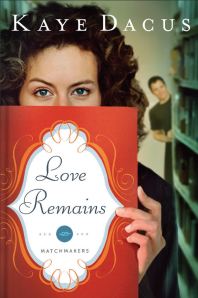 LOVE REMAINS
Book 1 of the Matchmakers Series
ISBN-13: 978-1-60260-989-1
© 2010 by Kaye Dacus
Prologue
“You’d think she won the lottery or something.” Katrina Breitinger glared at the woman flouncing by, nose in the air.
. . . . . . . .“She’ll be lording it over all of us until someone else achieves the same feat.” Lindy Patterson crossed her arms and blew a lock of blond hair from her eyes.
. . . . . . . .“One would think she’d be mortified that it happened when she’s still so young.” Celeste Evans craned her neck to continue watching the woman in question.
. . . . . . . .Helen Bradley made a derisive raspberry sound. “Young, my foot! You know she’s had work done.”
. . . . . . . .“The least she could do would be to stop coloring her own hair.” Maureen O’Connor touched her professionally hued auburn tresses. “Hers always looks so brassy.”
. . . . . . . .Trina clicked her tongue, feeling slightly guilty. “Listen to the five of us. Standing here being catty about someone in church.”
. . . . . . . .“You’re right. Someone might overhear us and tell her.” Lindy looked over both shoulders.
. . . . . . . .“We sound just like teenagers. It’s unbecoming of us to speak ill of someone else.” Trina set her lips in a firm line and looked at her four companions.
. . . . . . . .“To speak ill of her, but not to think ill of her?” Lindy, Trina’s best friend since high school, winked.
. . . . . . . .“You know what I mean. Honestly. We’re over eighty years old, and we’re still acting like sorority girls.” Trina raised her hand to signal her husband, who’d just entered the back of the sanctuary.
. . . . . . . .“But what are we going to do about her?” Helen jutted her chin toward the object of their ire.
. . . . . . . .“There’s nothing we can do. Until one of our grandchildren get married, she’ll keep taunting us with the fact that she’ll have great-grandchildren before we do.”
. . . . . . . .Lindy grabbed Trina’s arm. “That’s it!”
. . . . . . . .“What?” Maureen asked.
. . . . . . . .“All of us have grandkids who’re getting up into their twenties and thirties. High time they should be getting married.” Lindy pulled the rest of the girls into a huddle.
. . . . . . . .“Don’t remind us,” Helen wailed.
. . . . . . . .“No, listen. We make a pact. Since each of us prides ourselves on knowing our offspring well, we’re going to be very picky about whom our grandchildren choose. So we narrow the pool.”
. . . . . . . .Trina stared at Lindy, following the train of thought to the next logical step. “We set our grandkids up with each other’s grandkids.”
. . . . . . . .“Exactly! We take the guesswork out of finding suitable partners for them.”
. . . . . . . .“But how—?” Celeste’s question was cut off by the organist beginning the prelude.
. . . . . . . .“We’ll work that out later—we’ll talk about it at coffee on Thursday.” Lindy stuck her right hand into the middle of the circle. “Who’s with me?”
. . . . . . . .Trina hesitated only a second before placing her hand on top of Lindy’s. Celeste, Helen, and Maureen quickly followed suit.
. . . . . . . .Lindy looked around at each of them, beaming. “I hereby dub us the Matchmakers.”

Be looking for Love Remains at a bookseller near you soon. Or order online at one of the following:
 . . .
. . . . . .
. . . . . .
. . .
 . . .
. . . . . .
. . .
. . .
. . .


Meet the MATCHMAKERS
Well, since Love Remains has released a month early, I guess it’s time to formally introduce to you my new series, The Matchmakers, from Barbour Publishing.

Six independent, professional young adults don’t stand a chance when it comes to romance . . . not when their grandmothers decide it’s high time for them to get married. Together, these meddling grannies will help their progeny overcome difficulties ranging from troubled pasts, hidden identities, and initial incompatibilities as they become . . .
The Matchmakers.
When the time drew close for me to turn in the manuscript for A Case for Love, my editor requested a proposal for another three-book contemporary series. Not wanting to immediately jump right back into another three books set in Bonneterre, I pulled up two story ideas that I’ve had floating around in my head (and written up on my computer) for a few years and tried to figure out a way to pull them together and come up with a third book to complete the series. And it came to me . . .
What if the guys and gals in the books have grandmothers who are trying to get them matched up with each other?
Yay—not only did I have a thread that tied all the stories together, but I also had a series name!
Working with a rough draft that I’d already written many years ago (the manuscript I completed before I started Stand-In Groom back in 2003) and a story idea I’d had a few years after that, I brainstormed a third book idea and then had the daunting task of coming up with these good-intentioned, meddling grannies. And you know exactly where that led me.
CHARACTER CASTING!
My favorite part of the writing process.
As a lover of old movies, I’ve always had tons of older actors/actresses listed in my casting book. I’ve occasionally used one as they appeared in their younger years, but typically I do use them as the parents/grandparents/older characters in my stories (and, yes, in case you’re wondering, even Forbes/Meredith/Anne’s grandparents were cast this way . . . as Audrey Hepburn and Gregory Peck). Because the grandmothers were going to be the important characters, I cast them first. I had to know something about my heroes/heroines (especially their looks/ethnic backgrounds). I also needed to know some of their background/backstory. This is the first time, though, that I’ve ever had viewpoint characters for whom I haven’t done a complete backstory workup. Of course, they don’t have that many scenes, either. (And from the center pictures in each grouping, you’ll see how I came up with the template for the grandfather characters.)
So, without further ado, may I introduce to you The Matchmakers:
Katrina (Kiki) and Victor (Pops) Breitinger (Love Remains)

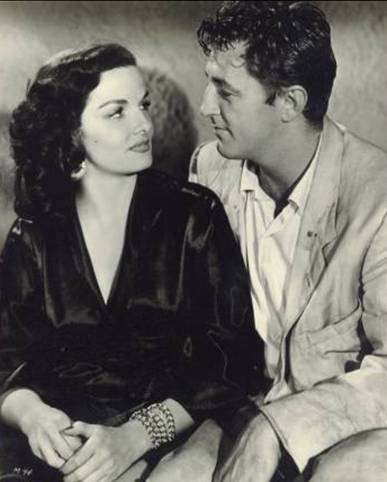
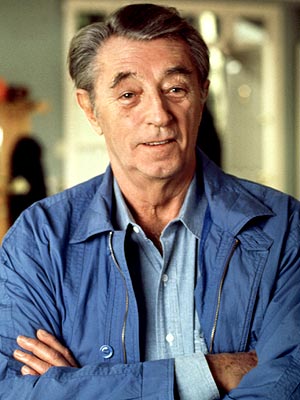
Both Victor and Trina are Nashville natives, with Victor’s roots in Middle Tennessee going back to just before the Civil War (leading to Zarah’s interest in the Civil War battles fought in the area). I can’t remember if I ever said in the book what Victor had done for his career, but Trina is a retired pediatric nurse.
Melinda (Mamm) and Greeley (Greedad) Patterson (Love Remains)
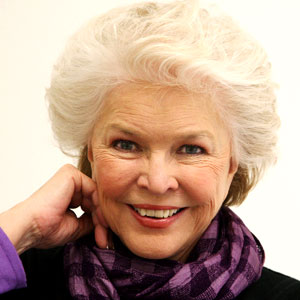
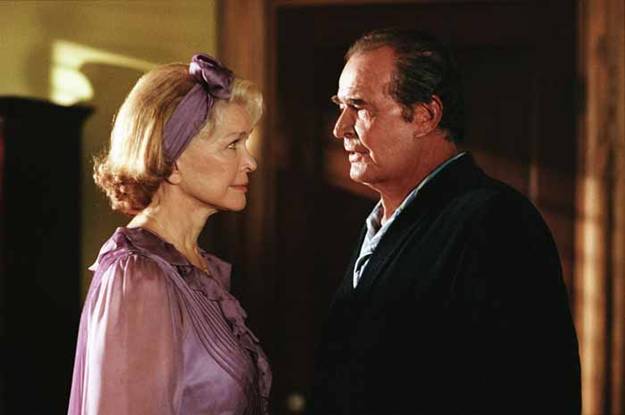
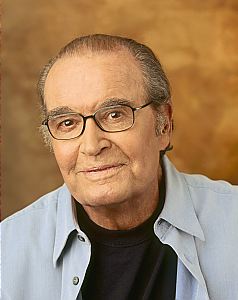
Once again, I’m sorely lacking on background information on Bobby Patterson’s grandparents. What I do know is that Trina and Melinda have been best friends since high school and roomed together in the dorms when they were in college at James Robertson University (a fictional liberal arts school in Nashville). On Sunday afternoons, while Greedad snoozes in his recliner in the living room, Mamm sits in the den knitting and listening to audio books.
Celeste (Sassy) and Frank (Papa) Evans (The Art of Romance)
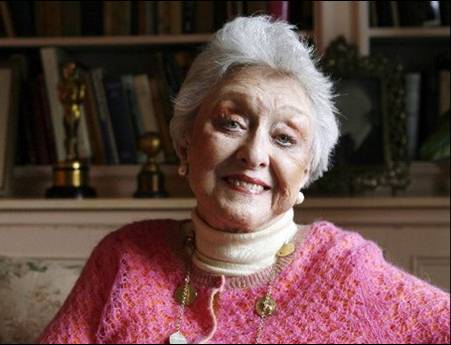
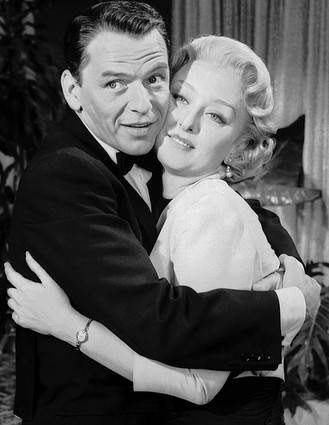
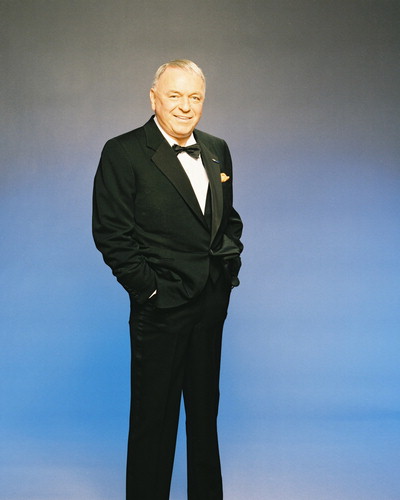
Five years ago, when Papa passed away, Caylor Evans moved in with Sassy, since Sassy had lost her driver’s license due to her poor eyesight. I’m still in the beginning stages of this book, so I’m not sure of much of Sassy’s backstory, but I’m looking forward to getting to know her MUCH better.
Helen (Perty) and Gerald (Gramps) Bradley (The Art of Romance)
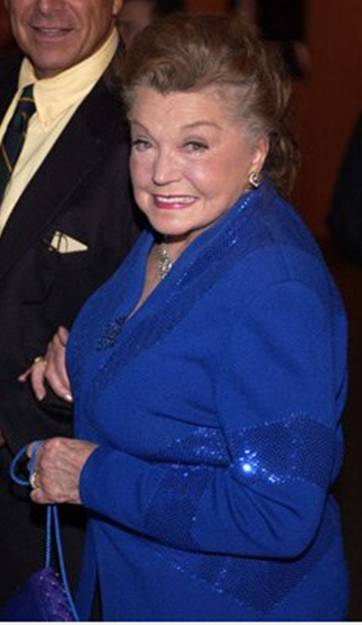
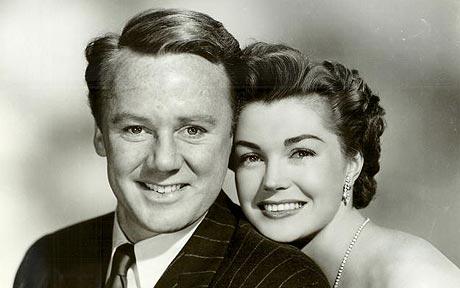
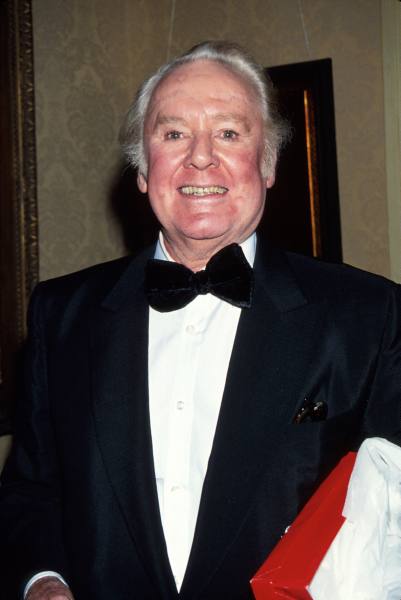
In Dylan Bradley’s first scene in The Art of Romance it came to me that his grandparents, with whom he’s living for the time being, needed to have had careers juxtaposed to his career/life as an artist. So these two I know pretty well already: Gerald is a retired civil court judge, and Helen, also retired, after twenty years as an English professor was the first female and longest tenured president of James Robertson University. Helen, Celeste, and Maureen (see below) shared a suite along with one other coed (three rooms connected to a bathroom) with Trina and Melinda, which is how they became such close friends (the other roommate having moved away shortly after graduation and lost touch). Celeste and Helen earned the nicknames Sassy and Perty in college, and because that’s what their friends called them, that’s what their grandchildren began calling them.
Maureen (Cookie) O’Connor and Kirby (Big Daddy) McNeill (Turnabout’s Fair Play)
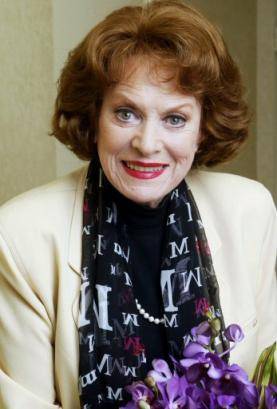
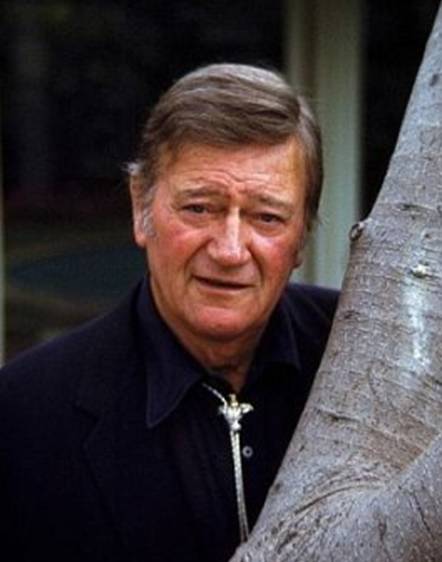
In the third book in the series, not only are the young people going to find romance, but the grandparents are, too. Kirby McNeill, who, in addition to maintaining a small farm south of Nashville, has finally convinced the church where he’s been pastor for thirty years he really is retiring this year. Maureen O’Connor has been on her own for almost forty years, as well, but she’s gotten used to it. After seeing how close Kirby is with his beautiful, single granddaughter, she enlists his help with her grandson, Jamie. Unbeknownst to her, her friends have another idea—when Kirby McNeill starts attending their church and they see the sparks flying between the two. Flannery and Jamie get in on the action, too, turning their grandparents’ attempts to set them up into situations to bring Kirby and Maureen together.
So, there they are. The Matchmakers.

Love Remains is currently making its way to bookstore shelves and can be ordered online (and on a couple of them, The Art of Romance is already available for preorder) from:
. . . . . . . . .
. . . . . .
Christy Awards Live Blog
For those of you who can’t attend the Christy Awards tonight and who don’t want to wait until someone posts the list of winners afterward, you can follow along live on the Christy Awards Live Blog.
Have a great weekend! (And to whet your appetites, beginning Monday, I’ll be introducing to you my new contemporary series, The Matchmakers.)
Fun Friday–Awards Ceremony Hits and Misses

“Gee, this isn’t like I imagined it would be in the bathtub.”
~Dianne Wiest, on winning the Oscar for Best Supporting Actress in 1987
I’m supposed to write a one-minute “acceptance” speech before I go to the Christy Awards. While I’m not superstitious, and I’m convinced there’s no way I’ll win (I respect the other two authors in my category too much to even begin to believe I have a chance), I almost feel like writing something down will “jinx” any fraction of a chance I have at winning. Anyone else ever feel that way? I guess I’ll go ahead and do it so I don’t end up saying something like Ms. Wiest did.
So I’ve given myself a manicure and pedicure, I’ve colored my hair (couldn’t have those little silver sparklies showing up in any of the pictures), I have my dress and wrap hanging on the door ready to go, and I’ve been reassured that I’m not going to be the only person dressed in a semi-formal/cocktail gown. But with that in mind, I thought it would be fun today to look back on some of the more outrageous fashion statements people have made when attending awards ceremonies.
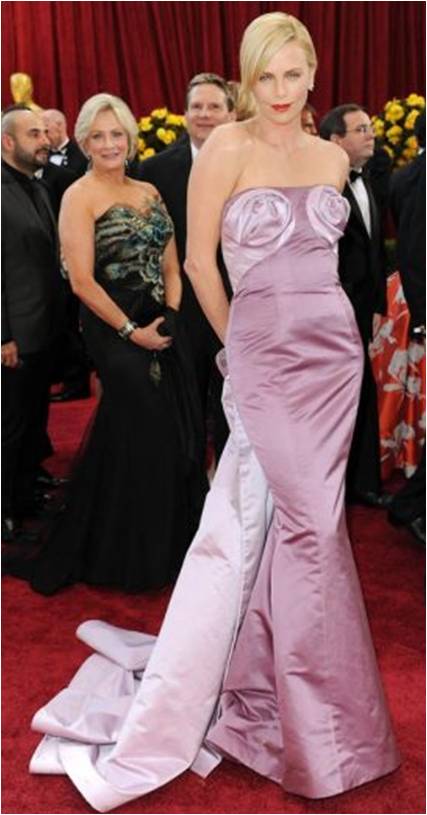
I had to wonder not just what Charlize Theron was thinking to choose this dress, but what designer John Galliano was thinking when he decided to put those swirls of fabric there.
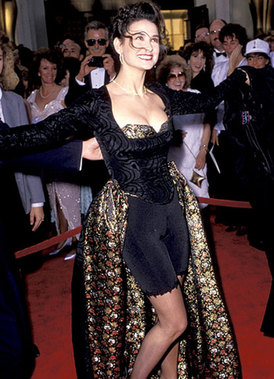
Really, Demi? Lace-trimmed bike shorts under half of a ballgown skirt?
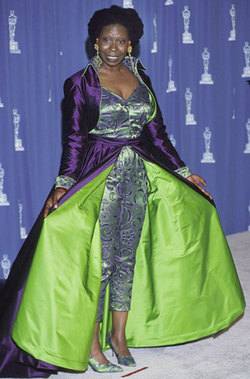
Y’all know purple is my favorite color, but this is just a little too far out there for even me.
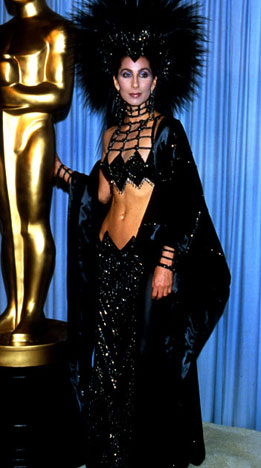
She’s worn some wild things to awards shows, but I think this was the craziest.
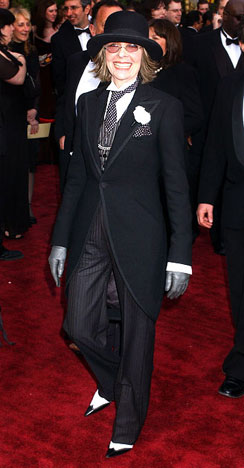
Not the obvious choice for a Best Actress nominee.
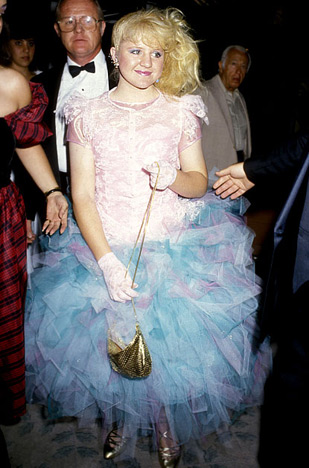
I always felt a little sorry for her anyway. I have a feeling this was chosen for her not by her.

Dang! I should have died my hair electric purple!
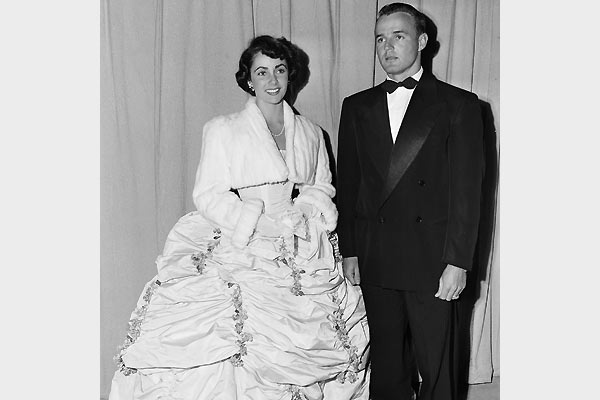
And I thought Mariah Carey’s and Paula Abdul’s penchant for wearing tiaras to awards shows was over the top. Think Liz Taylor was trying to send a message to boyfriend Glenn Davis (a West Point student)?
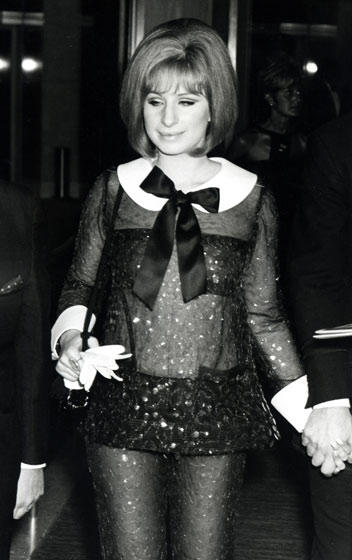
I know it was the 1960s, but seriously, Babs?
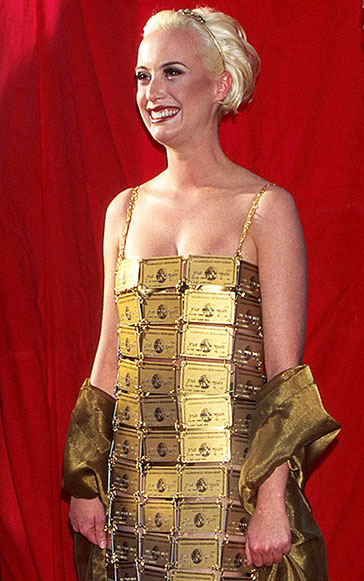
Don’t leave home without costume designer Lizzy Gardiner, who used 254 gold American Express credit cards—from the company with her name and card number (one digit short to invalidate them)—to make this dress. And she won the Academy Award that night for Adventures of Priscilla, Queen of the Desert.
And of course, who can forget Bjork?
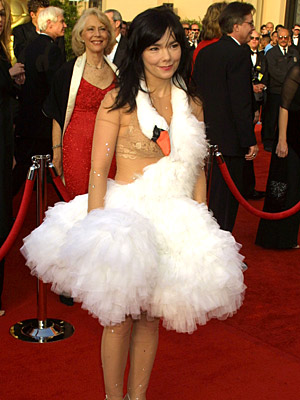


You Know You’re A Writer If, Extended Edition
Yes, it’s time once again to revisit the wonderful world of “You Know You’re a Writer If…” If you’ve never read the first three posts, here they are:
You Know You’re a Writer If . . .
More You Know You’re a Writer If . . .
Even MORE You Know You’re a Writer If . . .
You know you’re a writer if . . .
- You “plead the fifth” on the identity of the person who inspired the dead body in your latest mystery novel.
- You are a member of and participate in more writing groups than you can count, but you consider yourself anti-social.
- You’re a romance novelist, but you can figure out a way to write off your ticket to see The A-Team as a research-related expense.
- You buy a can of something called New Book Smell that is meant for your e-book reader, but you wear it as perfume.
- You find yourself wishing you’d had a troubled childhood so you’d have something to write about.
- You spend three hours in the E.R. waiting room and don’t want to leave when your friend is released (and is okay!) because you want to find out what happened to everyone else who came in while you were sitting there.
- Ninety percent of the nine hundred people you’re “friends” with on Facebook have writer listed either as their job or their top “interest.”
- Everyone at Panera and/or Starbucks knows you and asks about your current writing project by title.
- You see a hand-drawn employee appreciation poster at the grocery store with one word misspelled and have to avert your eyes every time you walk past it to keep from attacking it with a red Sharpie.
- Staring off into space with a glazed look in your eyes is considered “working.”
- You’ve ever gotten a major cable network to correct text in one of their show promos because the grammatical error in it drove you so crazy you Tweeted about it.
- You are automatically drawn to the display of journals and fancy notepads/notebooks on the bargain table at every bookstore you enter. And you buy at least two, because you don’t have any in that style yet, even though you have at least fifteen or twenty sitting at home unused.
- You narrate what’s going on around you. (Bonus points if you do this out loud.)
- You have a soundtrack of songs you’ve compiled for each of your characters/each of your stories.
- You secretly correct grammar and spelling errors in friends’ comments on your blog posts.
- Your dinner conversation about how much poison to use and where to hide the body makes the diners in the next booth call the cops. When the police officer arrives to interrogate you, you end up inviting him to join you so you can interview him for research.
- Your computer is your only true friend. Until it freezes or the Internet goes down. Then you hate it more than anything in the world.
- You see a documentary about glass blowing artistry and when you see the guy in the full-body fire-resistant suit who “catches” the hot glass when it’s finished, you think, Hey, I think that’s the job the hero of my next book will have!
- The only response you can come up with in a major Facebook discussion about which cousin talks the most is: “This is SO going into my next book.”
- You—SQUIRREL!!!
- You didn’t know that Starbucks sells anything other than the Venti size. (Seriously? Someone would pay for something smaller than that?)
- You go into mourning when you kill off a character . . . even if the character deserved to die.
- You know that “Which of your books is your favorite?” is the second worst question you can be asked. The worst is “Which of your characters is your favorite?”
- You scrutinize peoples’ appearances and mentally describe them as they’re talking to you.
- You watch a documentary on TV about a tribe of Cherokee in East Tennessee who think they’re descended from the Lost Tribe of Israel . . . and a novel about how those ancient Hebrews might have gotten over here and settled in the Smoky Mountains starts forming in your head.
- You know more about your characters than your friends.
- You can never “clear your mind.”
- You’ve figured out how to write while driving. And have actually missed your exit/turn because you’re so absorbed in your own story.
- You can’t remember the last time you ate a hot meal, because as soon as you sit down, a story idea strikes and you must jot it down.
- You’ve taken your laptop with you to Weight Watchers meetings because you’re on deadline and you’ll have fifteen minutes between weigh-in and the beginning of the meeting to knock out a few hundred words.
- You pat the lid of your laptop after you close it. (Bonus points if you mutter, “Good girl/boy” while patting.)
- At parties, some people snoop in the medicine cabinet. You sneak peeks at the bookshelves.
- You read a list of “you know you’re a writer if…” statements and think of twenty others not covered.
They Say It Better Than I Can
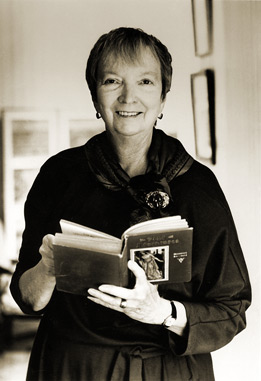
The artist knows total dependence on the unseen reality. The paradox is that the creative process is incomplete unless the artist is, in the best and most proper sense of the word, a technician, one who knows the tools of his trade, has studied his techniques, is disciplined. One writer said, “If I leave my work for a day, it leaves me for three.” I think it was Artur Rubenstein who admitted, “If I don’t practice the piano for one day, I know it. If I don’t practice for two days, my family knows it. If I don’t practice it for three days, my public knows it.”
~Madeleine L’Engle
Book-buyers aren’t attracted, by and large, by the literary merits of a novel; book-buyers want a good story to take with them on the airplane, something that will first fascinate them, then pull them in and keep them turning the pages. This happens, I think, when readers recognize the people in a book, their behaviors, their surroundings, and their talk. When the reader hears strong echoes of his or her own life and beliefs, he or she is apt to become more invested in the story. I’d argue that it’s impossible to make this sort of connection in a premeditated way, gauging the market like a racetrack tout with a hot tip.
~Stephen King, On Writing

We were each, in the image of our Creator, created to create, to call others back to beauty, and the truth about God’s nature, to stop and cry to someone preoccupied or distracted with the superficial, “Look!” or “Listen!” when, in something beautiful and meaningful we hear a message from beyond us, and worship in holiness our Creator who in his unlimited grace, calls us to become co-creators of beauty.
~Luci Shaw, “Beauty and the Creative Impulse,” The Christian Imagination
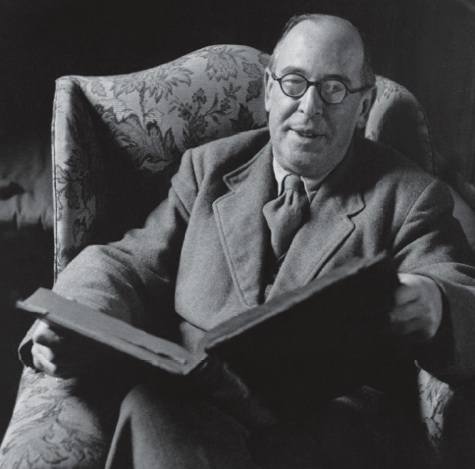
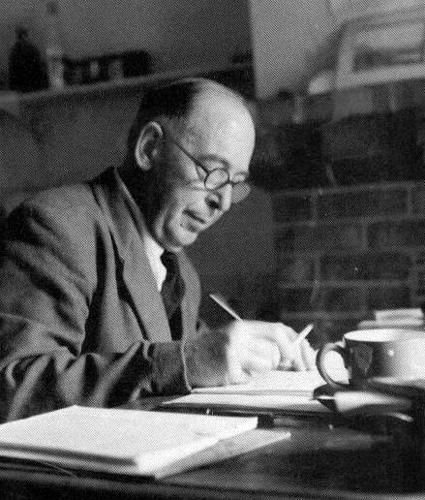
Some people seem to think that I began by asking myself how I could say something about Christianity to children; then fixed on the fairy tale as an instrument; then collected information about child-psychology and decided what age group I’d write for; then drew up a list of basic Christian truths and hammered out “allegories” to embody them. This is all pure moonshine. I couldn’t write in that way at all. Everything began with images: a faun carrying an umbrella, a queen on a sledge, a magnificent lion. At first there wasn’t even anything Christian about them; that element pushed itself in of its own accord. It was part of the bubbling.
~C. S. Lewis, “Creating Narnia,” Of Other Worlds
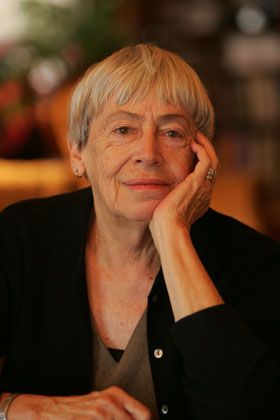
We read books to find out who we are. . . .
A person who had never listened to nor read a tale or myth or parable or story, would remain ignorant of his own emotional and spiritual heights and depths, would not know quite fully what it is to be human.
~Ursula Le Guin, The Language of the Night
Given a Christian worldview, what is the significance of fiction as an art form? Should there be a specifically Christian fiction, and if so, why? What principles would guide it as unique and distinct from any other fiction?
. . . [It] is an ultimately “nice” book of lightweight human interaction and scenarios, suitable for people whose cultural perspectives are formed almost exclusively by the environments of Christian bookstores. Indeed, the most extreme instances of contrivance, parochialism, and niceness may be seen in Christian stories that feature conversion experiences. There is often little discernible difference between a character before and after conversion. The criterion of “cleanliness” demands that really bad aspects of character not be portrayed, although they may be mentioned in summary. . . .
If the Bible is the Christian writer’s artistic model, then clearly the subject matter of literature is virtually unlimited. History, the supernatural, ordinary human life, the beautiful, the grotesque, redemption and damnation, the moral, the immoral, the earthly and the cosmic, the triumphant and the tragic—all suggest material infinitely pregnant with possibility to pursue the truths oof God and the human condition.
~Richard Terrell, “Christian Fiction: Piety Is Not Enough,” The Christian Imagination
An unliterary man may be defined as one who reads books only once. . . . But what can you do with a man who says he “has read” them, meaning he has read them once, and thinks that this settles the matter? . . .
The re-reader is looking not for actual surprises (which can come only once) but for a certain ideal surprisingness. . . . We do not enjoy a story fully at the first reading. Not till the curiosity, the sheer narrative lust, has been given its sop and laid asleep, are we at leisure to savour the real beauties. Till then, it is like wasting great wine on a ravenous natural thirst which merely wants cold wetness. The children understand this well when they ask for the same story over and over again, and in the same words.
~C. S. Lewis, “On Stories,” Essays Presented to Charles Williams
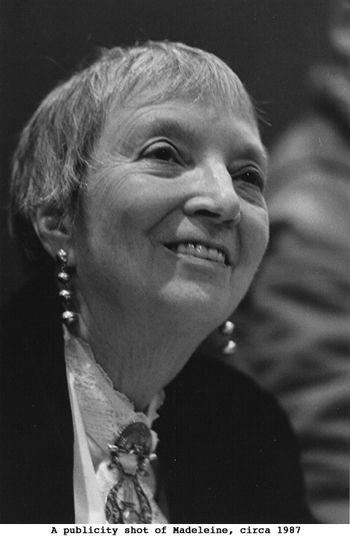
It seems that more than ever, the compulsion today is to identify, to reduce someone to what is on the label. To identify is to control, to limit. . . .If we are pigeon-holed and labeled we are un-named. . . .
We name ourselves by the choices we make, and we can help in our own naming by living through the choices, right and wrong, of the heroes and heroines whose stories we read.
To name is to love. To be Named is to be loved. So in a very true sense, the great works which help us to be more named also love us and help us to love.
~Madeleine L’Engle, Walking on Water


Fun Friday–It’s Work, I Promise
I’ve spent quite some time discussing all the hard work it takes to be a writer recently. But there are a lot of perks too. There are a lot of things that I do that are “working” or “work related” that most people would consider to be frivolous or wasting time.
For example, last night, I went to a writing acquaintance’s book signing at Davis Kidd. I wanted to go to support her, but it was also important for me to go because there are always people at book signings with whom it’s beneficial for me to network—other writers that I might not otherwise meet, store personnel, publicists, etc. It’s also important for me to go out for supper afterward with a few of the authors I just met. Not only is it stimulating to spend time with other writers, it’s building professional relationships.
Well, even though I’m supposed to be working on Ransome’s Quest right now, yesterday, I found myself unable to think about anything other than The Art of Romance (and that was long before the boxes of Love Remains were delivered). In writing the first chapter of Art, I’d created a clear mental image of the kitchen at Caylor’s grandmother’s house (where Caylor now lives). So I sketched it out on a piece of paper and got online and started looking for something similar. The problem is that the kitchen I was picturing was an older footprint—one that you don’t see in modern floor plans as everything is now “open concept.”
Ooh, while I’m at it, let me tell you this trick I’ve learned in Google Maps.
Go to Google, then click on Maps. Once there, go to the location of your setting (or where you live). Then type in whatever you might happen to need at the moment. Since I was looking for houses, I typed real estate in the search box. And, bam, little red dots showing all of the houses for sale in the geographic area I was looking at. Need a restaurant in Brentwood, TN? Ask Google Maps to find Brentwood, TN, for you; then, once it does, type in restaurants and see what pops up. (I used this method quite a bit for research when I was writing Love Remains.
Okay, anyway, I couldn’t find one particular house that fit the mental image I had of the house where Sassy and Caylor live. It needed to be in the Forrest Hills area of Nashville, built sometime between 1930 and 1950, and, most importantly, not overly updated inside. Good luck finding that in a house for sale in that area of town!
So I started grabbing images that did fit my mental image of the house:



But it still wasn’t coming together for me. I couldn’t mentally walk through the house. So I decided to bite the bullet and download the trial version of some drafting software I’ve heard/read about, SmartDraw. Of course, I probably should have waited until this morning to do it instead of almost 10 p.m. last night—because once I got started, there was no way I was going to stop until I was finished.
And here’s the final floor plan:

I’m no architect, so it’s not the greatest layout in the world, but it works for my story. Now I just have to stop myself from spending twelve or fourteen hours furnishing and decorating it!
What’s something you do that’s part of your job (whether as a writer or in another profession) that’s actually more like playing than working?
Look What the UPS Guy Brought Me!
I knew that this one was on a quick turn-around and that they were trying to have it ready for ICRS at the end of the month, but I figured those would be ARCs, not the real thing. I just turned in the galley edits five weeks ago!
Look what my UPS guy delivered today!
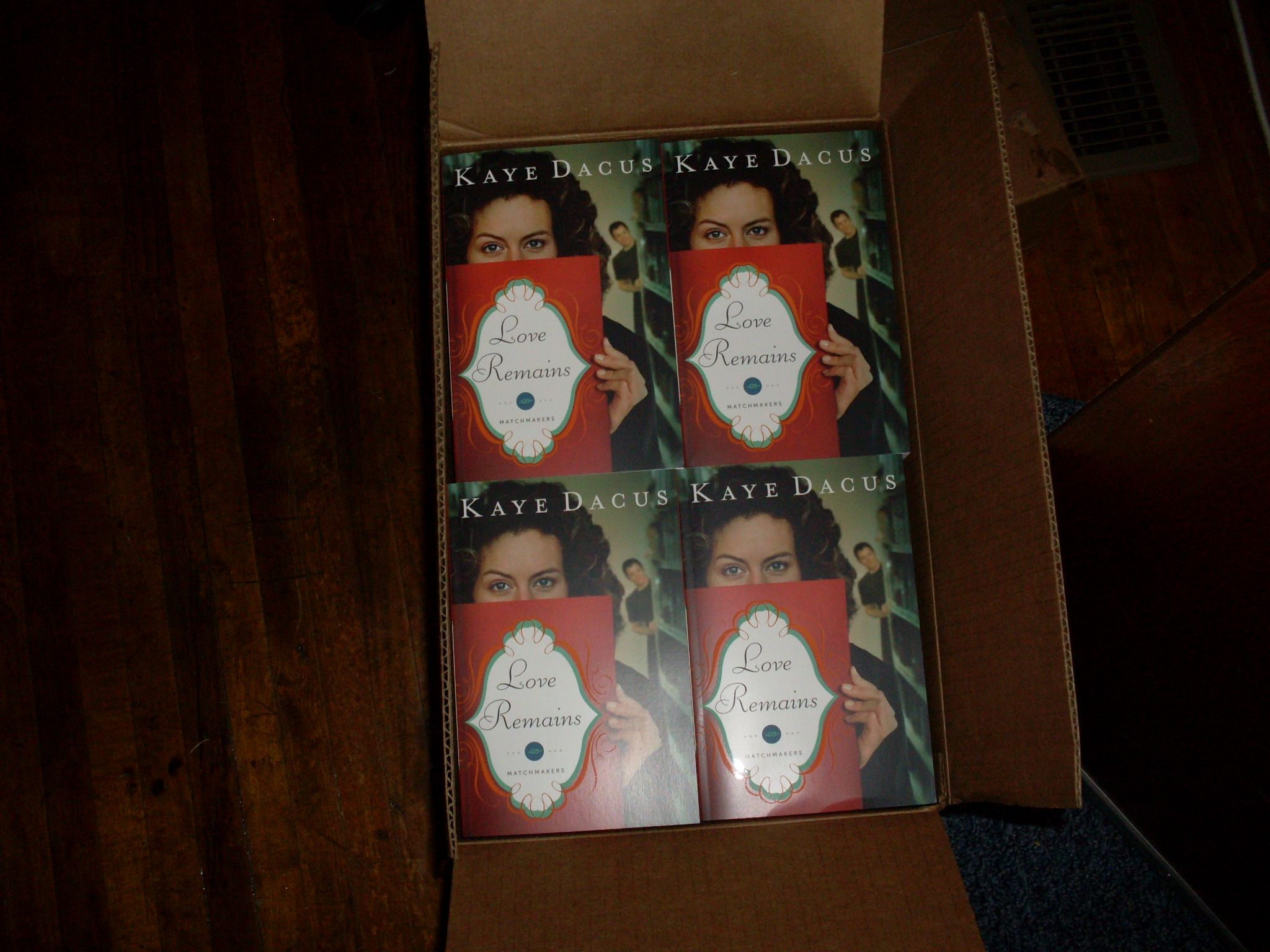
Good thing I suffered through no air conditioning to put those extra shelves up on Sunday afternoon!
Add to: Facebook | Digg | Del.icio.us | Stumbleupon | Reddit | Blinklist | Twitter | Technorati | Yahoo Buzz | Newsvine
Writing Tip #10: When You Need a Kick in the Pants
There are going to be days (weeks . . . months . . .) when we don’t feel like writing. We may sit in front of the computer for an hour and write six words—and then delete three of them. Or during our designated writing time, we find that’s the best time to scrub the toilet and clean out that dark corner cabinet that’s been emanating a funky smell for at least three months.
We’ve turned into Rick Castle staring at his laptop for hours on end and then jumping to grab the phone when it rings and, instead of hello, saying, “Please tell me there’s a dead body,” so he can get away from the writing he’s supposed to be doing.
What we need is motivation. So where do we get it?
Writing Tip #10. YOU are your best source of motivation.
 No matter how many writing groups you join, no matter how active you are in them, no matter how many blogs you write and read and comment on, no matter how many writers’ forums you participate in, when it comes down to it, writing is a solitary venture. Unless you put YOUR butt in YOUR chair and start committing words to paper (whether electronic or wood pulp), your story will not get written.
And, yes, I need this lesson as much as or more than anyone who may be reading this post.
Yes, there are external stimuli that can put the pressure on you to write: school, critique partners, readers expecting the next chapter (contracts, deadlines, agents, editors). But the truth of the matter is, they aren’t in control of your writing, you are.
If the artist works only when he feels like it, he’s not apt to build up much of a body of work. Inspiration far more often comes during the work than before it, because the largest part of the job of the artist is to listen to the work, and to go where it tells him to go. Ultimately, when you are writing, you stop thinking and write what you hear.
~Madeleine L’Engle, Walking on Water
Remember the most famous line to come out of the movie A League of Their Own about baseball and crying. Well . . .
There’s no whining—there’s no whining in writing!
But I don’t feel like writing.
Tough. Do it anyway. Sure, you may find that you’re writing drivel that you’re eventually going to edit out in a future revision—but as our guru Ms. L’Engle said, more often than not, you’ll find that once you make yourself sit down and do the work, the inspiration will come.
I’ll double up my word count tomorrow.
“You pile up enough tomorrows, and you’ll find you are left with nothing but a lot of empty yesterdays.” (from The Music Man)
That’s a really slippery slope—I don’t feel like writing today, so I’ll double up tomorrow. And then tomorrow—I don’t feel like writing today, but I can get three days worth of words written tomorrow. And soon, you’re pressed up against your deadline (whether it’s self-imposed or external) and you’re having to write 28,000 words over Thanksgiving week to make your deadline. (Hello, Ransome’s Crossing.) Or you’re sitting on about 22,000 words on June 17 with forty-four days in which to write the remaining 83,000 words. (Hello, Ransome’s Quest.)
So what are some ways in which you can keep yourself motivated?
1. Pick a project you want to work on. For those of you who are not yet under contract, you’re at a beautiful, glorious time in your writing journey—because you can choose to work on anything you want to. So, hearkening back to Tuesday’s post about writing your passion, make sure you choose a story that’s going to keep you motivated to write it. Yes, there are still going to be times when you don’t feel like writing it; there may be times when you hate it. But if you choose something that interests and intrigues you, you’re more likely to stay the course and get it finished.
2. Take a moment to remember why you started writing in the first place. Remember Writing Tip #5? I posted this in the comments:
I asked this question at the writers group I spoke to last week: Why did we start writing in the first place? Was it so that we could get our wrists slapped and be told “no” and “don’t” and “you can’t do it that way”? So we could sit at the computer and stare at the screen and feel so inadequate and full of self-doubt that we’d never be able to do it “right” that we’re unable to write at all?
Of course not. We all started writing because WE LOVE TELLING STORIES!
3. If your story has lost steam, stop writing and sit down and read it. Not to edit it, but to see if it’s your story or you that’s lost steam. If it’s your story, see if you can find the place where it went off track—or see if there’s a place where you can introduce a new character or a new plot twist. I couldn’t get rolling on Stand-In Groom after three full drafts (written, not revised) of the first ten chapters until I came up with the hidden-identity plot. Do the “what if” exercise. Get out a notebook/legal pad and your favorite pen or pencil (or do it on a white board or easel pad on the wall)—and just start brainstorming. What if instead of George being resentful at having been sent to Louisiana to plan his boss’s wedding, he’s having to pretend to be the groom? What if instead of butting heads with George because it’s obvious he doesn’t want to be there, Anne’s conflict is that she’s afraid she’s falling in love with a client? What if the last time William and Julia saw each other wasn’t when she was ten, but when she was seventeen? And what if when she was seventeen and he was twenty-two, they fell in love and he almost asked her to marry him?
4. If you can’t come up with any ideas on your own, brainstorm with a few trusted people. These can be other writers, family members, friends, anyone who is creative and with whom you’ve talked about your writing before. No, you probably won’t be able to use 90 percent of what you come up with, but it may stimulate you to come up with some new ideas on your own (but be sure to write everything down just in case).
 5. Set daily goals. Whether it’s a word count goal, a goal to write one scene, one chapter, one page, one paragraph, whatever, per day, set a standard and make yourself meet it every day. I know, I’m the world’s biggest hypocrite in writing that. After each book deadline, I always say the next one’s going to be different. I’m going to write 1,000 or 1,500 words a day and get the first draft finished early so I actually have time to re-read it and edit it before I have to turn it in. And do I? (Shall I refer you to the June 17 and forty-four days example above?)
6. Reward yourself when you meet your goals. Did you meet your daily word goal today? Great, now you can watch Castle. Did you exceed the number of pages you wanted to get written this week? Excellent, enjoy dinner out and get the biggest, gooiest, fudgiest dessert on the menu—as your appetizer. Have you reached a total word count higher than anything you’ve ever reached before? Superb. Go get a mani/pedi. Did you finish your first draft? Pop open a bottle of wine, go get a massage, meet the girls (or guys) for a fun night out on the town. Go see that movie you’ve been wanting to see. Take a mini-vacation. (Try to not make all of them food rewards.)
7. Develop a routine/create a schedule. AND STICK TO IT! Yesterday, Regina asked about carving out writing time. I answered: I would imagine that for someone with other people in the house, it’s all about setting rules and boundaries. Rules about what time certain things will be done, and boundaries to let the other people in the house know that during those certain times, they aren’t allowed to cross certain boundaries (like the threshold of the room you’re trying to write in). Make a DO NOT DISTURB sign and hang it on the door of the room in which you’re working—or if your writing space is in a common space in the house, hang the sign from a string and wear it around your neck. Let the people in your house know what your schedule is and what their boundaries are (Unless someone is bleeding and needs to be taken to the hospital, do not talk to me for the next forty-five minutes.) Once you establish your routine, the rest of the people in your life will adjust to it. As long as you stick to it.
8. Unplug. A couple of weeks ago, a friend of mine posted a link for some software she’d purchased that will block her access to the internet for a specified period of time. Now, I’m bad about keeping Outlook and Twitter turned on when I’m sitting at the computer—unless I go somewhere (like the library at my undergrad college) where I can’t access the internet—and reading each e-mail as it comes in when I’m supposed to be working.  We complain about how addicted kids are to their smartphones—there is actually evidence that it is an addictive disorder. How many of us have the same problem, it’s just hidden because it’s coming in on the computer where we’re “working,” instead of on a more obvious hand-held device? Try working away from the computer (writing longhand) or try unplugging/turning off your modem (most laptops have a key which will sever a WiFi connection—mine is on the F2 key). Turn the TV off—or move out of the room where it is. Turn the sound on your phone off (if there’s another parent/adult who can be the designated emergency-dealer-with’er for that span of time). “Writing is a job, so treat it like one” (Randy Ingermanson, Writing Fiction for Dummies). You’d be amazed how much you can get accomplished when you don’t allow yourself to become distracted. (Though you may need to shoot the neighbor’s dog who barks constantly underneath your office window.)
9. Take regular breaks. When I worked at the newspaper, I was the ergonomics specialist for my department. One of the things that I was tasked with training everyone to understand is that you must take regular breaks while you’re working to stay fresh and to stave off physical strain and exhaustion.
- Every fifteen to twenty minutes, look away from your computer screen or notepad for at least a minute and up to two minutes at something in the distance, at least ten to twenty feet away. This cuts down on eye strain and on headaches.
While you’re taking your eye break, give your hands a break, too. Put your pen down or take your fingers off the keyboard and rest your hands in a relaxed, flat position. Your wrists and fingers should be straight. If you’d like, you can stand and stretch or just move around your desk area for these few moments.
Don’t go longer than an hour without taking a real break. Get up from your desk. Walk into another room. Get a glass of water. Go to the bathroom. Do something else for about five to ten minutes. But time yourself. Don’t allow this to distract you from your writing.
If you’re going to work longer than two hours, do some stretching exercises at least once an hour.
Make sure you’re working in an ergonomically correct position.
10. Believe in yourself. You’ll have enough rejection and negativity rolling in from the outside. You don’t need to be another source of it.
You know it takes courage to write. It takes courage to write when you’re not published and you don’t have an agent.
It takes courage to write when you are published and you do have an agent (this is why so many writers drink to excess or anything they can think of to drink to).
You have it inside you to fight this fight. Write, think about what you write, then write some more.
Day by day. Year by year.
Do that, and you’ll jump ahead of 90 percent of the folks out there who want to get published.
~James Scott Bell, The Art of War for Writers
Writing Tip #9: Passion vs. Market Trends
There are two pieces of advice you’re bound to hear at just about every writing conference or group you’ll ever attend. Write the book of your heart—and if you want to sell, make sure you know the market and if the genre you’ve chosen to write is selling. And that brings us to today’s writing tip:
Writing Tip #9. Write your passion—but keep an eye on the market.
 This is a hard balancing act, which we’ve discussed many times. It goes back to the two types of writers Don Maass mentioned in The Fire in Fiction: the status seeker and the storyteller. Are you seeking merely to be published and chasing the market, or are you looking to tell the story that’s on your heart? Is there a way to do both? Yes. But one takes much longer than the other. If you have a good grasp of the market, of what’s selling, and you can write in a genre that’s selling—write from the heart, not just “knock something out”—and you have a good grasp of the craft of writing and storytelling, you’ll probably find success a lot sooner than someone who’s truly writing the story of her heart. “Heart stories” are typically those that don’t fall neatly into any existing publishing category. They’re not always easy to market. But if you hone your craft in addition to writing the best story you can, you may eventually be able to sell it.
The best rule of thumb when it comes to choosing the kind of book you’re going to write is to write the kind of book you would want to read. This is different than saying write a book that fits neatly into your favorite genre to read. You may not actually write the same genre you like to read—for example, you may be best suited to write bittersweet women’s fiction but your favorite books to read may be cozy mysteries. You may write Old West action-adventure but enjoy reading literary fiction. There is no rule that says you have to write the same genre you like to read.
As we’ve already discussed, even if it isn’t your favorite genre to read you still need to read a good number of currently published books in the genre in which you’re writing to keep up with standards and styles and what’s already been published.
If the book of your heart happens to fit neatly within the genre you like to read, you’re already a few steps ahead—because you’re already familiar with the conventions and recent publishing history of your genre and you know personally what readers are looking for in a particular book in that genre.
What you shouldn’t do, though, is choose to write a certain genre because you’ve been led to believe that it’s the “shoo-in” genre or one that’s easier to get published or easier to market.
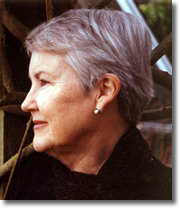
Madeleine L’Engle explained it this way in Walking on Water:
The artist, like the child, is a good believer. The depth and strength of the belief is reflected in the work; if the artist does not believe, then no one else will; no amount of technique will make the responder see the truth in something the artist knows to be phony.
You must carefully balance the choice between “choosing your genre” and “choosing your story.” Don’t compromise the integrity of your story for the expedience of “writing a book that will sell.” If you don’t believe in your story, your readers won’t believe in it either. It becomes formula, dry, with a “dashed off” feeling. (You’ve all read books like that, I’m sure.)
By staying true to the story of your heart rather than chasing the market, it may take you longer to get published, but you’re going to have better success with the story that’s meaningful, that’s from the heart. But even a book-of-the-heart needs to be marketable if you want to see it published one day.
After you have some idea of the kind of book you want to write, you need to spell it out for yourself in some detail. You’re going to have to explain it to your agent and editor some day.
You will not have to give any reasons for what you want to write. You want to write your book because you want to write it. That’s all the reason you ever have to give. All you have to be able to do is describe what you want to write. Ask yourself the following questions:
• What authors would you most like to write like? Write down the names of two or three authors whose style is close to what you think yours is.
• What genres most interest you? You’re allowed to mix genres, but one should be dominant.
• What story elements interest you most? Complex story world? Deep characters? Fast-paced action? Snappy dialogue? Romance? Remember: Choose what you want to write, not what you think you should write or what people expect you to write.
• Where and when would you like to set your stories?
• What special background or life experiences can you tie into your novel?
• What length of books do you want to write?
• Who is your ideal reader? Religious or not particularly so? Education? Interests? Age? Gender?
~From Writing Fiction for Dummies by Randy Ingermanson and Peter Economy
Don’t chase the market; write the best story you can and let the market chase you.


