Book-Talk Monday: What Are You Reading (October 2012)
 It’s the first Monday of the month. And we all know what that means . . .
.
- What book(s) did you finish reading (or listening to) since last month’s update?
- What are you currently reading and/or listening to?
- What’s the next book on your To Be Read stack/list?
~~~~~~~~~~~~~~~~~~~~~~~~~~~~
I have finished reading . . . absolutely nothing in the past month. I started the audiobook of Carol Cox’s Love in Disguise on September 3. I stopped listening to it a couple of weeks ago. Once I finish writing An Honest Heart, I may pull it up on my Kindle and finish reading it. There are two main reasons I haven’t finished listening to it, and they’re both pretty much equally weighted.
First, I’m more than a third but not quite halfway through the book and the heroine has barely met the hero. Sure, it’s an intriguing plot—in the 1880s, Ellie goes undercover to Arizona for the Pinkerton Agency to try to solve a string of silver thefts. She’s going dressed as an older widow (her background is in the theater). But the young woman who’s already a trained agent ends up not going, so Ellie becomes both the niece and the aunt, trying to ingratiate herself to the small community so she can solve the crime. The town has potential to be a great setting with quirky secondary characters. The plot has potential to provide both gripping suspense and wonderful humor. The romance has the potential to be fraught with fabulous tension—after all, she can’t reveal her true identity to the hero. However, at nearly halfway through the book, the narrative (well-crafted though it may be) has pretty much all been centered around Ellie and her decision making. She lost her job. Oh, no, what will she do? She can be a detective. But they don’t want a young woman. Oh, no, what will she do? She can disguise herself as an older woman. She now has a job, but the other young woman who is supposed to travel with her and teach her the job now isn’t going with her. Oh, no, what will she do? She arrives in town and discovers the (male) mine owners aren’t going to pay much attention to (or talk to) an older woman. Oh, no, what will she do? The telegraph operator tells everyone she’s expecting her niece to arrive. Oh, no, what will she do? She decides to dress up as the niece as well as playing the aunt. The first time she goes out dressed as the niece, the shady marshal flirts with her. Oh, no, what will she do?
Obviously, I’m a bit over-the-top with my description, but after a couple of weeks away from the book, that’s all I remember about it. Other than the fact the hero is a mine owner whose silver has been stolen, I don’t remember anything about him.
The second reason I stopped listening to it is because of the narrator. She sounds like she’s thirteen years old and is reading this book to a five-year-old. In addition to having a very juvenile-sounding voice, she has a tendency to mispronounce words and put inflections in strange places in words and phrases/sentences. And I’m afraid that she may be part of the reason why I’m not connecting with Ellie—because her silly voice and inflections make me feel like the character is silly and immature.
Now, I’m not saying that the book isn’t well written. Carol Cox has a wonderful, breezy writing style. However, when I pick up a romance novel, I have two major expectations: (1) the hero and his development will be given at least as much attention as the heroine—after all, I’m reading a romance novel to vicariously fall in love with him right along with the heroine; and (2) the hero and the heroine will meet and start building their relationship early in the story, preferably by the third chapter. As I tell writers in every workshop I teach on writing romances and in feedback in every contest I judge: the “meet” is what gets the plot of the story rolling. In a true romance novel, none of the rest of the subplots or characters matter except for how they tie into that developing relationship.
So while the idea behind this book is interesting, and different for the Christian market, it’s just not drawing me in the way I want it to. I want more hero-heroine push-pull scenes and fewer “Oh, no, what will I do now?” plot devices.
Fun Friday–Avengers Assembled! (At My House!)

Look who came to live at my house this week . . .


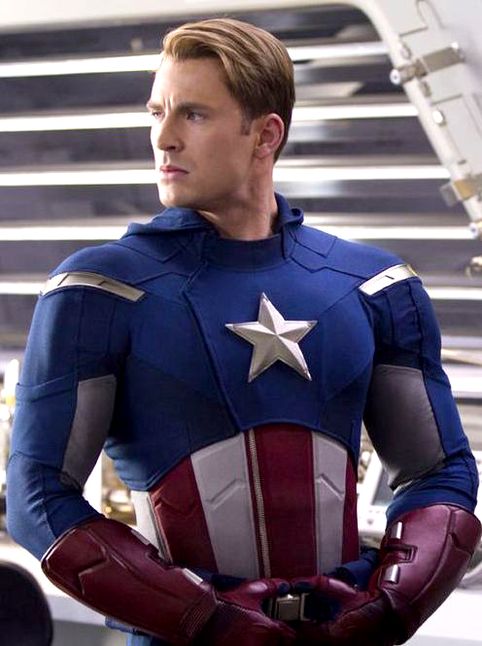
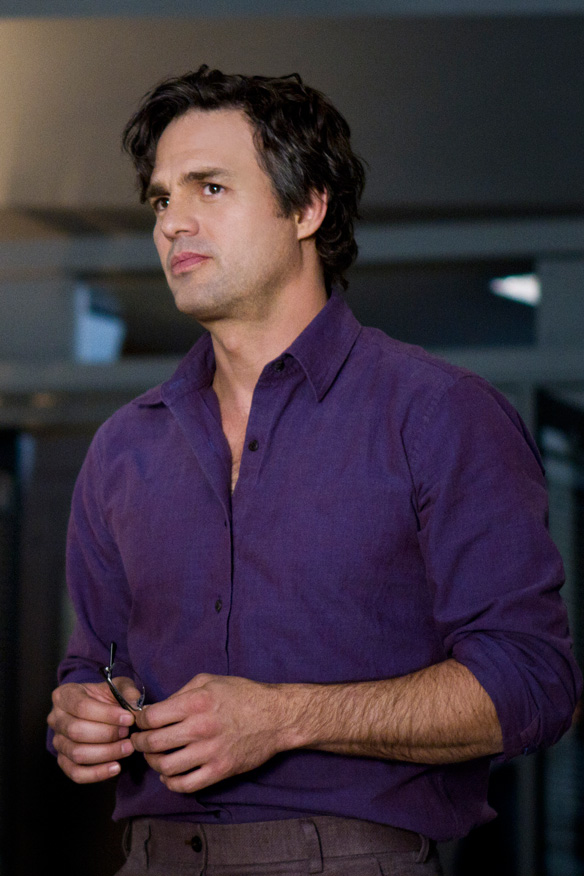


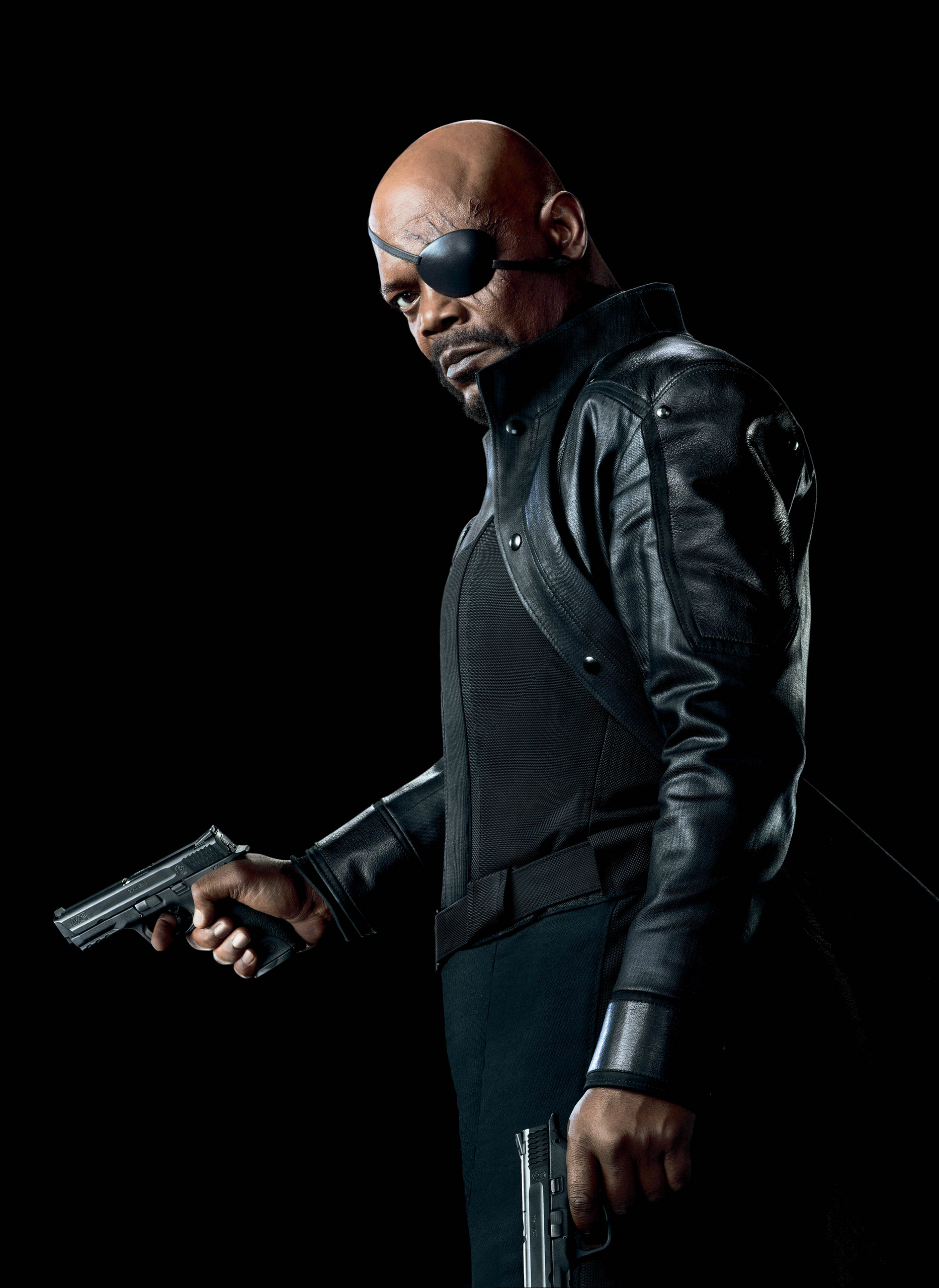
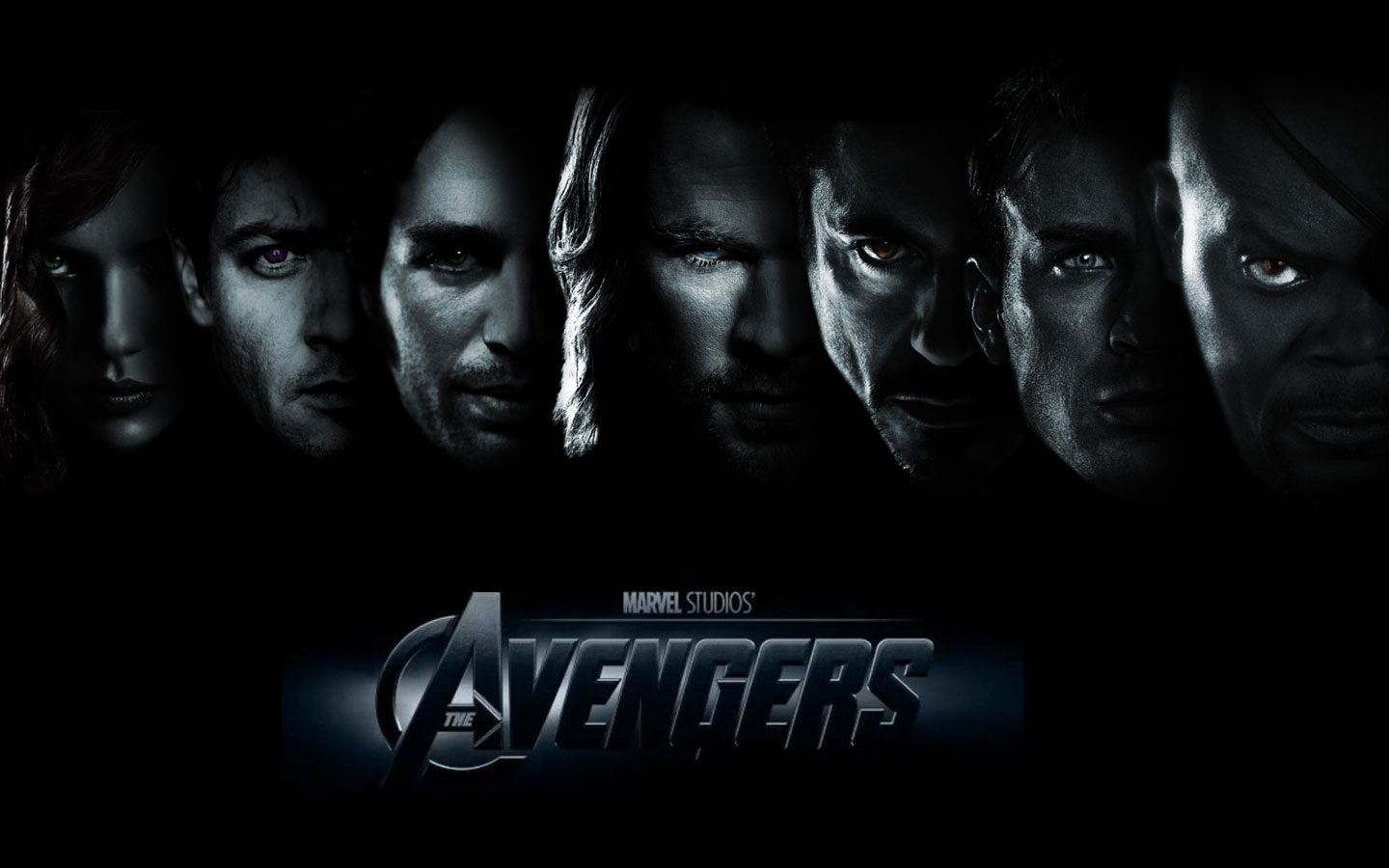
Who is your favorite Avenger, and why?
Getting to the Great Exhibition
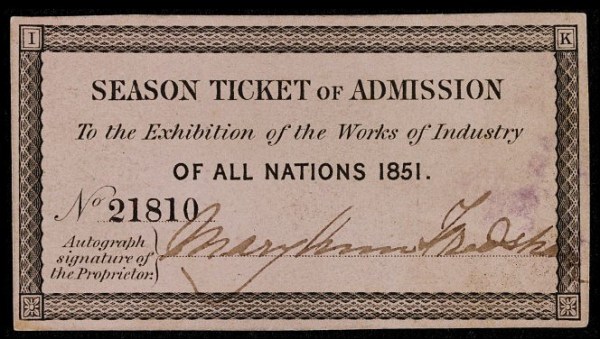
Season Ticket to the Great Exhibition, from the Victoria & Albert Museum
One of the biggest complaints heard about the Great Exhibition was from the wealthier citizens of England; the event would bring all sorts of riffraff into London at the height of the Season—the months when Parliament was in session and the upper classes flocked to London for the meet-market (i.e., to get sons and daughters married off at the best possible price). Though Parliament opened earlier, Easter typically served as the unofficial opening of the Season, and the Great Exhibition was slated to open on May 1 . . . about the time that most families were settling into their Mayfair or West End homes.
Why were they concerned about riffraff? Well, because Prince Albert’s vision included making visiting the Exhibition affordable to all levels of society.

A poem used as advertising for the GE’s Shilling Days, from the Kenneth Spencer Research Library at the University of Kansas
.
In addition to a low cost of entry, the railways got into the spirit as well.

Great Northern Railway advertisement, from the National Archives and V&A
.
It’s estimated that 4.5 million visitors came on shilling days—out of the approximately 6 million who visited in total. Even Queen Victoria and Prince Albert were known to visit on shilling days! (Not that they had to pay to get in, of course.)
As you can imagine, the crowds were much bigger on shilling days than on full-price days.
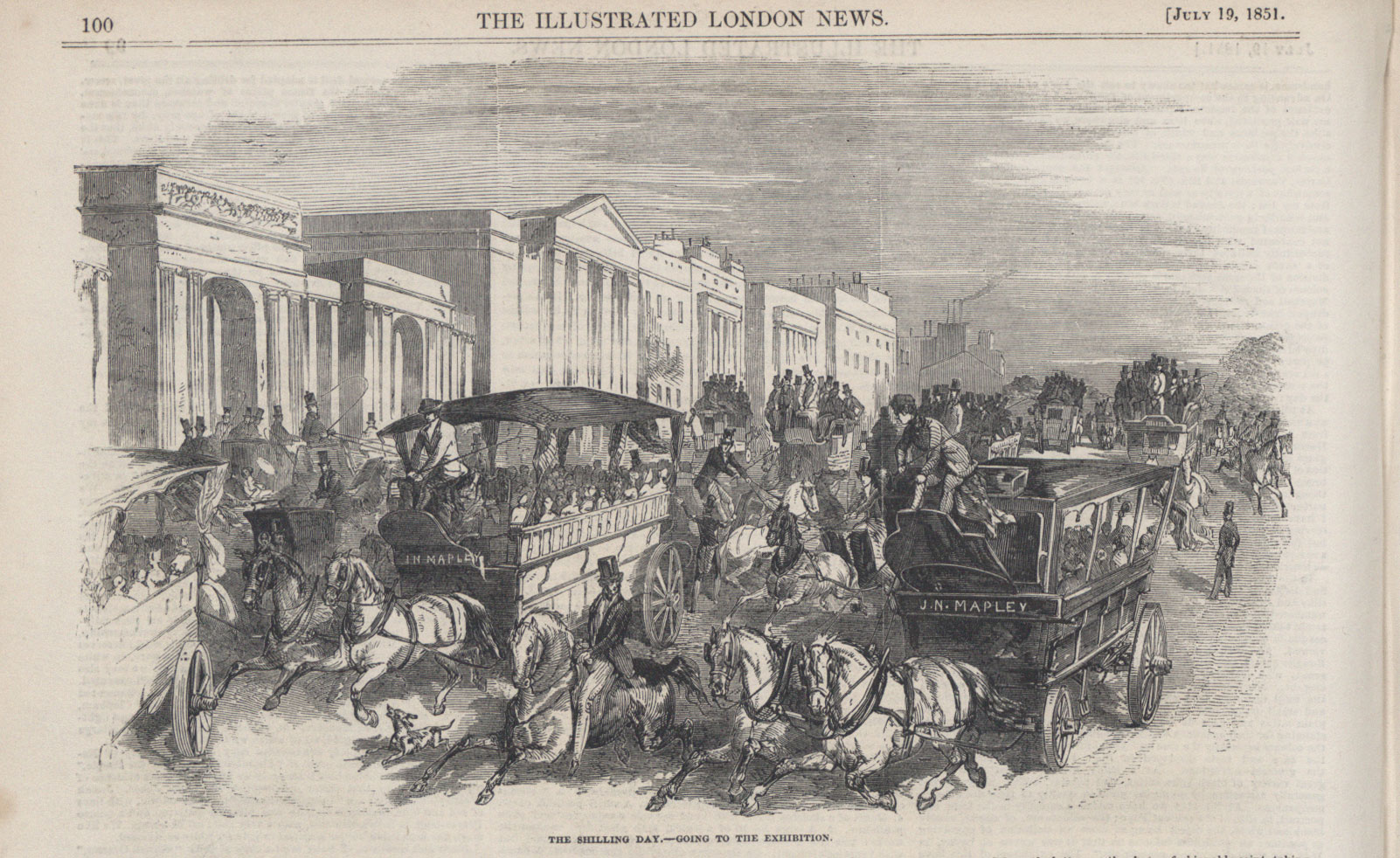
“The Shilling Day—Going to the Exhibition” / image in the London Illustrated News depicting the rush of crowds to get to the GE on shilling days. From the National Archives and V&A
.
There were also five-shilling days. These were days when those who did not want to rub elbows with the one-shilling crowd attended.
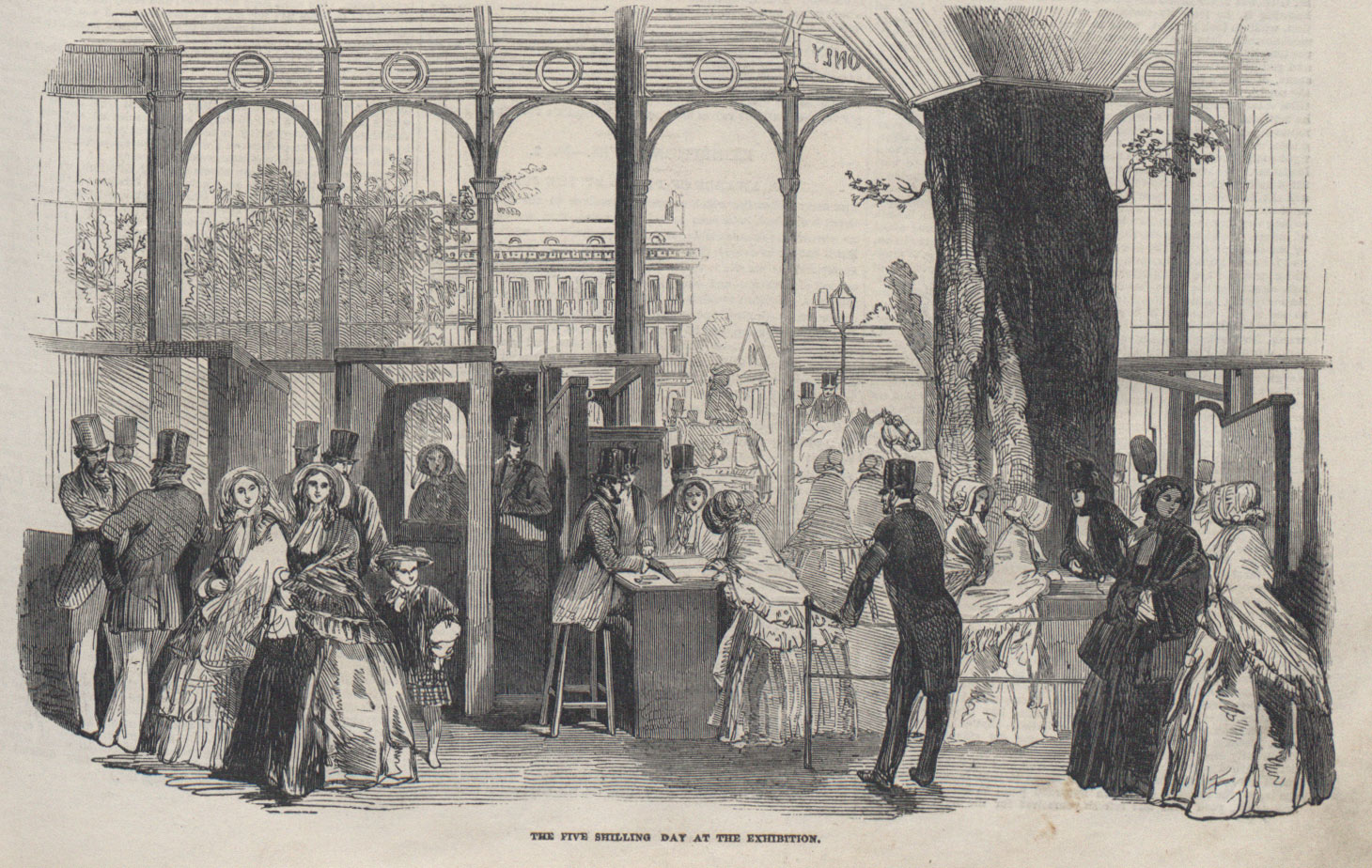
“The Five Shilling Day at the Exhibition” / image in the London Illustrated News from the National Archives and V&A
.
Most of us aren’t crazy about being in crowds, but now imagine yourself back in 1851 and trying to fight the crowds in a dress held out several inches to a foot or more from your feet in all directions by multiple petticoats and crinolines (no, not hoops but heavy, stiff fabric made from horsehair or other stiffened materials).

Color illustration of the Great Exhibition from the British Library
Put yourself in 1851. Will you go on a one-shilling day or a five-shilling day? How will you arrive? And, most importantly, what will you wear?
Good, clean, bouncy Tuesday fun
I’m shamelessly stealing this from Jenny B. Jones‘s blog, simply because it really made my day yesterday.
Book-Talk Monday: Reader’s Block
Do you ever go through periods when you just don’t feel like reading? What does it take to get you back to the point at which you pick up a book and read again?
It’s Ruth’s Birthday
It’s my dear friend Ruth Anderson’s birthday.
Hop on over to her website to wish her a happy one!
(David Guintoli and Sasha Roiz from GRIMM)
The Great Exhibition–Inside the Crystal Palace
Let’s return to 1851 and the Crystal Palace, shall we?
A short walk from the [Victoria & Albert Museum] is Hyde Park, the original site of the Crystal Palace. The Crystal Palace was 563 metres long, 139 metres wide and over 30 metres high. Pre-fabricated parts meant the building went up in only 22 weeks. Work started in August 1850. First, the whole site was enclosed with hoardings. Trenches were dug, then the concrete foundation was laid. Underground iron pipes formed the base for the columns.
By the end of October, workmen were raising 200 columns a week. At the same time, girders were added to support the galleries and roof. The most difficult part of the job was hoisting the main ribs for the transept roof. All 16 were fixed in one week. The height of the roof was designed to leave the trees undisturbed. The roof for the main part of the building was added. Glazing wagons ran in grooves in the gutters, and in one week 80 men put in over 18,000 panes of glass. The boards from the hoardings were used to make the floor. The interior was painted red, yellow and blue.
From http://www.vam.ac.uk/content/videos/c/video-construction-of-the-crystal-palace

“First sketch for the Great Exhibition Building by Sir Joseph Paxton. Museum no. E.575-1985.
First sketch for the Great Exhibition Building showing two elevation sketches of the
building with an attached telegraphic despatch or telegram below dated 15th July, 1850.”
(From http://www.vam.ac.uk/content/articles/t/the-crystal-palace)
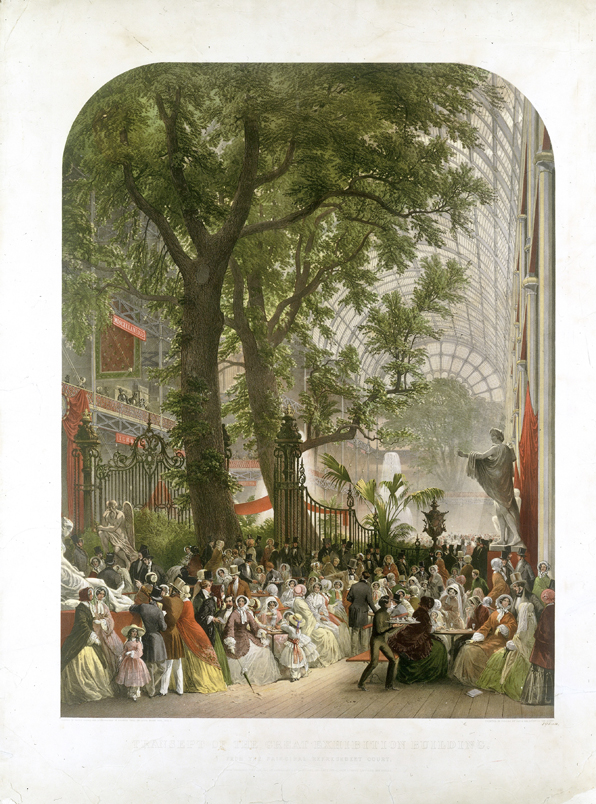
“The Transept of The Crystal Palace, 1851 by Louis Haghe. Museum no. CIS 19604. The interior of the transept of The Great Exhibition of Crystal Palace of 1851, showing a vast exhibition area with large trees, surrounded by a wrought iron gate. On the ground floor is a large number of people, men, women and children, in dress of the period looking at sculptures of classical figures, satyrs, angels, and taking tea and being served refreshement by waiters.”
(From http://www.vam.ac.uk/content/articles/t/the-great-exhibition-visitor-experience)
1 May 1851
This day is one of the greatest and most glorious of our lives… It is a day which makes my heart swell with thankfulness… The Park presented a wonderful spectacle, crowds streaming through it, – carriages and troops passing… The Green Park and Hyde Park were one mass of densely crowded human beings, in the highest good humour… before we neared the Crystal Palace, the sun shone and gleamed upon the gigantic edifice, upon which the flags of every nation were flying… The sight as we came to the centre where the steps and chair (on which I did not sit) was placed, facing the beautiful crystal fountain was magic and impressive. The tremendous cheering, the joy expressed in every face, the vastness of the building, with all its decoration and exhibits, the sound of the organ… all this was indeed moving.From the Journal of Queen Victoria
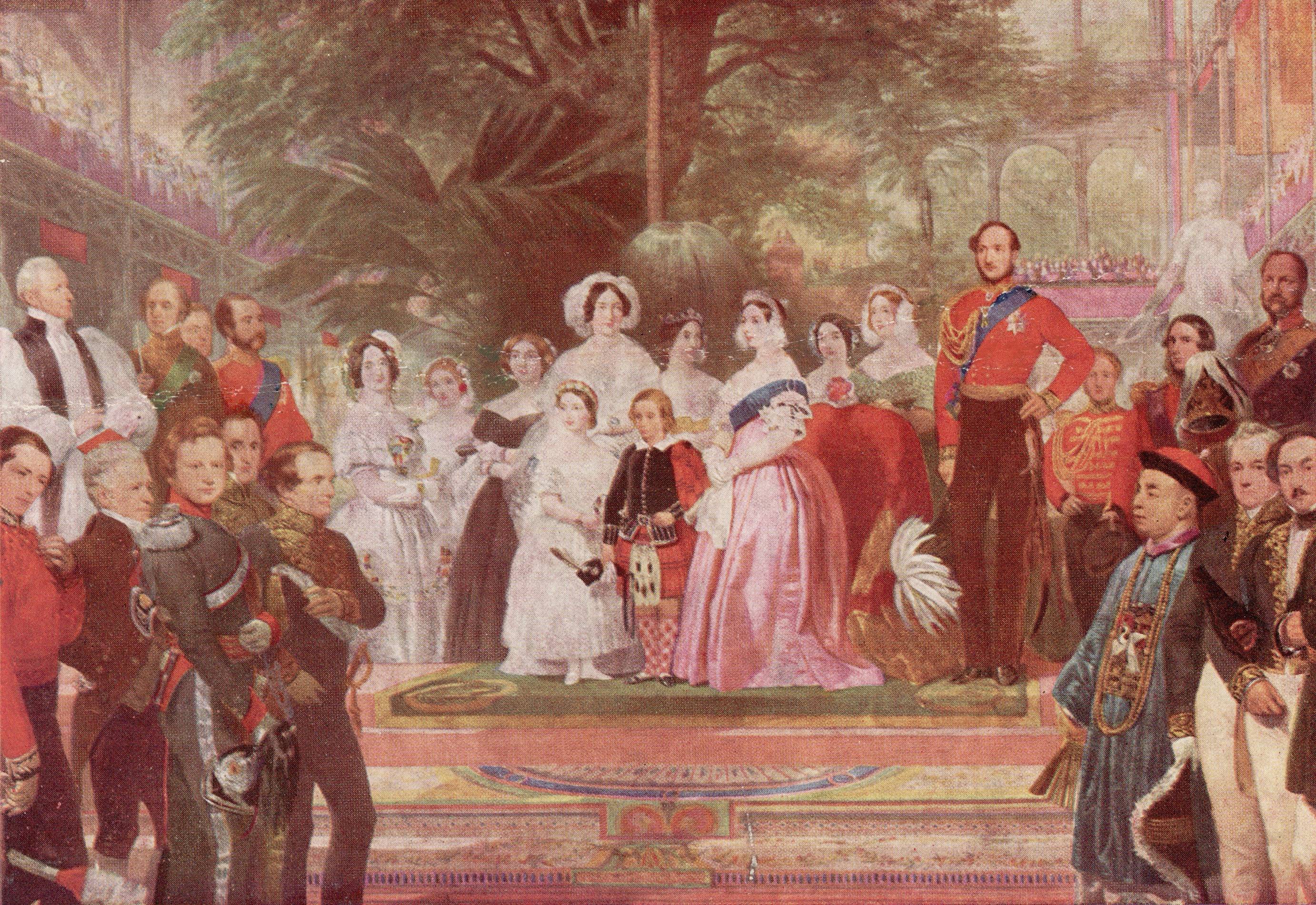
“The Opening of the Great Exhibition” by Henry Courtney Selous
From Victoria & Albert, 2001, A&E Television Networks & British Broadcasting Corporation (BBC)
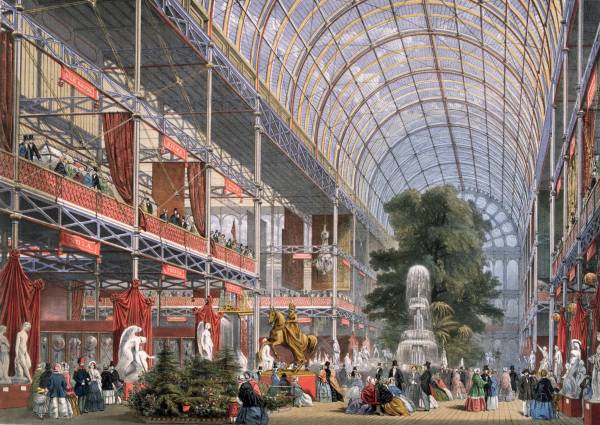
Transept of the Crystal Palace. (Getty Images)
Now, look at the background of the cover of Follow the Heart.
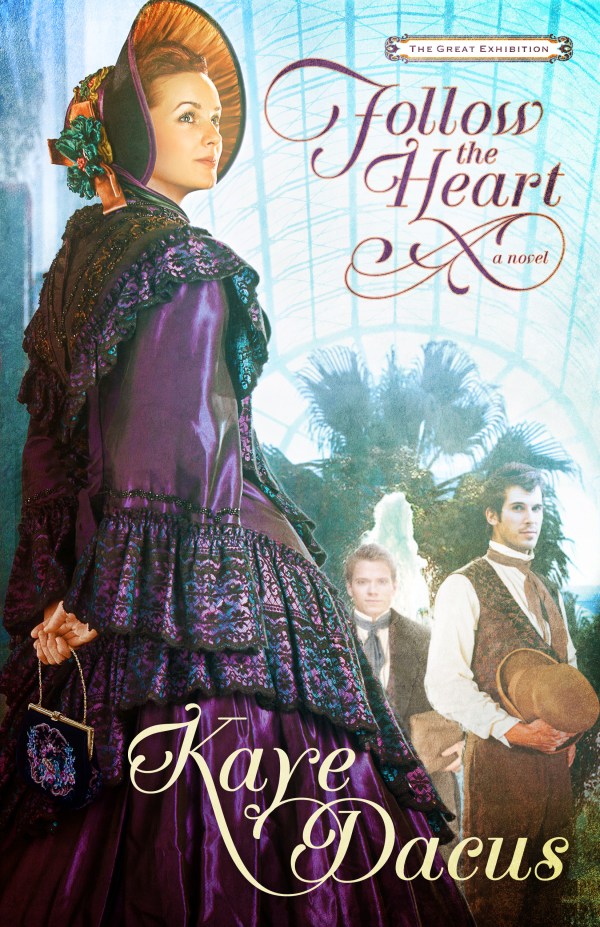
Didn’t the designer do a fabulous job?
Fun Friday—You Might Be a Writer If, Bonus Edition
It’s been a couple of years since I’ve done a “You Know You’re a Writer If . . .” post. So, here we go!
~~~~~~~~~~~~~~
- You try new foods or beverages because it’s something your character likes.
- You cannot attend a concert without having something to write with—because you can’t sit and listen to music for that long without writing.
- Your friends put your photo on a milk carton every time you’re on deadline, because you tend to disappear for a couple of weeks.
- “Taking a vacation” means going somewhere else . . . and writing there, too.
- You would rather do your (very complicated) income taxes than write a synopsis.
- You stay for the movie credits/pause the DVD/look at the full cast & crew list on IMDb to collect cool names for your future characters.
- You can’t bring yourself to read your published books because you’ll die of embarrassment when you discover the typos, grammar errors, and plot holes you know must be in there.
- You’ve figured out how to write off just about every expense in your life as writing-related.
- You know that “royalty statement” doesn’t actually mean you’re making royalties.
- You have a brilliant idea for your story—but no time to write it down. Then, when you do sit down to write, you remember you had an idea, but you can’t remember what it was. And you stress about it so much you get no writing done. Then you wake up in the middle of the night and remember what it was—and it’s the stupidest idea ever.
- You close your eyes and pantomime the actions of your characters so you can describe them accurately. And you really don’t care what everyone else at Panera thinks about this.
- Your dreams are occasionally mashups of characters and situations from the different stories you’ve written.
- You narrate events in your own life, as they happen, in third person—she said wryly.
- You laugh wickedly and rub your hands together when you write a great conflict scene that you know will drive your readers to the edges of their seats.
- You know of and are in love with one or more of the following: One Note, Evernote, Quick Office, Scrivener, Story Weaver, or Dramatica Pro.
- You constantly worry whether or not people who don’t really exist are too nice or if they need more flaws.
- Then, there are the characters you don’t have to worry about—because they’re not afraid of insulting you or saying nasty things to you, repeatedly.
- You know why the words “she requested a full” can bring squeals of joy to a table full of writers.
- You carry at least five pens with you at any given time—because four of them may run out of ink when that idea strikes.
- When your family member shares their new baby’s name with you, and you tell them they can’t use that name because you’ve already called dibs on it for a character in your next book.
- You’ve ever tried to direct yourself to dream about your story by forcing yourself to think only about your characters as you’re falling asleep. (Bonus points if this actually worked.)
- You’ve thought of ten other things I didn’t mention here . . . so please list them in the comments!
More “You Know You’re a Writer If . . .” Posts:
You Know You’re a Writer If . . .
More You Know You’re a Writer If . . .
Even MORE You Know You’re a Writer If . . .
You Know You’re A Writer If, Extended Edition
The Great Exhibition—The Crystal Palace
Over the next several months, I’m going to take some time to share details and tidbits I’ve learned while researching the era and events of 1851 for the Great Exhibition series. Mostly, it’s a chance to share all the wonderful pictures I’ve been collecting over the past couple of years.
So, let’s start with the Crystal Palace.
As we learned in the scavenger hunt over the weekend . . .
After reviewing and rejecting dozens of potential designs for the building to house his exhibition, Prince Albert had all but given up. But then he received a rough sketch on a scrap of paper from Joseph Paxton, the man who had designed the state-of-the-art greenhouses at Chatsworth. Prince Albert not only liked the innovative design, but appreciated the fact that the greenhouse design would allow them to build around the existing ancient elms and oaks in Hyde Park instead of cutting them down. Because of its glass-and-iron construction the building came to be known as the Crystal Palace.

Exterior view of the Crystal Palace from Dickinson’s Comprehensive Pictures of the Great Exhibition of 1851 (published 1854).
Construction on the Crystal Palace began in August 1850 and was predominantly finished in January 1851. “All these Commissioners and the Executive Committee etc. who had worked so hard and to whom such immense praise is due, seemed truly happy, and no one more so than Paxton, who may feel justly proud. He rose from an ordinary gardener’s boy! Everyone was astounded and delighted” (Queen Victoria).

Half front/half back elevation and partial floor plan
drawn by Joseph Paxton
The Crystal Palace was enormous, covering over 830,000 square feet—about 1,850 feet long and 450 feet wide, with the majestic glass transept in the center soaring about 100 feet (about ten stories) into the sky. “The impression when you get inside is of bewilderment. It looks like a sort of fairyland. Far as you can look in any direction, you see nothing but pillars hung about with shawls, carpets, canopies…” (Lewis Carroll).
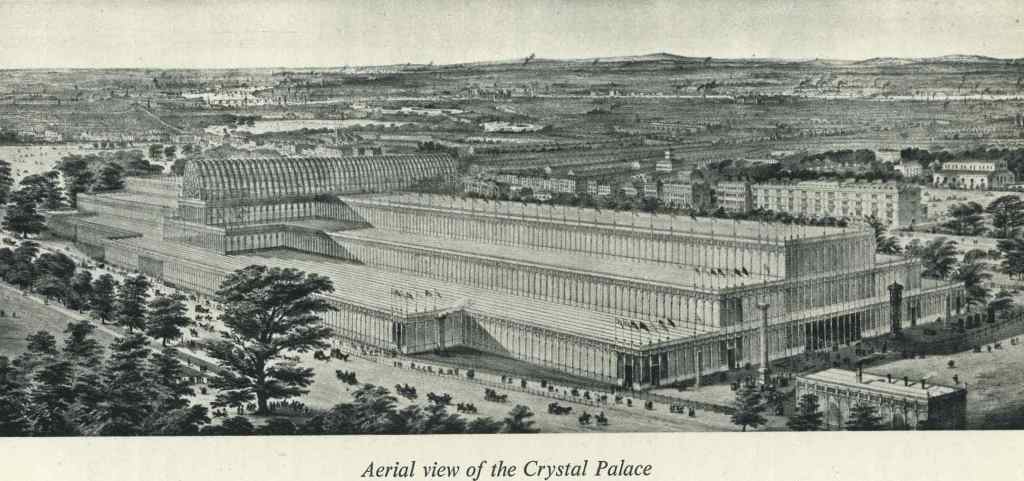
Image from pages.uoregon.edu
Book-Talk Monday: Third Time’s a . . . Dud
The stand-alone book is becoming more and more unusual. Readers, and therefore publishers, clamor for series—whether it’s a continuing story series (like my Ransome Trilogy) or a series of books interrelated by theme (Debra White Smith’s contemporary re-tellings of Jane Austen’s novels), setting (Susan May Warren’s Deep Haven series), characters (Dee Henderson’s O’Malley series or my contemporary trilogies), an event (my Great Exhibition series), etc.
Most of us who are avid readers either know when we pick up a book that it’s part of a series, or we’re savvy enough to realize when a certain secondary character is given just a little too much attention that they’re being groomed for a sequel/follow-up book. And, frankly, most of us enjoy that. I love it, both as a reader and as a writer. It’s one of the reasons we get drawn into TV series—we become attached to that setting, those characters, that setup. We like consistency. We’re most comfortable with what we know, and in a series, we get the comfort that comes from knowing.
Another reason we like book series is because an author can use each book in a series to drive it toward a big finale. The ultimate mystery that runs through the series. The final battle. The ultimate happy ending. And it’s the anticipation of that kind of ending that keeps us reading a series.
But what happens when the last book in a series is a big letdown?
Five years ago, I was caught up in Harry Potter mania. I’d pre-ordered my book from B&N and went down and spent the evening at the store so that I could get in line at midnight and get my copy of the book the moment it released (well, about forty-five minutes after the moment it released). I rushed home and stayed up most of the night reading. But I’ll admit—I was nervous. I was afraid of being disappointed in the way that Rowling decided to bring the story and the running conflicts in the series to a satisfying conclusion. But I needn’t have worried. I loved it.
Then, in 2009, before the last season of LOST started, I had that same nervousness. And as the season progressed, my nervousness increased. Not only were they not resolving the previous five seasons’ worth of unresolved conflicts, they introduced a bunch of new ones. When the series finale first aired, I had a huge emotional reaction—but I walked away disappointed because they didn’t end it the way I expected/wanted—with every conflict resolved and every question answered. (I’ve later come to appreciate the closure the finale brings to the character arcs, but it still annoys me that they didn’t bother to actually give the answers to most of the questions they’d strung us along with for several years.)
Now, this year, I’ve read two series—totally different in theme/tone from each other—that left me dissatisfied. No, not just dissatisfied; they left me wanting to hurl the third book across the room. (But I didn’t, since I read one on my Kindle and the other was an audiobook and I was listening to it on my iPad.)
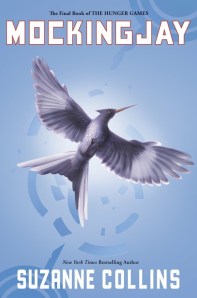 Before the first movie released, I wanted to read The Hunger Games. So I “borrowed” it from Amazon (I’m a Prime member). I devoured it in less than two days. It’s one of the three highest-rated books I’ve read so far this year at 4.5 stars (you can see my star-rating matrix here). A month later, when I was eligible to borrow another Amazon book, I downloaded Catching Fire. While I didn’t enjoy it quite as much as the first book (review here), I read this one in less than twelve hours and was still excited to see where the series was going. So the next month rolled around and I borrowed the final book in the series, Mockingjay. Unlike the first two books, which I couldn’t put down, I had to make myself pick this one up to read. I was so disappointed with the change in tone and characterization of the first-person narrator, Katniss, that I actually found myself wishing she’d die and that the POV would switch to Peeta or Gale or even Haymitch. I am looking forward to the film adaptation, though, for the very reason that it can’t do what the book did—camp out inside Katniss’s head and give us nothing but page after page of meandering and repetitious angst.
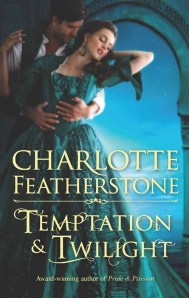 In July, I started reading another trilogy—this time a general-market romance trilogy. The covers are gorgeous, and I’d read stellar reviews of the first book. I downloaded the audiobooks and got started with the first one—and loved it. (Review here.) So much so that I immediately downloaded and started listening to the second book. It was even better! (Review here.) I found myself looking for excuses to listen to it—even just for a few minutes while warming up dinner in the microwave or instead of actually visually reading something else at bedtime. Then the second book ended on a cliffhanger. And wouldn’t you know, I didn’t have any credits at Audible. As a member, I get a discount on the retail price, but I’m accustomed to using the one credit I get each month to “pay” for my audiobooks. But it ended on a cliffhanger. I needed to know what happened next. So, I made the decision not to wait three weeks until I got my next credit and go ahead and buy the audiobook (since it’s relatively new and not yet available in my public library system). And then it happened again . . . I found myself not enjoying the book I’d so highly anticipated. This one for a different reason (review here).
Is the disappointment in a book greater when it’s the last book in a series that we’ve loved up to that point?
In some situations, I think it is. Had I read the third book of the romance series first, I might have enjoyed it more. (Though one of the problems I had with the book was the fact I didn’t like the hero at all.) Had I picked up Mockingjay as a standalone book and tried to read it, I wouldn’t have forced myself to finish it. It represents everything I don’t like about (a) first-person narrative and (b) teen dystopian fiction.
We obviously have higher expectations for a book when it’s part of a series we already love. We become proprietary. We imagine things working out a certain way. We want to savor the same emotions we’ve felt reading the other books in the series. And when a final book in a series doesn’t live up to our expectations, there’s more of a sense of letdown than when it’s a single-title story that we don’t like quite as much as we expected to.
Does being disappointed with the last book in a series taint how you feel about the whole series afterward?
We all know how important first impressions are—but what is it that folks walk away with? What if you have a fabulous meal somewhere, but then the dessert comes. It looks a mess and the pastry chef accidentally substituted salt for sugar and the cream used was starting to sour. No matter how much water you drink, you can’t quite get rid of that salty, sour taste. What will you remember most about that dining experience? Would you go back to that restaurant? Recommend it to friends?
But what if it’s a restaurant you’ve eaten at multiple times—and you have favorite dishes you order each time—but this dessert was new, so you excitedly decided to try it. Will you go back to that restaurant? Recommend it to friends?
It’s the same for me with series. When every book is out and I read them all straight through and I’m disappointed with the last book, I’m more likely to never pick up any books in the series again to re-read. And I’ll probably be wary of that author in the future. When it’s a series I start reading when it first comes out—or when just a few of the books are out—and I have the opportunity to re-read them (sometimes many times) before the last book releases, I’m much more likely to remember the books in the series that I love rather than focusing on my not-so-great reaction to the last one. It’s easier to write that last one off as a fluke.
What about you? How do you feel when the last book in a series is a disappointment?

 KayeDacus.com