#FirstDraft60 Day 12: Character Backstories #amwriting #nanoprep #nanowrimo
 As the culmination of everything we’ve done with our characters this week, we are going to pull everything we know about them together and write down—and discover more through the process—their backstories. One of the worst things we can do in our writing is not develop our characters well. This comes either from a lack of knowledge of how to do it or not spending enough time getting to know the characters at a deeper level.
In Noah Lukeman’s writing craft book The Plot Thickens: 8 Ways to Bring Fiction to Life, the first THREE chapters of eight are about characterization. There are dozens of books on the market about characterization—to help with everything from naming them to giving them careers to describing what they look like. That’s in addition to general books about writing that contain chapters or entire sections on building believable characters.
“Begin with an individual and you will find that you have created a type;
begin with a type and you will find that you have created—nothing.”
~F. Scott Fitzgerald
What Fitzgerald was saying is that if our characters do not stand out as unique individuals—if instead they fall into “types”—then our writing will be empty.
On a road trip with my family more than thirty years ago, we took along a little questionnaire booklet called “So, You Think You Know Your Parents?” Instead of just trying to answer all the questions ourselves, my sister and I used it as an opportunity to get to interview our parents to get to know them better. The beginning of it contains questions like:
When are your parents’ birthdays?
What cities and states were your parents born in?
Were they named for anyone?
Did they have childhood nicknames?
What was their favorite subject in school?
When they were children, what did they argue most about with their parents?
How did they meet?
Where did they go on their first date? (My parents went to see The Sound of Music for their first date. Is it any wonder I love that movie?)
And so on. Later in the booklet, the questions get a little more in depth:
If your parents found a wallet with $100 in it, would they try to find its owner or keep the money?
What one food do your parents absolutely refuse to eat?
Are they open to changing their minds after making a decision?
What was the happiest moment in each of their lives? The saddest? The funniest? The scariest? (My dad’s being sent to Vietnam, for both of them.) The most embarrassing? The most important?
What irritates them more than anything else?
What do they worry about more than anything else?
Do they always believe “honesty is the best policy”?
What would they say is their worst habit?
What part of the newspaper do they read first?
What do they think about when they daydream?
“When the characters are ready, the story will come out of me.”
~Jeff Shaara
There are as many different ways to go about learning who your characters are as there are writers. Many writers talk about “interviewing” their characters during the development process. Here are three examples I have run across:
Character Background Worksheets
Character Chart
Character Profile Worksheet
I have tried each of these over the years—and while they’re fun for characters who come to me, but whose stories I do not plan to write immediately, I don’t usually bother with them . . . I find that much of what’s on them isn’t relevant to my particular character or the story I’m developing.
Rather than rely on charts or interviews, I go through the process I’ve taken you through this week. I start at the macro level—determining the basics about the heroine and hero from their jobs to their physical attributes—and then I start focusing in on more specific details (such as S.H.A.P.E.). Then I get down to the micro—I write out the character’s entire backstory: their family background, where they grew up, what they were like as a child/teen/young adult, where they went to school, what their interests were, and so on. For example (from Stand-In Groom.):
Anne Hawthorne
- Born and raised in Bonneterre, Louisiana.
- Her parents were world-renowned magazine photographers who traveled extensively and left her with her grandparents or her mother’s brothers or sister. Anne begged her parents to take her along, but they went places with unstable governments, diseases, etc., that they didn’t want to expose her to. This left Anne with the subconscious feeling of being unloved and that she had to work to earn her parents’ love.
- For the first years of her life, she spent a net total of about six months a year with her parents.
- When she was eight years old, they surprised her with a trip with them to Washington, D.C. for the 4th of July. The commuter plane they were on to get from Bonneterre to New Orleans crashed. Only Anne and one other person out of 25 survived.
- For a year, while she recovered from her burns and injuries, Anne lived with her grandparents, at their rural home outside of the city. Her grandmother, a retired teacher, tutored her, and when Anne was tested to determine what grade she should go back in, she was able to skip ahead a grade.
- Because her grandparents lived so far out of town, Maggie, Anne’s mother’s only sister, and her husband offered for Anne to come live with them. While Anne loved her aunt and uncle and their four sons, she never allowed herself to become completely attached to them, not knowing when or if they might get tired of her and send her to live with someone else. After all, when her parents would leave her behind when they traveled, she would get bumped from home to home until they came back.
- The scars from her burns ran up the left side of her neck and onto her cheek. The teasing from the other children in school made her turn inward and become very isolated. Her cousins tried to protect her, but the other kids knew better than to do it around them and Anne didn’t talk about it. She also got teased about reaching her full height of 5’11” by age 13 and being larger-sized than was considered popular.
This is just the beginning of three pages that explain who Anne is and what her psychological makeup is.
Even though I’m behind on a few other of the character assignments—such as SHAPE—I do have a bit of backstory on both of my main characters:
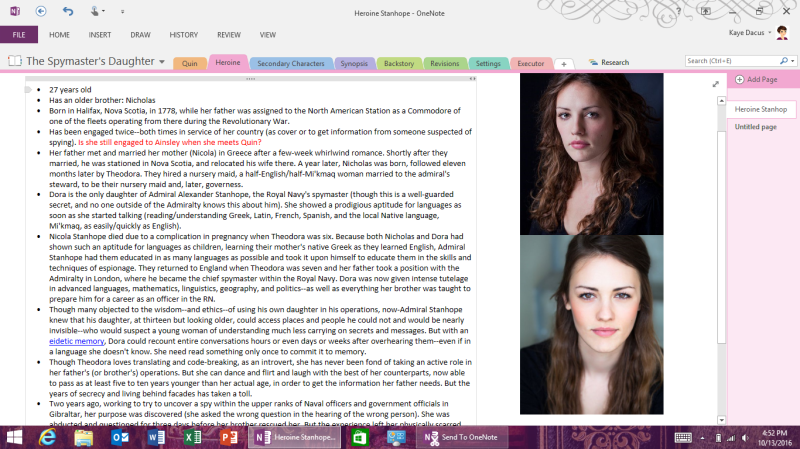
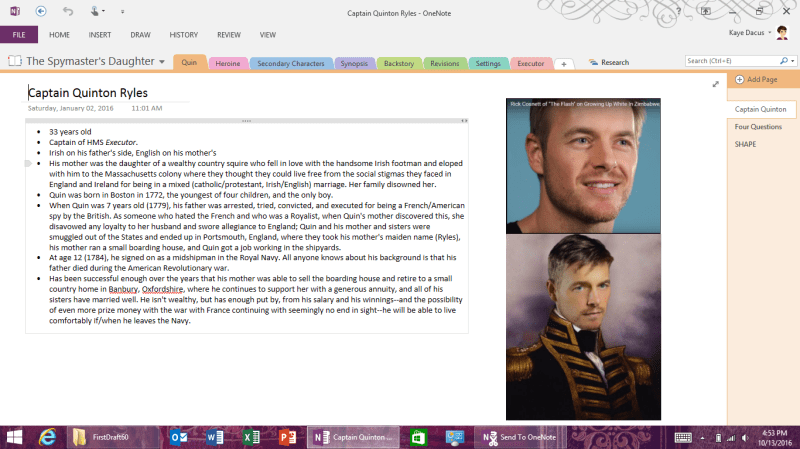
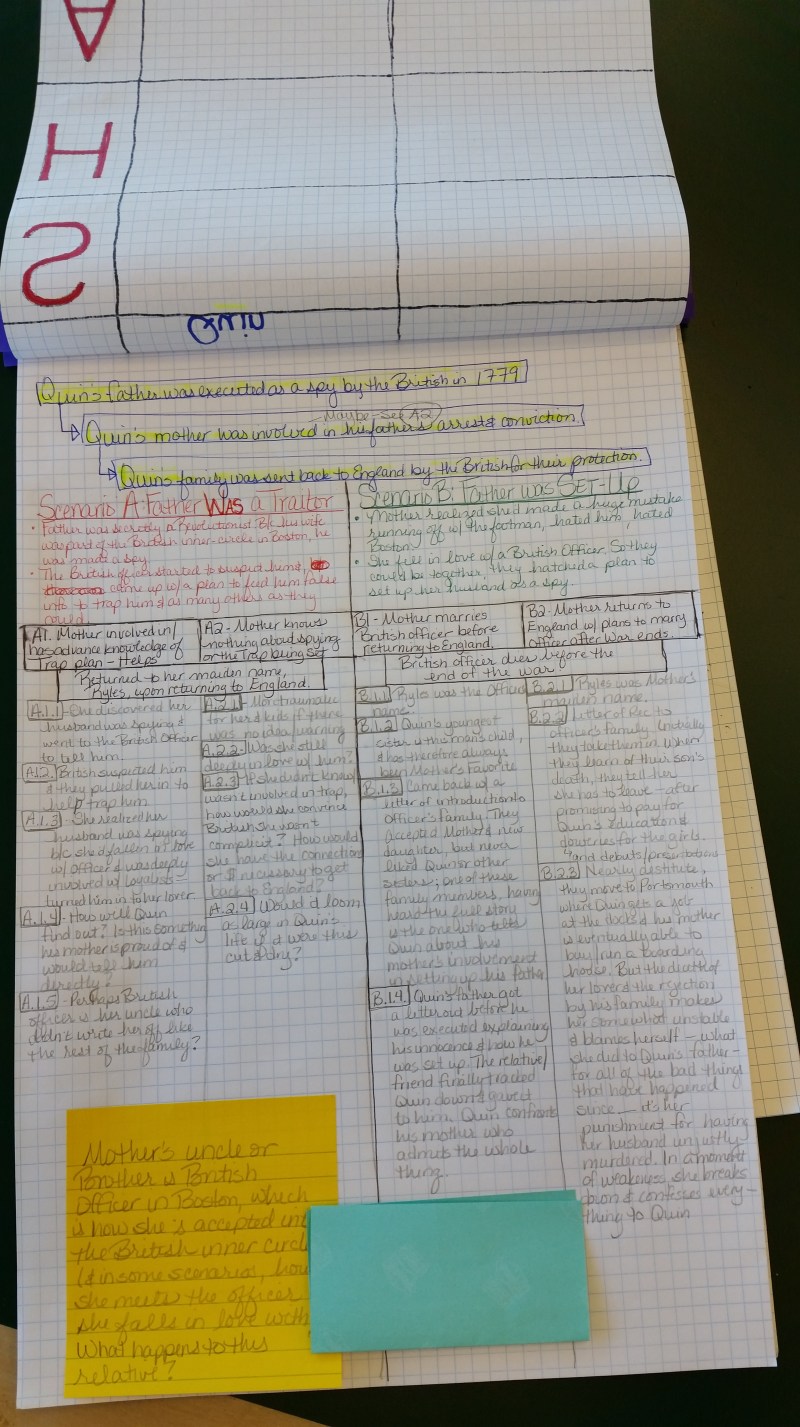
When it comes to Quin’s backstory, I did spend some time last weekend writing out four different scenarios of his family history (his father was executed as a traitor by the British during the war with the North American colonies in 1779). I’m just not sure exactly what happened, and whichever way it played out, each scenario has a different impact on Quin’s character.
Does your character feel like a real, unique person to you? Do you feel like you know enough about him or her as a person that you’d be able to answer any of the questions I listed above? Have you interviewed your character and yet feel he or she is holding something back from you? Have you delved deeply enough into the backstory to truly know where the character is coming from? What techniques/books/questionnaires do you use to get to know your characters?
Assignment: Write out the full backstory (as full as you can make it at this point) for each of your main/viewpoint characters.
For Discussion:
What did you learn about your character(s) through the process of writing out the backstory that you didn’t know before completing this exercise? Did it give you any ideas for plot points or scenes that you can include in your story? w=800
#FirstDraft60 Day 11: Ambitions, Inducements, & Entanglements #amwriting #nanoprep #nanowrimo #gmc
There are a couple of things lurking in the work you’ve (hopefully) already done up to this point which will be important to dig out and define at this point. No matter how wonderfully complex and well-developed a character is, readers won’t care about her unless they can identify with what she wants, what she is willing to do to get what she wants, and how she faces the challenges and obstacles that conspire to keep her from getting what she wants—otherwise known as Ambitions, Inducements, and Entanglements. You’ve never heard that turn of phrase before? Maybe you’re more familiar with the phrase . . .
Goals, Motivations, and Conflicts
“Every character should want something, even if it is only a glass of water.”
Kurt Vonnegut
As you look back through the prep work you’ve already done over the past ten days, your main characters’ goals (what they want in the story) and their motivations (what makes them want what they want and what prompts them to go after their goals) should start becoming clear. It’s the conflicts (what keeps them from getting what they want for a few tens of thousands of words) that develop more slowly. But while it’s the conflicts that are the driving force behind your story, you must develop good goals and motivations for your characters as well.
It’s not interesting to read about someone who doesn’t want anything, who has no ambitions (goals). The stronger the ambition, the more likely the character is going to pursue them (motivations). The greater the ambitions and motivations, the more opportunities for that desire to be thwarted (conflict); therefore, the more interesting the story.
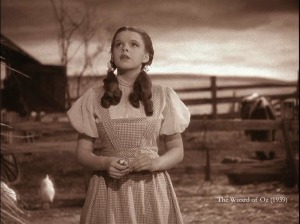 Think about The Wizard of Oz. In the opening (B&W) part of the movie, Dorothy’s goal is to leave the drudgery of life in a Kansas farmhouse and go “Somewhere Over the Rainbow.” Almost immediately, the fulfillment of this desire is thrust upon her in a somewhat violent and traumatic manner. Desire met. Story over, right?
Of course not! Once Dorothy arrives in Oz, the story turns to a focus on what motivates her to “follow the yellow-brick road”—the desire to get back home to Kansas (this becomes her story goal). If she attained the story goal as quickly as her initial desire was fulfilled, if she followed the yellow-brick road all the way to the Emerald City with no one to stop her—even if she did meet the same quirky folks along the way—it would not be a very interesting story (nor take very long to tell!).
Sol Stein describes plotting at its most basic as “putting the protagonist’s desire and the antagonist’s desire into sharp conflict. . . . think of what would most thwart your protagonist’s want, then give the power to thwart that want to the antagonist” (83).
Along her journey, in Dorothy’s quest to fulfill her desire, she meets with one conflict after another brought upon her by the main antagonist of the story, the Wicked Witch of the West. But the witch wasn’t thwarting her just to thwart her. She had a desire as well: to retrieve the magical ruby slippers which were on Dorothy’s feet and held the key for Dorothy’s return home.
Dorothy’s desire (home) is one that everyone can understand; it’s what Stein calls universal: “The wants that interest a majority of readers include gaining or losing a love, achieving a lifetime ambition, seeing that justice is done, saving a life, seeking revenge, and accomplishing a task that at first seemed impossible” (84).
In my genre, this universal desire is built in: gaining a love. Love, money, and power, according to Stein, are the three themes which create the greatest conflict, which is perhaps why the romance genre makes up more than half of all popular fiction sold. However, “falling in love” is not usually the main desire of the main characters of a romance novel.
In my contemporary romance, Stand-In Groom, Anne’s desire is to run a successful business, remain independent, and perhaps—after ten years of living with the regrets and bitterness of a broken engagement—“create her own happy ending.” So what antagonist comes up against this desire to create conflict? Why, that would be the hero, George Laurence, who comes to town desiring nothing more than to fulfill his contractual agreement to his employer to (a) plan his famous employer’s wedding and (b) keep the media from learning that his employer is getting married. Why do these two desires come into conflict? Because Anne and George are attracted to each other, and Anne believes that falling in love with the “groom” of the biggest wedding she’s ever planned will ruin her business.
Now, as we discussed in the Goals vs. Dreams series, it’s all well and good to have desires (dreams), but in order to fulfill those desires, one must set and achieve goals.
Your Characters’ Goals
Just like with writing, once we know our characters’ desires (dreams), we must set actionable, personally achievable goals to set the characters on their paths as the story moves along.
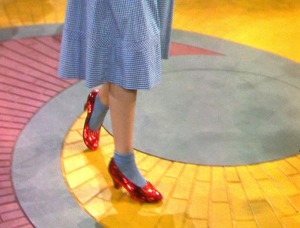 Let’s go back to The Wizard of Oz for a moment. While getting home to Kansas is Dorothy’s driving desire, her specific, personally attainable goal for the purpose of the active plot is to make it from Munchkinland to Emerald City to seek help from the Wizard of Oz. Because there are multiple other characters with their own desires—and, thus, goals—Dorothy’s road to fulfilling her desire by working toward a specific goal is filled with conflicts. These conflicts seem like they might keep her from achieving her goal; but she finally reaches Emerald City and meets the Wizard.
But rather than fulfilling her desire, the Wizard gives her a new goal: to get the Wicked Witch’s broom stick and return it to the Wizard. She accomplishes this goal (“I’m melting. . . .”); and just when it seems like Dorothy will get to go home, after teary goodbyes, her desire is once again thwarted by the balloon taking off without her in it—she has achieved her goals, big and small, but not her overall desire. Enter Glenda the Good Witch who explains that the means to gain her desire was always within Dorothy’s reach—the ruby slippers. Once Dorothy learns that “there’s no place like home,” the story comes to its (somewhat) satisfying conclusion. (Am I the only one who ships Dorothy and the Scarecrow?)
Your character’s main desire shapes
his or her goals for your story.
In Stand-In Groom, Anne’s primary goal for the first part of the novel is to plan a wedding with a limitless budget, thus ensuring the future of her business, while her secondary goal is to fight her attraction to the man she thinks is the groom. When she discovers he isn’t the groom, her secondary goal changes to trying to trust him again (while continuing with the main goal of planning the wedding); after all, George has been dishonest with her about his identity for several weeks. Then, when she discovers the true identity of the groom, her secondary goal changes again. And, along the way, her desire changes to focus on putting happiness in her personal life first and her business second. While the hero and the man he works for (the groom) aren’t necessarily “villains,” it is through their actions—the hidden identities and goals of their own—that Anne’s desires and goals seem to be thwarted, which makes them antagonists.
Your characters’ desires and goals are all well and good, but if they have no motivation to follow-through and overcome the conflicts that arise, you have no story.
Your Characters’ Motivations
Go back through all of your prep work that you’ve done so far. Now is the time to start asking why. Why is your character who she is? Why does your character want what she wants? Why does she set the goals she sets, and not other goals, in order to reach those desires? Why is this goal the one that she’s willing to go to twelve rounds to achieve? And so on.
There are several aspects of your characters you need to work on and identify in order to determine what their motivations are (and this is the time to release your inner four-year-old and constantly ask “why?”). Let me refer you back to this:
- What is her main goal/desire?
- What will she do to attain it? (go deep here)
- What will she do when she meets resistance?
- How far will she go to achieve her goal/desire? (keep going deeper)
- What internal hindrances does she have that could keep her from achieving her goal? (Dig deeper than just fear—what is the root cause of the fear? What happened in the past to give her this fear?)
- What external hindrances could keep her from achieving her goal? (This can be the antagonist . . . or even the hero or other main character, family members, cultural restraints, geographic constraints, finances, etc.)
- Is there anything that could happen that would make her relinquish her goal? (If so, then you need to start over at the beginning, because this goal isn’t the right one.)
- Is this goal something she would sacrifice everything—her health, her wealth, her family, even her own life—to achieve? (Make her prove it by putting her in one or more of those situations.)
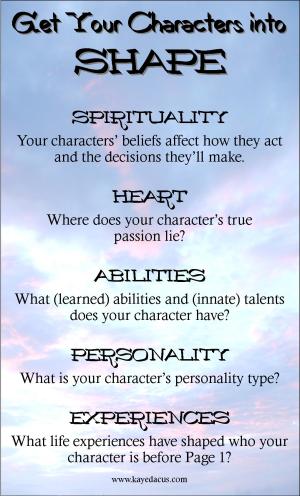
Just remember—this is a tool, a building block. Because no matter how detailed I get with SHAPE, or any other prep work we’ve done or will be doing, I always have a few revelations about my characters as I’m writing the story—things I never would have known about them until they were faced with a conflict and forced to own up to something from the past they kept deeply hidden, even from me, whether it’s a desire the character kept hidden from me, or the character telling me there’s a better way to structure his goals in order to achieve his desires because of something in his personality type or an ability or experience I don’t learn about until halfway through the draft.
Assignment 1: Answer the following questions for each of your viewpoint/main characters:
Conflicts
The conflicts in your story are the points that make up the majority of your plot. You will need minor conflicts (resolved in one or two scenes) and major conflicts—those that affect the outcome of the story. Rather than repeat myself, here’s a post that explains the difference between them and the necessity for each type of conflict:
Generating Conflict and Collecting Narrative Debt
In another series of posts, I have discussed conflict at length, and this is where Goals, Motivation, and Conflict come into union with each other:
It’s Good to Be Conflicted
Conflict: Thematic vs. Actual
Conflict: Desires and Goals
Conflict: Move That Bus!
Assignment 2: For each character’s main story goal, determine what the main conflict is that will keep them from easily attaining their main story goal—and who or what presents that obstacle/challenge/conflict to the character.
__________________________________________
Works Cited:
Stein, Sol. Stein On Writing: A Master Editor of Some of the Most Successful Writers of Our Century Shares His Craft Techniques and Strategies. New York, NY: St. Martin’s Press, 1995. Print.
#FirstDraft60 Day 10: Your Characters’ Physical Descriptions #amwriting #nanoprep #nanowrimo
Sorry this post is so late—I’ve been fighting a migraine all day, and it was all I could do to get through what had to be done for my day job before seeking refuge in bed for a couple of hours. Today we’re going to get into what is, to me, one of the most fun parts of prep work—figuring out what our characters look like!
Part 1: Casting Your Characters
There is absolutely no point whatsoever in me repeating what I’ve posted before about casting your characters, so here are the links to the series:
Be Your Own Casting Director—Choosing and Using Real World Templates (RWTs) to Help with Character Development
-
Character Development for Visually Oriented Writers; or, Be Your Own Casting Director
Be Your Own Casting Director: 4 Methods of Character Casting
Be Your Own Casting Director: Creating a “Casting Book”
Be Your Own Casting Director: Using Real World Templates in Character Development
Be Your Own Casting Director: Isn’t This All Just a Big Waste of Time?
I use a combination of pinning images of the Real World Templates to my story board on Pinterest, as well as placing reference images on the characters’ pages in my story bible . . . and I also usually set up a PowerPoint into which I save images of the characters—these are typically screen shots of the actors with certain expressions or body language that evoke ideas for my characters’ development or even for certain scenes. Examples of these can be found in the series posts above.
For my current story, here are the Real World Templates for my main characters.

Rick Cosnett as Captain Quinton Ryles
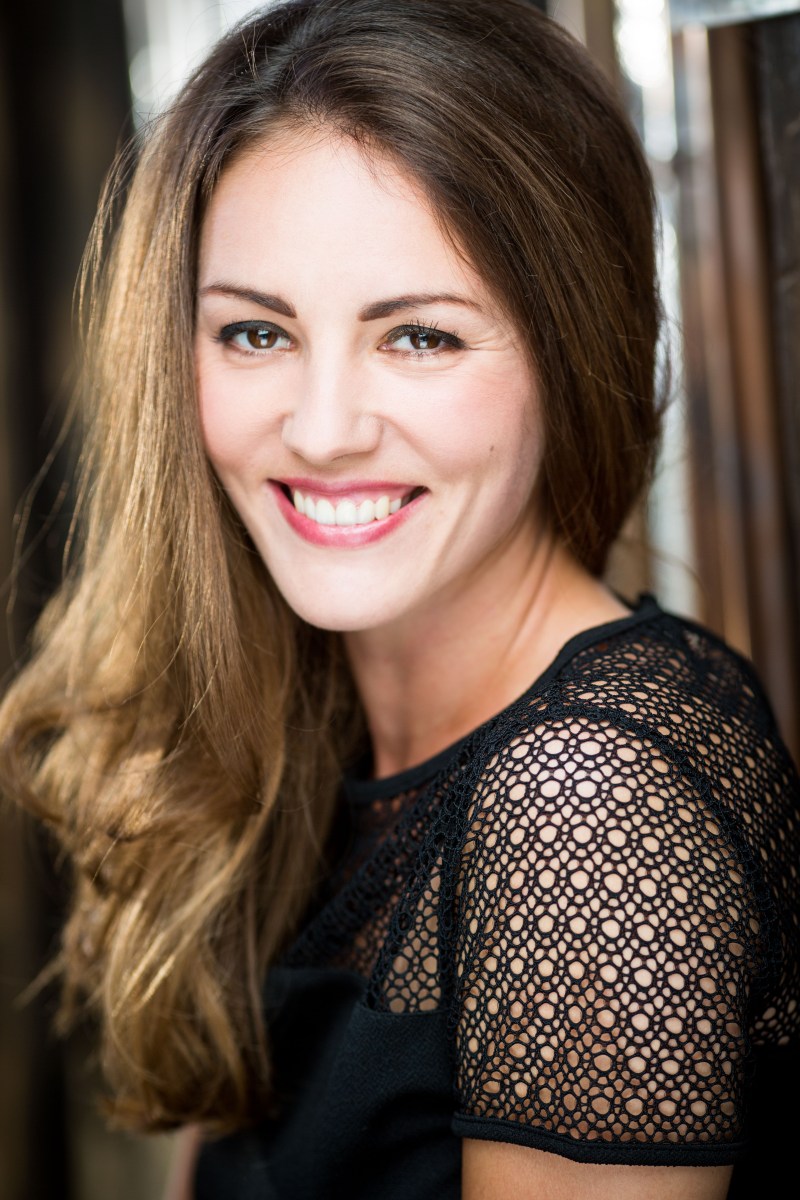
Emma Connell, Template for my Heroine
Part 2: Describing Your Characters
If you haven’t already done so, it’s time to put the full description of each of your main (POV) characters into your story bible, as well as any details you might know about your secondary characters. If you do already have some of this, go back and make sure you have all of it—and see if there are ways in which you can make your characters’ looks more unique.
Create a page/folder/section for each character so that the info isn’t running together and so that they’re easier to find.
Here’s what this part can include for each main/POV character:
Full Name:
Age:
Date of Birth:
Height:
Hair Color:
Eye Color:
Body type: (stocky, muscular, athletic, full-figured, slender, emaciated, etc.)—from the character’s viewpoint and in others’ opinions, if that’s important
Distinguishing marks/features:
Scars/deformities:
Body art/piercings/modifications:
Repetitive/habitual physical quirks: (i.e., biting fingernails, grinds teeth, pops knuckles, rolls neck when stressed, leg bounces/can’t sit still, etc.)
Include image(s) of the Real World Template for the character if you have them. If not, there’s no time like the present to cast your characters.
Obviously, because I’m running so far behind with this post today, I haven’t had a chance to get started yet, though I do have a little bit of this in mind because I have been working on this story idea for a while. It’s just a matter of writing it all down in this format.
Assignment: Add your characters’ physical description (using the above “chart” or something of your own making) to your Story Bible. Cast your characters, if desired.
FOR DISCUSSION:
What did you learn about your character(s)’ physical appearance that you didn’t know before this exercise?
#FirstDraft60 Day 9: Monday Motivation–Don’t Think. Just Write. #amwriting #nanoprep #nanowrimo
Mondays are the day of the week on which I need the most motivation to get going with anything, whether it’s work or writing or any other responsibilities/obligations I may have. So on Mondays, we’re going to take the time for some “motivational speaking,” whether from me or from other writers.
Today, I’m actually going to refer you back to a post from last year’s FirstDraft60 for that motivation.
Assignment 1: Read the post “Don’t Think. Just Write.” and go through the exercise there, determining what you do during writing that’s “thinking” (or analytical) and what you do that’s “creative.” How can you balance these in order to unleash your creativity when it comes time to write in November?
Assignment 2: Review last week’s assignments (listed below) and work on anything you haven’t finished yet. What project last week was most helpful to you? Which one do you still need to put more work in on?
Assignments/Projects from Week 1:
Day 1: Answer the guided questions and considerations.
Day 2: Figure out how you’re going to keep track of your revisions, style info, and research—and go ahead and set them up as best you can.
Day 3: Set up your Story Bible including sections for characters, settings, and props.
Day 4: Set up sections in your Story Bible for your story’s outline/structure and synopsis and for a calendar/timeline for the events in your story.
Day 5: Get yourself more organized with lists!
Day 6: Answer the Four Character Building Questions for your main character(s).
Day 7: Create a S.H.A.P.E. chart for your main character(s).
Day 8: Week 1 Reflections
And don’t forget to check in below with your progress/questions/comments!
#FirstDraft60 Day 8: Week 1 Reflections #amwriting #nanoprep #nanowrimo
We hit the road running this week and haven’t had a chance to take a break—and the last two days’ posts are somewhat time intensive, I know, as I haven’t finished my SHAPE charts for either of my main characters yet. As we move on in the challenge, weekends are going to be our time to catch up—along with continuing to take what we’re doing daily and build upon it.
Here’s what’s coming up this week in FirstDraft60:

Today, it’s time to take a bit of a breather. That doesn’t mean that you must take a break from writing today unless you want to if that’s how you’ve structured your writing time for this challenge. But there’s a reason why we’re told to take a day of rest. We need to rekindle our flame, take care of ourselves, relax, and have a day on which we’re not pressuring ourselves to produce, produce, produce.
So here are a few questions to help you continue to stay in the “write every day” mindset by reflecting on what you accomplished in Week 1 of the challenge. Feel free to answer them here with as much or little detail as you’d like; or answer them on your own blog or on Facebook. Or just write the answers down in a private journal or notebook. The important thing is to actually think through and write down your answers.
Reflections on Week 1:
1. What was/were your goal(s) for what you wanted to accomplish in the first seven days of the challenge?
2. What did you actually accomplish?
3. What are you most proud of accomplishing in Week 1?
4. What can you challenge yourself to improve on in Week 2?
I look forward to seeing your answers and will be posting mine soon.
#FirstDraft60 Day 7: Getting Your Characters into S.H.A.P.E. #amwriting #nanoprep #nanowrimo
Yesterday, we started building our characters by introducing them to ourselves and to all the other characters in the story by asking four questions. Today, we’re going to go deeper with our characters and chart out who they are as people.
Get Your Characters into S.H.A.P.E.
This acrostic is something that I picked up at a retreat fifteen or twenty years ago, and I’ve taught it and used it with different groups many times since then. However, it’s only been in the last few years that I realized it would be great to help in developing/getting to know my fictional characters. It’s a great way to figure out who your characters are, which goes hand-in hand with figuring out their backstory, which we’ll be working on next week. But today, we’re going to work on getting our characters into S.H.A.P.E.:
 – SPIRITUALITY: Not just for those writing Christian or inspirational fiction, this is something important for all writers to know about all of your main characters, because the characters’ morals and values, and thus their actions, reactions, and decision making, will hinge on what they believe about life and the afterlife and the value of both.
– HEART: What is your character passionate about? What are his desires? Her goals? What does she want to do with her life? What does he want to accomplish by the time he’s 30, 50, 70?
– ABILITIES: This goes beyond their physical abilities (walk, run, talk, etc.). What have they learned to do? Is she a Victorian girl who’s learned to use a typewriter in hopes of getting a job to support herself instead of marrying someone she doesn’t love? Has he learned to train guard dogs and police canines? But then, what are their inborn talents? Those things with which we would say he or she is “gifted”?
– PERSONALITY: What is your character’s personality type? This is where you can really have fun. Find out your character’s Meyers-Briggs type by taking the test as your character. If you don’t want to take the test, you can read about personality types. Introverts and Extroverts “recharge” differently and react differently in public and private settings. Thinkers and Feelers come to decisions in totally different ways. And so on. Make your character more dimensional by giving him or her a complete personality.
– EXPERIENCES: What are your character’s life experiences? What have your characters been through in their lives to make them who they are when they step onto Page 1 of your story? This is the bulk of the backstory, which everything else plays off of and is affected by. This part makes a really good lead-in to writing out the characters backstory, because it can include:
- Family makeup/background. What size family does he come from? How many siblings? Were both parents present? Did she have a good relationship with them? What was his relationship with his siblings like? Did she love her family or could she not wait to escape? And so on.
- Education. Whether formal or self-taught, one’s education is crucial to who they are as a person. Did they have all the benefits of an upper-class private/Ivy League education? The scrappier, American-dream public school education? Or maybe she had to drop out in eighth grade and go to work to support the family. And even if someone went to school and got a college degree, that doesn’t make them “intelligent” or “learned.” That just means that they have a couple of pieces of paper. How intellectual is your character? How smart? How street-smart? How wise? How knowledgeable? How does this compare to the people around him/her?
- Favorites. Color, food, music, entertainment, etc. What are the things that give your character a good quality of life? (Or would if they had access to them.) Get creative and have fun with these.
And here’s the example of a SHAPE table that I did for one of the characters (Stone) I was working with last year:
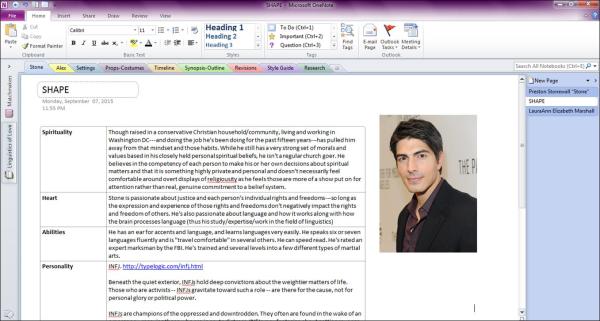
Once you have all of this down you should have a good understanding of who your character is. The reason I try to figure as much of this out before writing is that it saves me time in revision after finishing the first draft if I don’t have to go back and edit out long stream-of-consciousness scenes in which I’m inside the character’s head digging into backstory I didn’t know before I started writing. But no matter how detailed I get with this, I always have a few revelations about my characters—things I never would have known about them until they were faced with a crisis and forced to own up to something from the past they kept deeply hidden, even from me.
I’ll be working on this today for the characters of my current story, so this is why I may not have anything to share in the comments until late in the day.
Assignment: Create and complete, as best as you can, a S.H.A.P.E. chart for each of your main/viewpoint characters in your Story Bible.
FOR DISCUSSION:
How will figuring out the S.H.A.P.E. of your character(s) help you in developing your story?
#FirstDraft60 Day 6: Four Character Building Questions #amwriting #nanoprep #nanowrimo
This year, this first post dedicated specifically to starting to get to know our characters is going to be different from last year’s.
Last year’s post is a basic overview of how to choose viewpoint characters (vs. secondary and minor) and how to figure out what Point of View (first/third, present/past, etc.) you’re planning to use. But that’s not helpful to me right now, and probably isn’t what you all need right now, either. So here’s the link to last year’s post, if you feel like you need a basic refresher on that stuff.
Instead, we’re going to actually dive right into getting to know our characters and (as we discussed yesterday) making lists about them. (And I’ll post mine in the comments so that you get a better idea of what I’m talking about, in case the questions/explanations below aren’t clear.)
Four Character Building Questions
By way of starting to get to know our characters, I have four questions to get us started—to introduce them to ourselves and to each other.
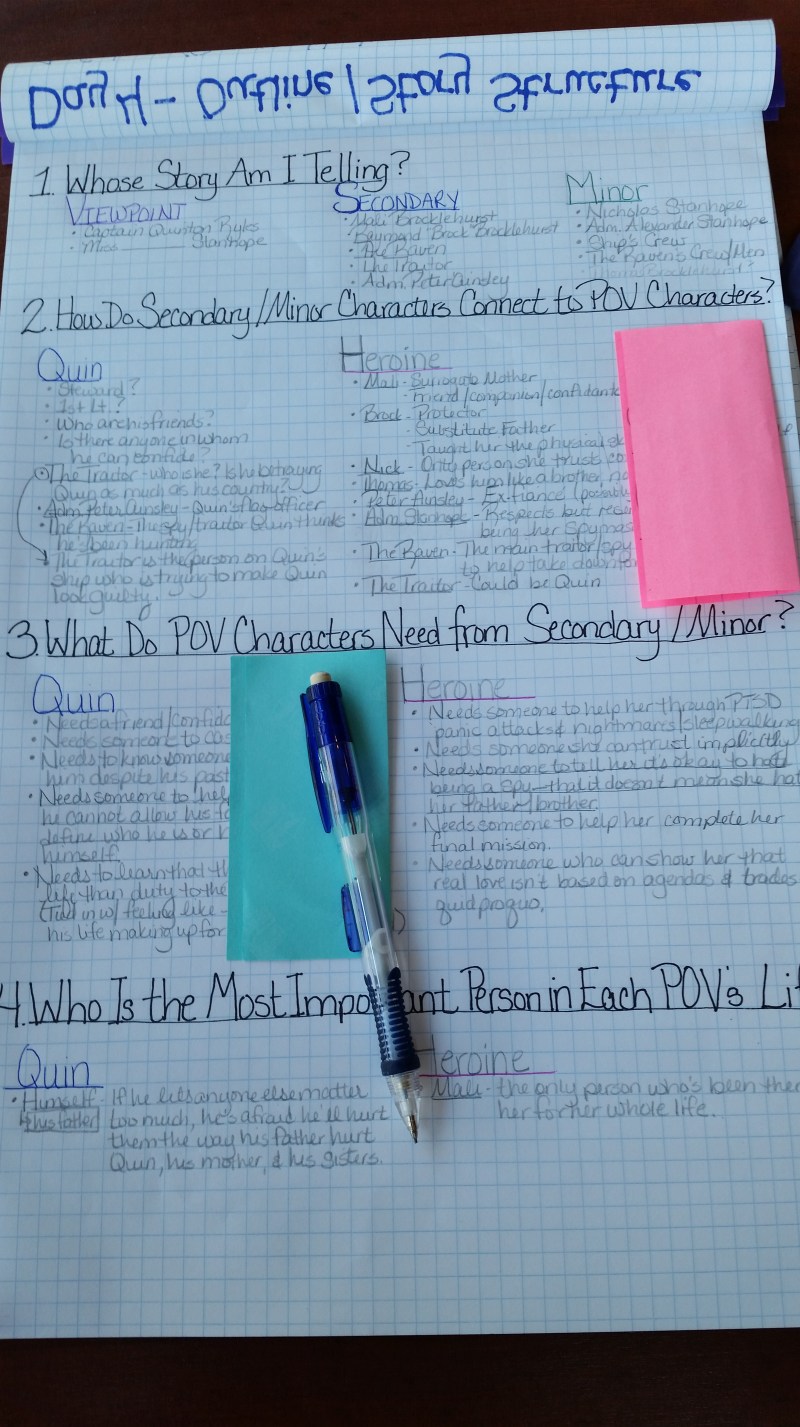
1. Whose story am I telling?
- List your Viewpoint, Secondary, and Minor characters. You might want to refer to last year’s post if you aren’t sure how to answer this question.
2. How do the secondary/minor characters connect to your viewpoint characters?
- You don’t have to get too in-depth here. Maybe a sentence just to start sketching in how the characters are connected, with, perhaps, a key point about that relationship.
3. What do your viewpoint characters need from the secondary/minor characters?
- This starts getting into the purpose of the secondary/minor characters. What is it that they’re actually bringing to the story? These needs don’t actually have to be tied to a specific secondary/minor character at this point. You just need to start delineating what your characters needs emotionally, physically, spiritually, etc., from the other characters in the story.
4. As your story opens, who is the most important person in your viewpoint character’s life?
- Answer this based on who the most important person is from your character’s viewpoint. Whom would they name as the most important person to them? This question was harder to answer than I thought. It’s hard to pick just one person as the “most important” to these fictional people—plus it requires really starting to get to know the main characters on a deeper level. But answering it for each of my main characters really helped me start understanding the two of them much better.
These answers don’t have to be set in stone— as your story changes and evolves, your characters will, too. You may lose some characters, you may gain some. You may discover that a character you thought was secondary is actually important enough to have a viewpoint (as I did with Charlotte Ransome in the Ransome Trilogy). You may discover that a viewpoint character isn’t as important as you thought and you’ll demote them to secondary (as I did with Lady Pembroke in Ransome’s Honor). So don’t feel locked into anything you put down as an answer to any of these questions. This is just a starting point.
Although I’ll type my (non-spoilery) answers in the comments, in case you get a chance to answer before I do that, here’s how I actually formulated the questions/answers for today’s post:
#FirstDraft60 Day 5: Lists. Lists. Lists. #amwriting #nanoprep #nanowrimo
When we’re writing, we have lots of stuff to keep track of, both for our story in progress as well as just general writing-related stuff.
Which brings me to today’s assignment.
Make lists. Lots and lots of lists.
Something every successful con artist or pathological liar knows is that you MUST keep track of the details; you have to know whom you told what and when. Since those of us who call ourselves writers know that what we’re doing is basically telling lies for fun and fortune (okay, maybe not so much fortune as farthings), we need to remember what we’ve made up—in addition to a whole bunch of real-life stuff as well.
But it’s not just our current story for which we want to keep track of things. There are a lot of other things we want to remember also, whether for this story or the next. For example:
Names Used in This Manuscript:
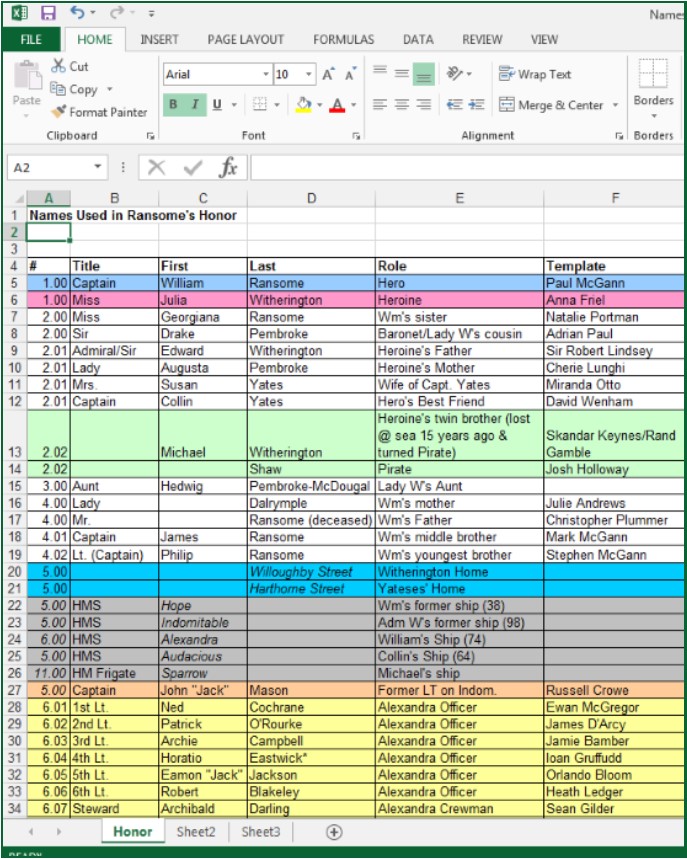
(Created when I was working on the second draft of Ransome’s Honor and I started renaming a few characters.)
Character Lists (especially in novels/series with large cast lists):
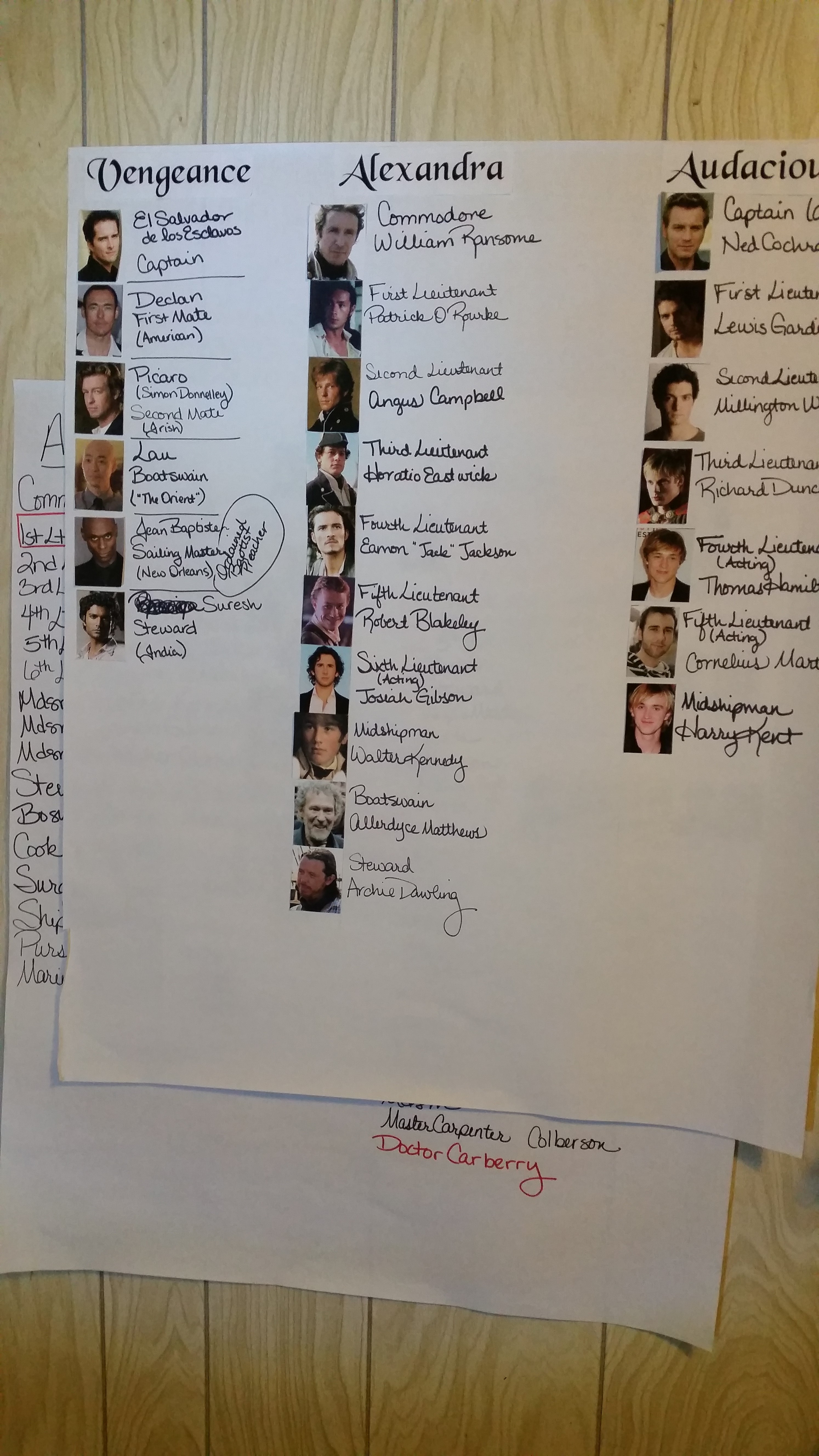
(The crews of the three main ships in the Ransome series.)
Name Ideas:
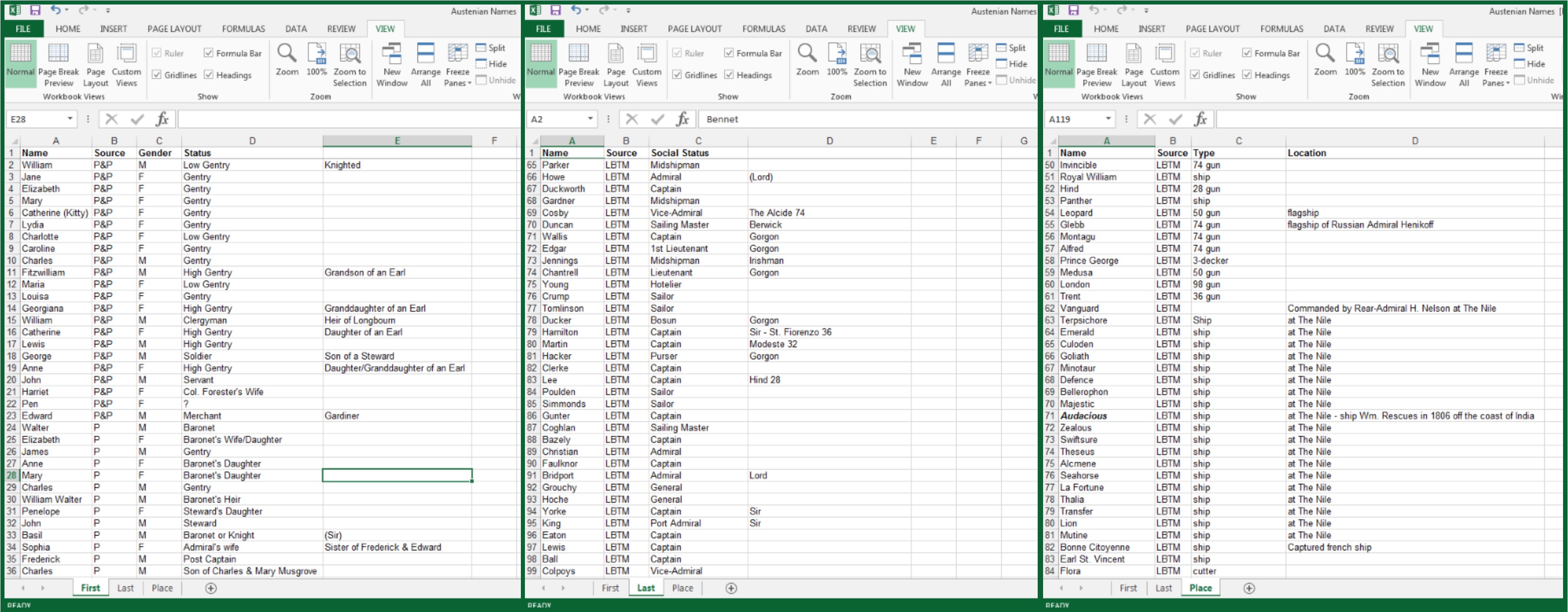
(Lists of names from Jane Austen’s books as well as from some of my research books, such as Life Before the Mast.)
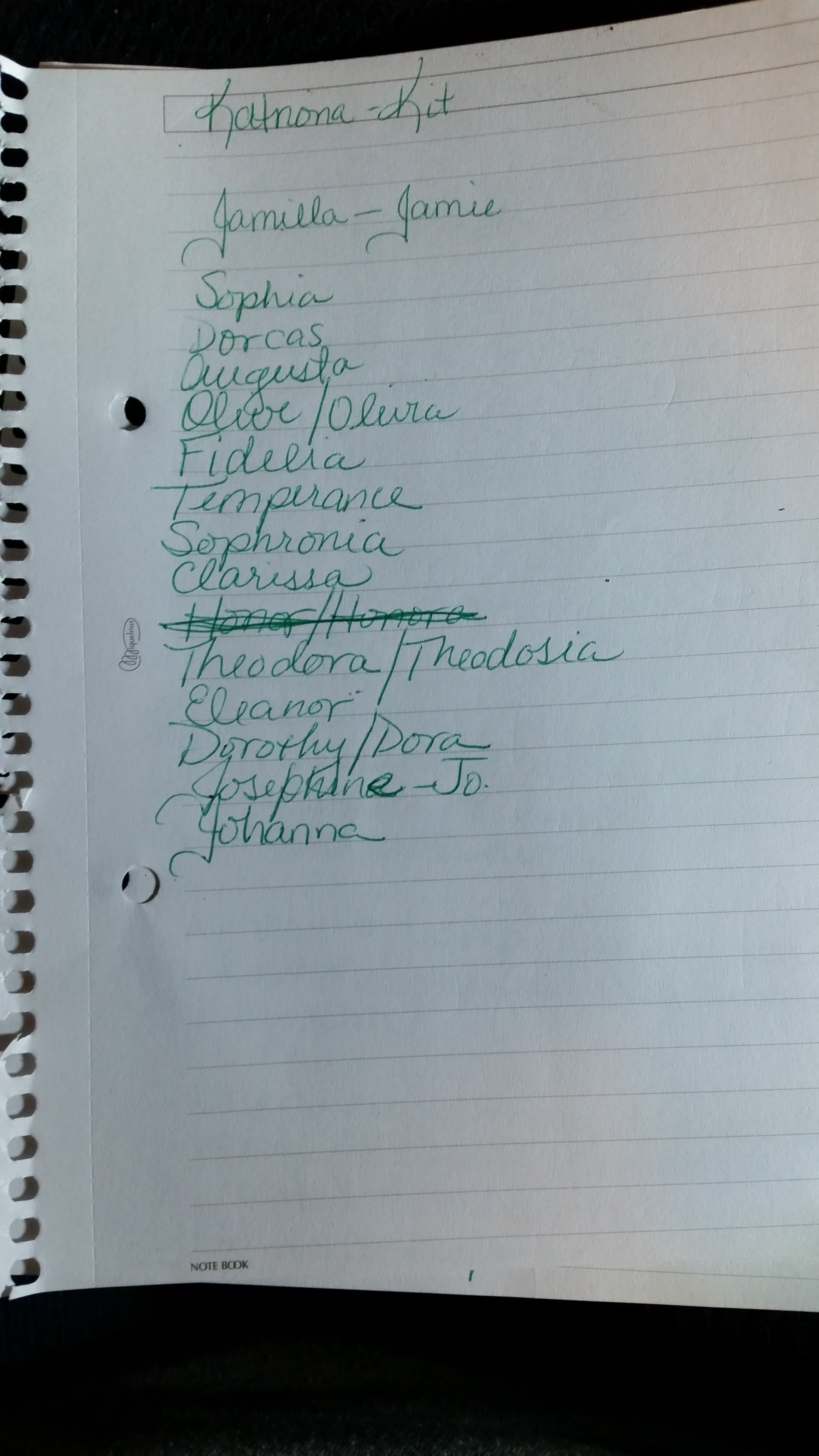
Or for brainstorming when trying to come up with a more suitable name for your heroine:
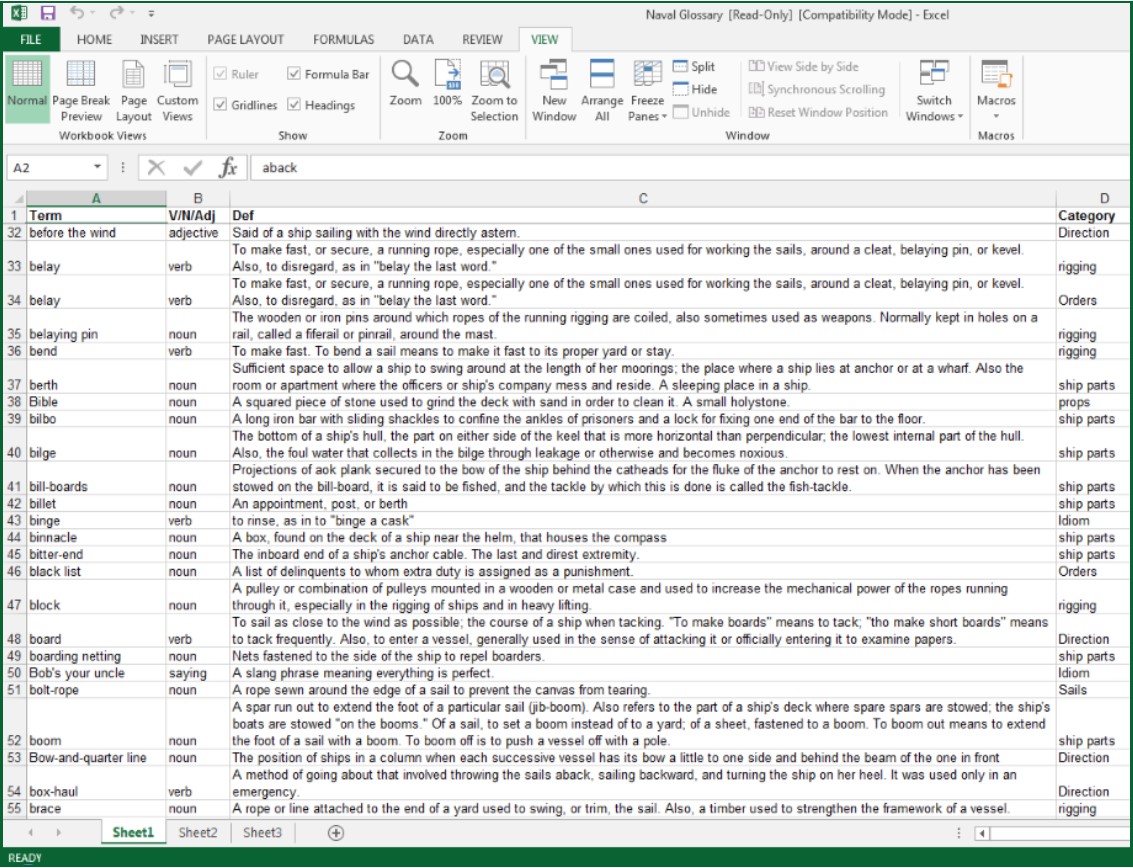
Interesting and/or Story-Specific Words/Phrases:
Possible Titles (The Wooing of Mrs. Paroo, House Mother, The Thirty-Five Guarantee, There Is Nothing Lost, Your Right to Remain Wrong, The Very Thought of You, The Bride’s Spinster Aunt, The Spinster Aunt Conquers the World, etc.)
Interesting Things Overheard (At a restaurant: “As soon as we get back to the office, we need to put a kill order in on McCall.” Guy on the phone at Panera: “How do you feel about widows?” Heard on ESPN: “Cooler than the flip side of the pillow.”)
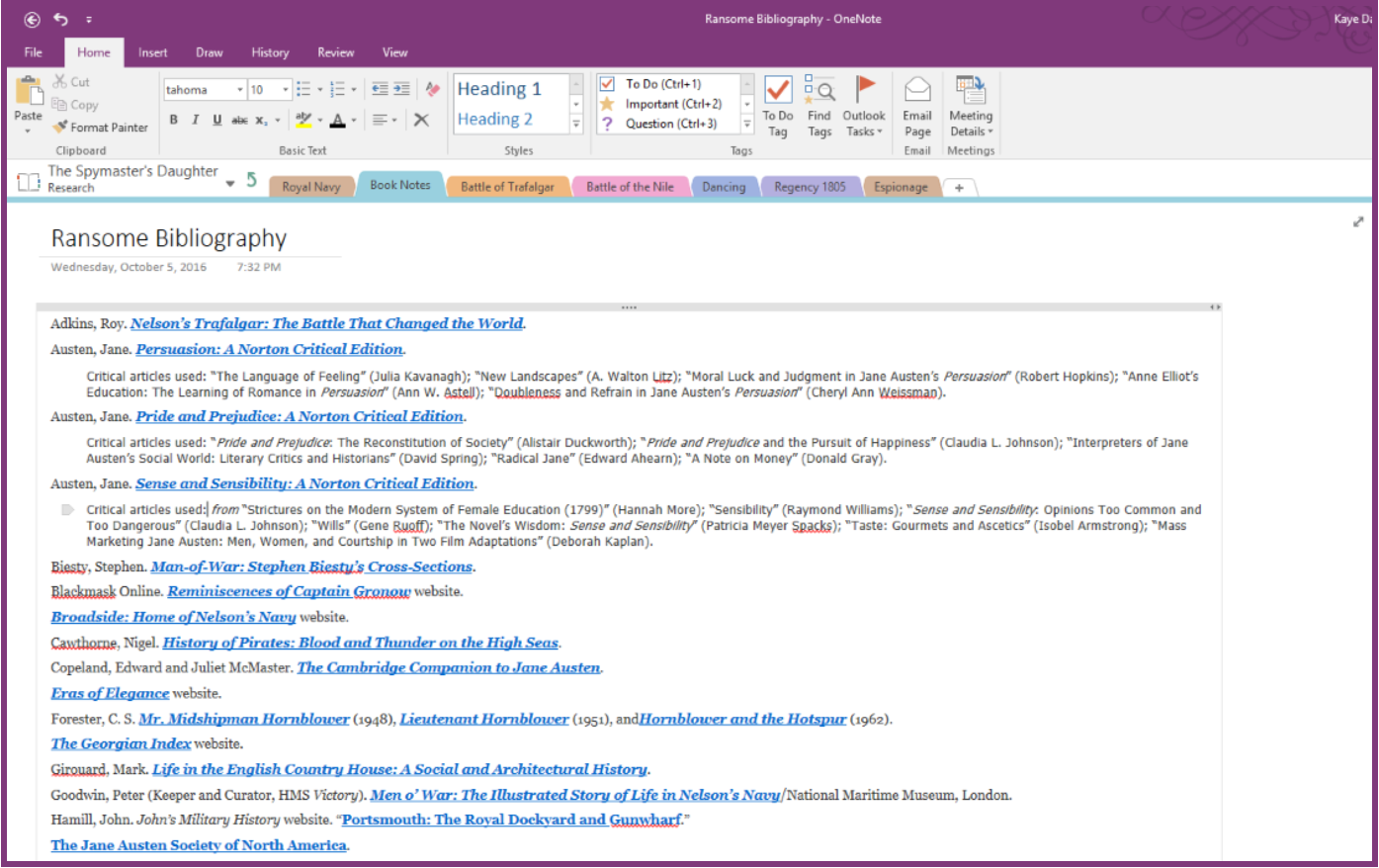
Research Resources:
Networking Contacts (Agents/editors met at conferences; authors met at conferences; authors, publicists, book sellers met at book signings; librarians, book buyers, writing teachers)
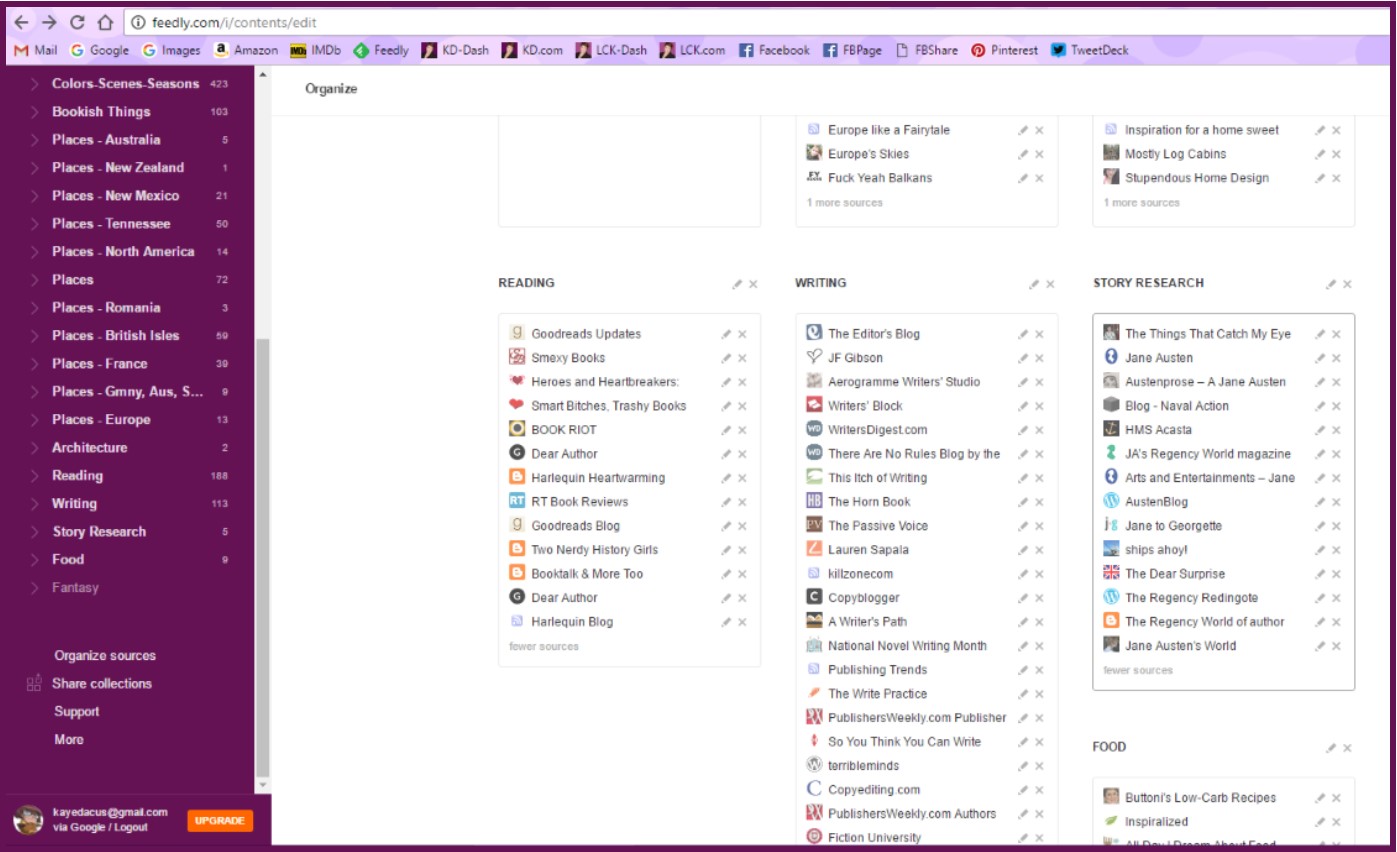
Blogs (those to read daily, weekly, or occasionally—for fun, for information, for research, for Pinterest obsessions… I use Feedly for this)
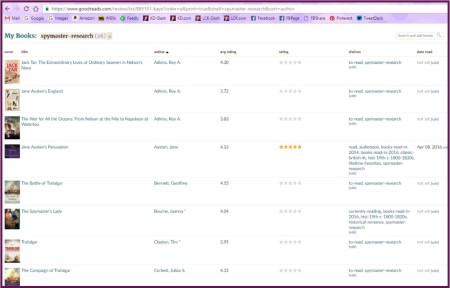
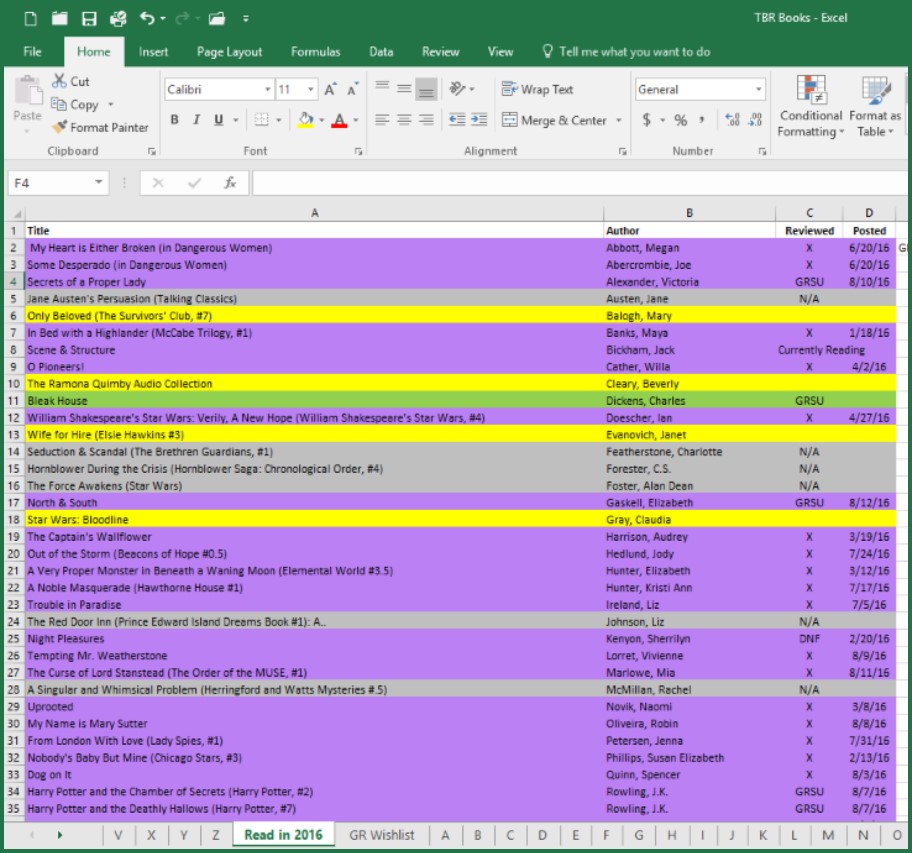
Reading Lists (books to read for fun; books in my genre for critical reading/study; research books; craft books; nonfiction; devotionals—I use a combination of Goodreads and Excel for this)
And so on.
These can be kept hand-written in notebooks or you can use my old method of various sizes and colors of Post-it Notes stuck to the sides of the computer and the wall. Or you can type them up and keep them electronically, as most of these here are.
Day 5 Assignment:
Think about all of the pieces and details that you need to be keeping track of, both for your story and for everything else going on around you. What lists do you already have/use that you rely on? What could you do better if you made lists? Do you think making/keeping up with lists would make you more efficient? How? What are a few key lists that you need to make or have already started making for the story you’re working on in this challenge?
#FirstDraft60 Day 4: Story Structure & Timeline #amwriting #nanoprep #nanowrimo
 If you’ve worked through the assignments for the last few days, your Story Bible should be mostly set up and ready to go. Today, we’re going to add two additional, important sections to it. If you’re just joining us, you can catch up with the previous posts here.
Story Synopsis/Structure
One of the things we’re going to work on in Days 20–30 is the development of your story and structuring it to help give you momentum and security as you write (security that you know where your story is going and what you’re supposed to be writing when you sit down every day to do it). As always, click the image for a larger view.
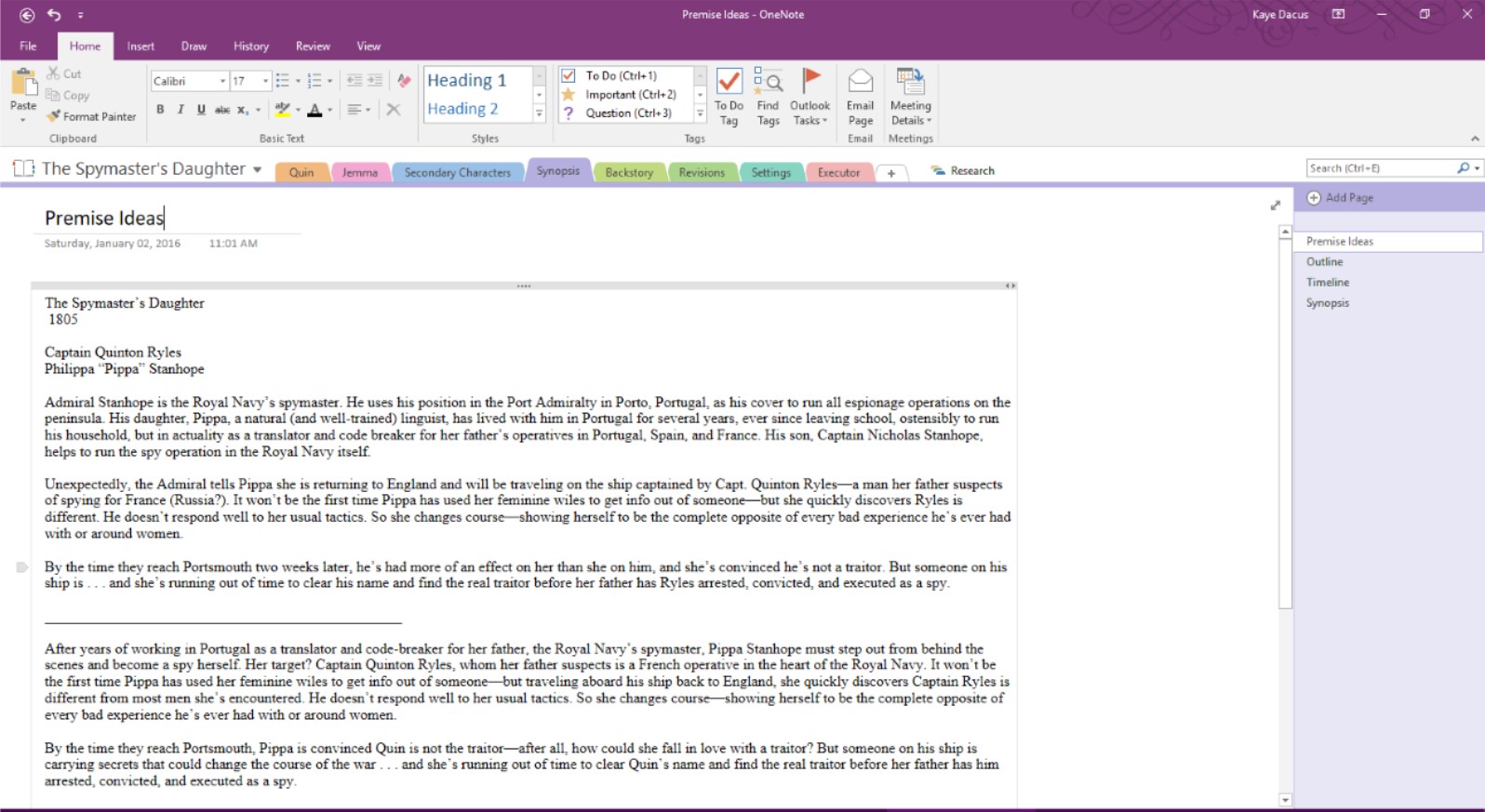
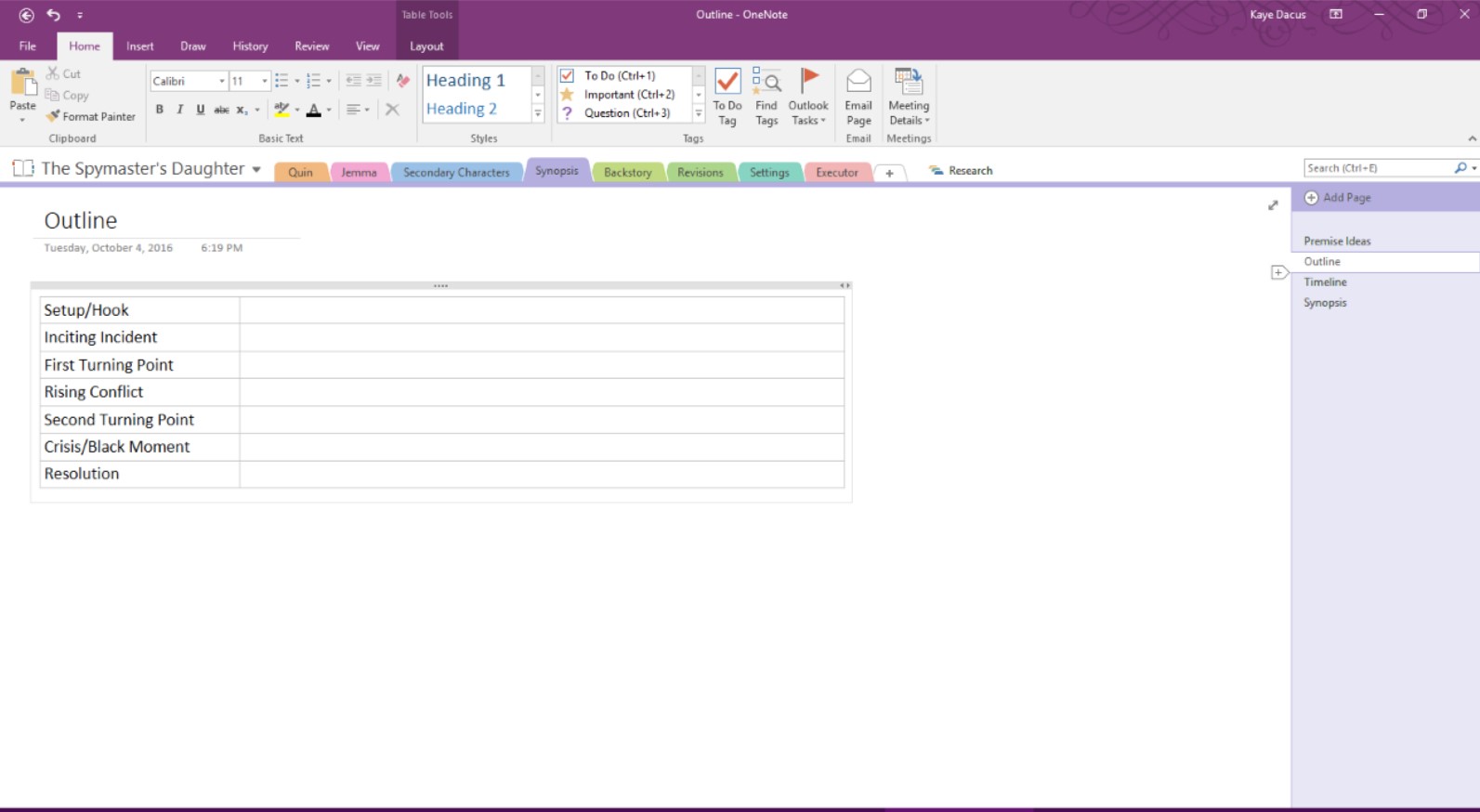
As you can see, I intend to use the Seven Beat structure for outlining my story. Obviously, I haven’t filled anything in yet—because we’re not at that part of the process yet! Although, I have been working on it longhand:
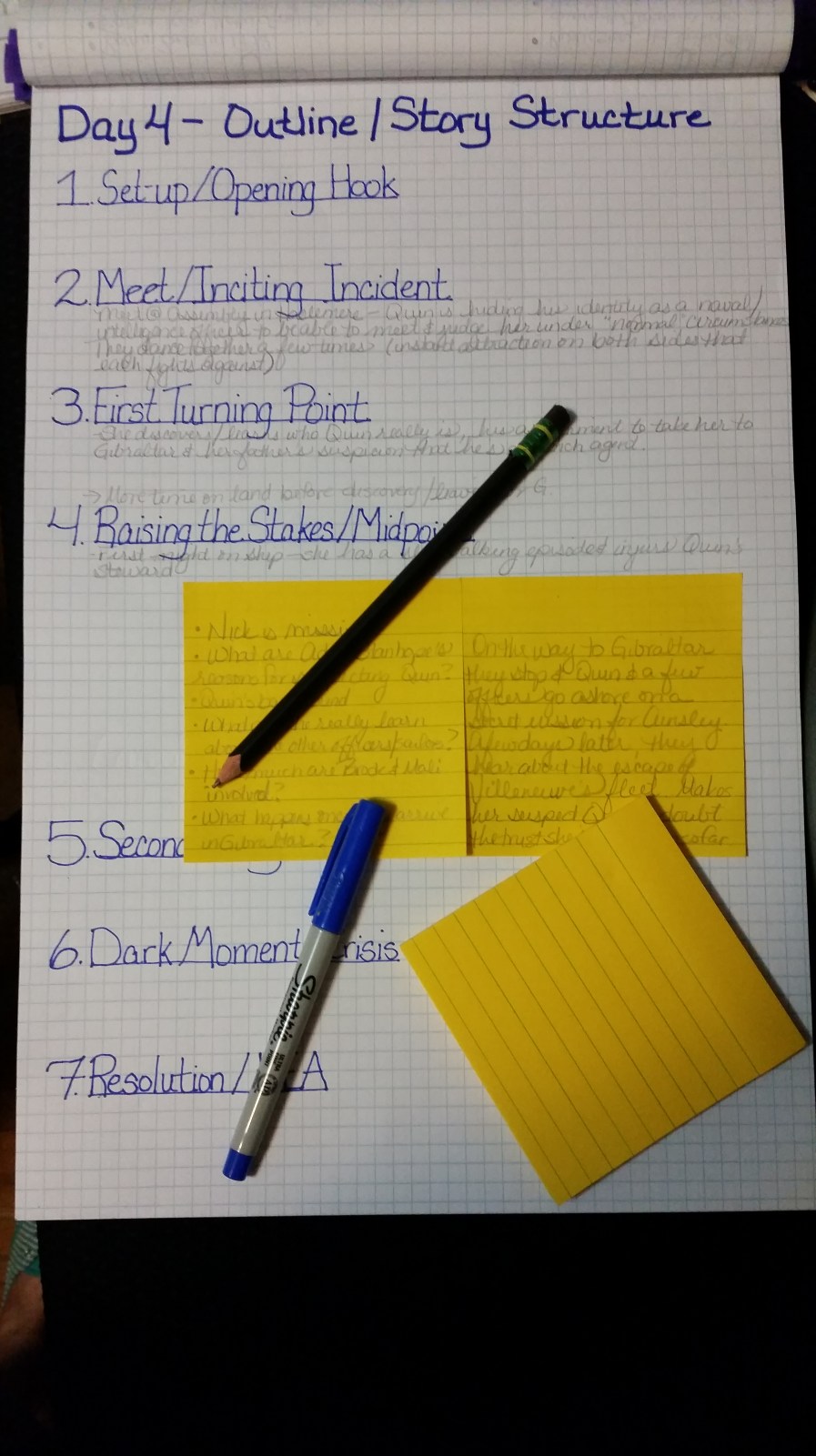
I found an 11×17 pad of graph paper at Staples!
You don’t have to decide yet what structure you’re going to use in order to create this section of your Story Bible, but if you’ve never tried pre-planning/pre-plotting or if you haven’t yet settled on one that you like, it’s a good time to start researching the different options for outlining/structuring your story.
Assignment 1: See below.
Your Story’s Timeline
Way back when I was editing fiction, it didn’t take me long to get to the point at which I could easily differentiate between an author who had actively tracked her timeline as she wrote/revised and one who hadn’t. As readers, often times this becomes clear, too—because it doesn’t seem like things are happening in a logical flow of time.
You don’t want that to happen to your story!
Tracking your story’s timeline is as easy as can be, and there are multitudes of options for how to do it, from the simple to the complex. Probably the most simple is to use the Calendar template in Word and print out calendars for the number of weeks/months your book covers (if it covers years, I’d suggest year-at-a-glace calendars, not weekly or monthly . . . that would be a lot of wasted paper).
Or if you don’t want to print them, set up a new calendar online or on the computer using Google or Outlook. Or just track it as a text timeline in Excel or Word or OneNote along with the rest of your notes.

Right now, this is all I have for The Spymaster’s Daughter—mainly because I’ve decided I need to pretty well scrap just about everything I’ve already written and start all over again. (I mean, I can keep some scenes and conversations, but the locations/settings and travel/destination have changed, which necessitates revising the timeline significantly.)
If you’d like to see a much more elaborate example of story-timeline tracking, check out last year’s Day 4 post.
Unlike some of the other parts of the Story Bible which will get updated sporadically throughout the writing and revision process, the calendar is something I use almost every time I write. In the calendar I kept for the Matchmakers series (again, see last year’s post, linked above), in addition to the summaries of events, I put the chapter numbers on the dates when they occurred as well, for quick at-a-glance referencing. That way, if I needed to go find exactly what I wrote about a specific event, I could look at the calendar and then go straight to that chapter instead of having to search through each chapter file.
OneNote, for all that I love it, isn’t quite as functional for calendaring (yes, I just made that into a verb) as Word is, so I will probably use the calendar template in Word again once I really dig in and figure out where my characters need to be in relation to the actual historical events I’m building the story around.
If the calendar idea doesn’t work for you, Google “create a story timeline”—there are bunches of ideas out there of how other writers have had success tracking their story timelines.
Assignment 1: Create a section in your Story Bible for your story outline and synopsis.
- Have you ever outlined your story before writing? Do you have a favorite outline structure you’d like to share? What are your concerns with trying to outline if you’re a solid seat-of-the-pants writer? What do you think will be the biggest challenge for you if you’ve never outlined ahead of time before? Do you know enough about your story that you can start filling in a structure chart like the Seven Story Beats? If you don’t like the Seven Story Beats structure, what do you think might work better for you?
Assignment 2: Create or find a calendar/timeline format to use to track the timeline of events for your story.
- Have you made a point of tracking (“calendaring”) a story’s timeline before? How did you do it? What method do you think will work best for you with the manuscript you’ve chosen for this challenge? What do you already know about your story’s timeline (such as holidays or historical events that have to fall on certain dates) that you can start plugging in?
#FirstDraft60 Day 3: The Story Bible—Characters, Setting, Props #amwriting #NaNoPrep #NaNoWriMo
Welcome to Day 3 of FirstDraft60 for 2016! If you’ve fallen behind, or if you’ve started late, don’t worry, there will be time this month to play catch-up.
Yesterday, you created your revisions notebook, style sheet, and research repository. In case you’ve never done this before, those are three major components of your Story Bible—the place where you keep all of the background information and notes you need in order to keep you on track when writing.
More than just those three components, though, you’re going to need to keep up with all the trivial—and not-so-trivial—details going on in your story. This is how you make sure that you’re always spelling unusual names/words the same way. How you keep track of what eye color you assigned to what character. How you know when and where things take place in your story (or your series).
How do you create a Story Bible? I’m so glad you asked!
Part 1: Pick Your Poison
First, you need to figure out how you’re going to keep all of this information. You have as many options as there are writers in the world—from actual old-school three-ring binders or whiteboards (though, since these aren’t permanent, I recommend taking photos with your phone for future reference) or butcher paper spread on a table/wall, to Scrivener/OneNote/EverNote or Excel/PowerPoint or any other combination of software available.
Determine how you will keep/organize your Story Bible.
As I mentioned/showed yesterday, I use OneNote to contain all of my information for my book—and it’s the program I use when I’m figuring out backstory or forward story (i.e., brainstorming), as well as keep all the info about my characters, setting, etc. But I’m getting ahead of myself.
Assignment 1: Determine and share with the “class” (i.e., leave a comment) how you intend to keep up with all of the details/background info for your Story in Progress. Will you use a three-ring binder? OneNote? Scrivener? Evernote? Or do you have some other method of keeping track of your story/series details? Tell us what it is—and share links if you use a specific website or software.
Part 2: Characters
One of the largest areas of your Story Bible is going to be dedicated to your characters. (Click each image to see a larger view in a new tab/window.)
If you are using OneNote, you could add another section group just for Characters, but I’ve never found that necessary. As you can see, I have three sections for characters—both main (POV) characters have an individual section, as each will be getting multiple pages over the next few weeks. And then all of my secondary (and minor) characters are included in a section, since they each only get one page.


And, as you can see, since I’ve been working on this story for a while, I already know a lot of background info on Jemma (which is name #4 for this character, and now I’m starting to doubt it again), and not quite as much on Quin. Mali, a secondary character, has been with Jemma since she was born, so I do know more about her than about any of the other secondary characters at this point—her background is integral to Jemma’s childhood development.
Assignment 2: Create the Characters section of your Story Bible. How do you plan to organize this? What information do you already have that you can start populating this section with? Other than figuring out how you plan to organize it and adding in what info you already know about your characters, don’t worry about how many pages you’ll need. We’re going to work on that next week.
Part 3: Setting
If you’re writing a world-building genre—like fantasy, or science fiction, or historical—you’re going to have a relatively large section for your setting. But even when we’re writing contemporaries set in places we’re familiar with (like for me when I was writing the Matchmakers series, set in Nashville), we’re going to need a place to keep information about our settings. What do your characters’ homes or workplaces look like? Where are things located geographically? What’s the topography or weather like?

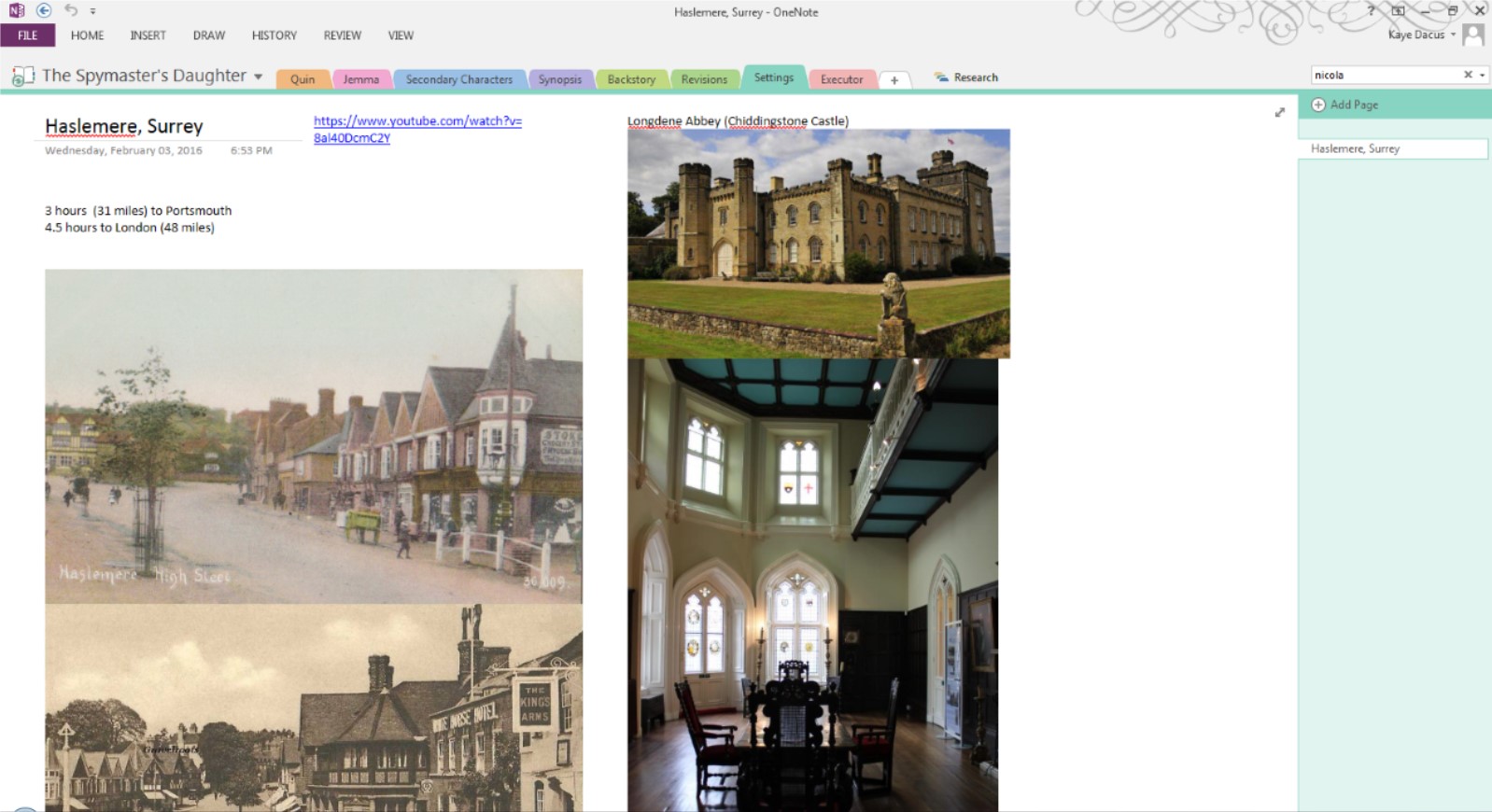
This is where I tend to split things up a bit. I’ll keep the research part of my setting information (text) in OneNote, but I’ll collect setting images in Pinterest. It’s so much easier, and it doesn’t take up space on my computer.
In the past, I’ve also done things like hand-draw a map of my fictional city of Bonneterre, Louisiana, and hung it on the wall for easy reference. (And then I took a digital picture of it and put it in my folder of images in my cloud drive so I could access it anytime I needed it.
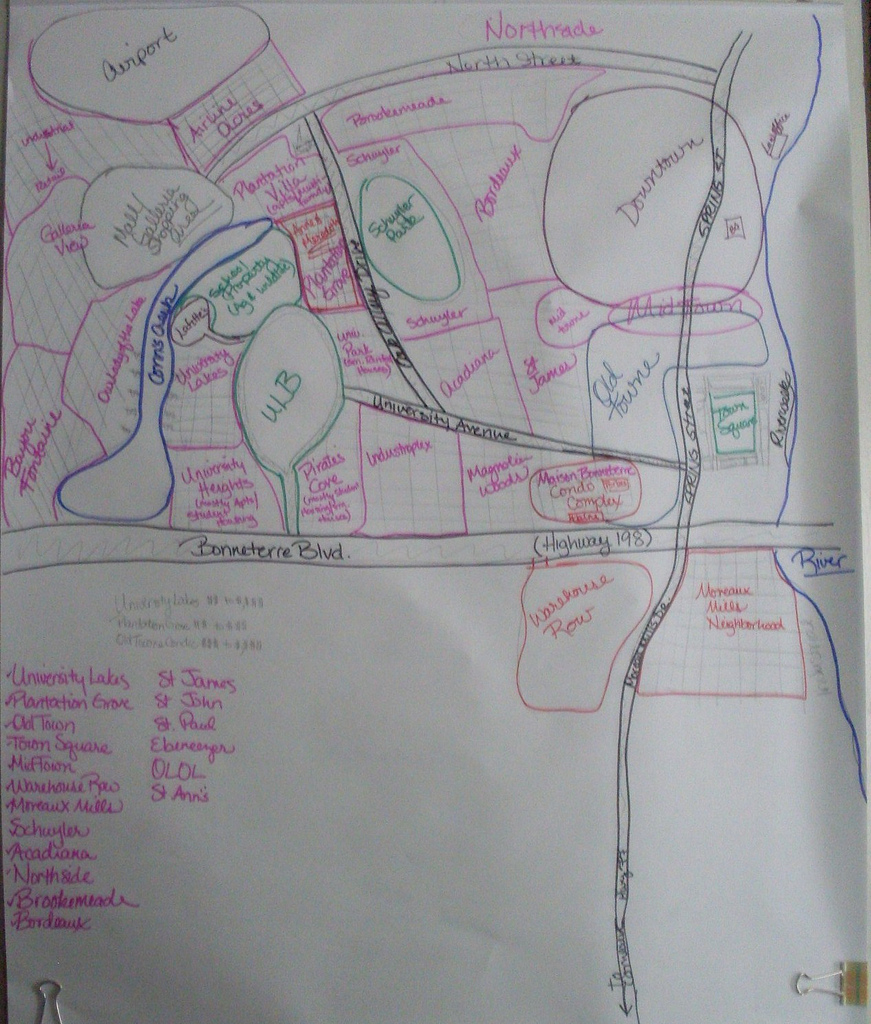
My rough, hand-sketched map of Bonneterre
Assignment 3: Determine how you will keep track of the details of your settings. What tool or combination of tools do you think you’ll use?
Part 4: Props and Costumes
Your characters have to get dressed. And they need to be able to pick things up and move them around occasionally. They need personal items that make us identify with them, even if they may not personally be in the room. (And these types of details are even more significant in mysteries—you never know what little piece of detritus on the floor will lead to the killer!) In SciFi, Fantasy, and Historical genres, costumes and the general look of things lying about will be important in drawing the reader into the storyworld.
Things to keep track of in this section, which will be filled out mostly as you write and discover these items (which is why I don’t have a screen shot of this to share yet):
- What does each character carry on his/her person?
What items would your character never leave home without? This is Doctor Who’s sonic screwdriver, Peter “Star Lord” Quill’s Walkman, or Phrynie Fisher’s golden revolver. Or think of it like this—what is something that if left behind would signal to others that your character had been there? - Location of important/key objects in the story.
Even though we don’t always see it, we always know where the One Ring is throughout the Lord of the Rings trilogy. Keep track of where you’ve placed the most precious items in your story. - Furniture, Objet d’Art, Curios, and Knicknacks.
It may seem trivial, but readers notice when the Tiffany lamp is on the table at the right-end of the sofa in one scene and on the end table next to the wing chair in another. Use your Story Bible to keep track of all the little things, too. (Though this may wait until you do your read-through of your first draft after it’s completed. But create a space for it now.) - Modes of transportation.
How do your characters get from one place to another? - Costuming.
If you’re writing a costume-specific piece (like a historical or fantasy where costuming can make quite a statement about characters on its own), you may want to include this in your character section. But whether it’s with character (a line or two about their personal style in their write-up) or pages of images for each character, you need to keep track of it. (Again, a combo of text/descriptions/research info in your Story Bible and images on Pinterest works well). - Any other “physical properties” you think you might need to keep track of.
Assignment 4: Determine how you will keep track of props and costumes. What tool or combination of tools do you think you’ll use?
I know this seems like a lot of work, but remember—you’re just laying the groundwork and getting your Story Bible set up. You’re not actually filling it up yet!
Here are the assignments if you want to copy/paste them into your comment for easy answering—and don’t forget to share links to images/screen shots once you have these set up!
Assignment 1: Determine how you intend to keep up with all of the details/background info for your Story in Progress. Will you use a three-ring binder? OneNote? Scrivener? Evernote? Or do you have some other method of keeping track of your story/series details?
Assignment 2: Create the Characters section of your Story Bible. How do you plan to organize this? What information do you already have that you can start populating this section with?
Assignment 3: Determine how you will keep track of the details of your settings. What tool or combination of tools do you think you’ll use?
Assignment 4: Determine how you will keep track of props and costumes. What tool or combination of tools do you think you’ll use?
Can’t wait to hear from you to find out how you plan to keep your story organized.

 KayeDacus.com