Wordless Wednesday: Art of Romance
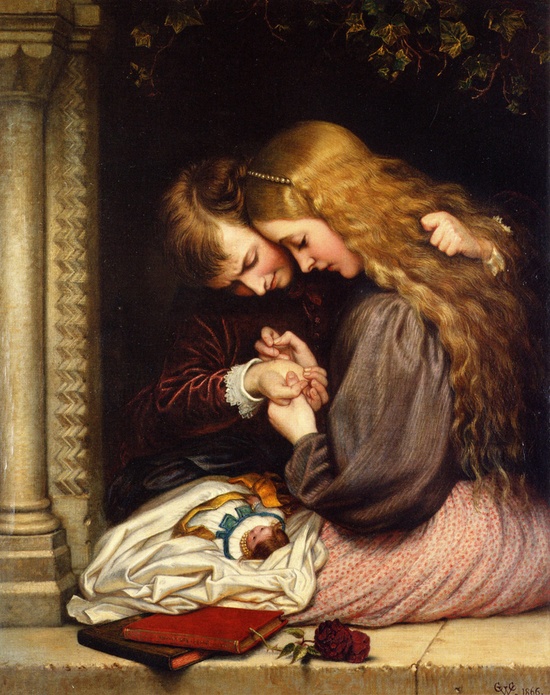
“The Thorn” by Charles West Cope, 1866
.
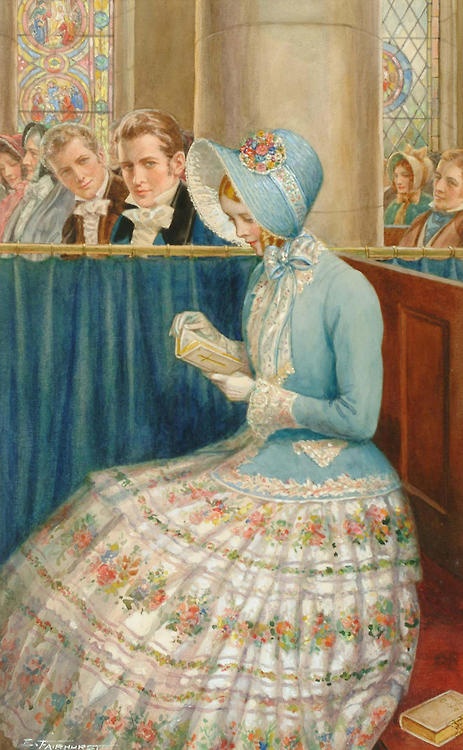
“Admiring Glances” by Enoch Fairhurst (1874–1945), painting date unknown
.
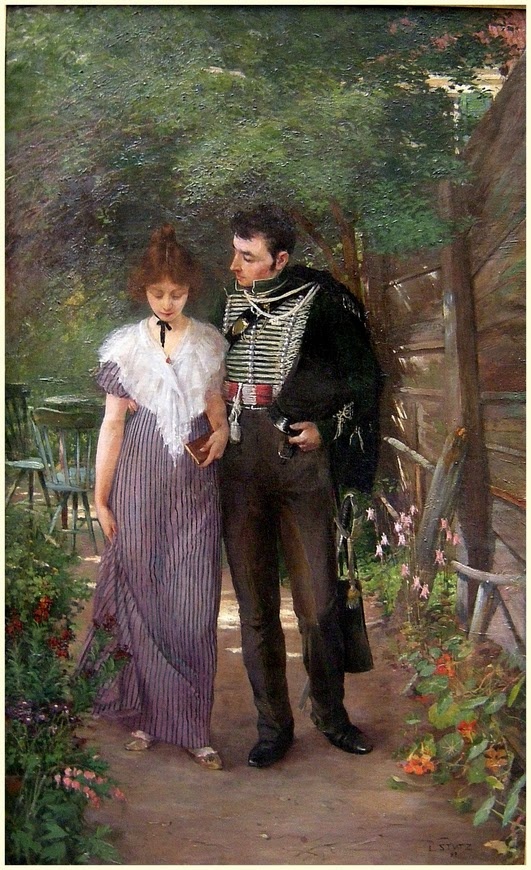
“Flirtation in the Garden” by Ludwig Stutz, 1897
.
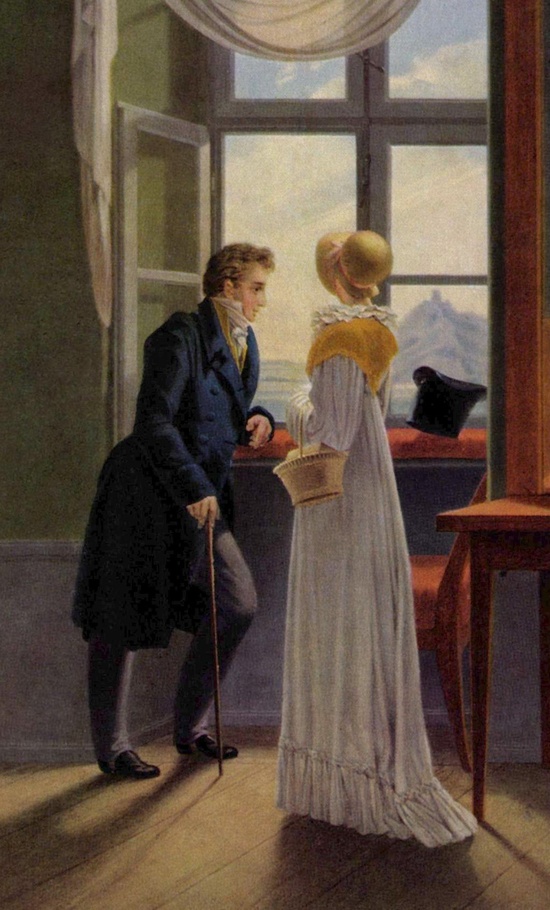
“Couple at a Window” (detail) by Georg Friedrich Kersting, 1815
.

“Yes” by John Everett Millais, 1877
.
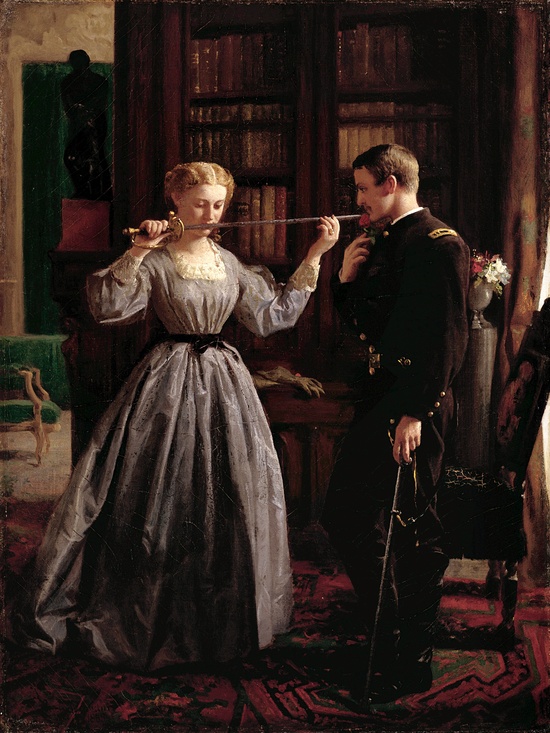
“The Consecration” by George Cochran Lambdin, 1861
.
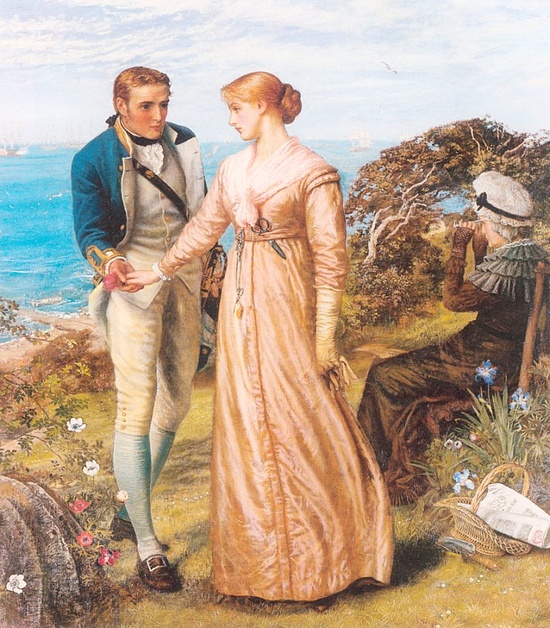
“The Sailing Signal Gun” by Arthur Hughes, 1881
.
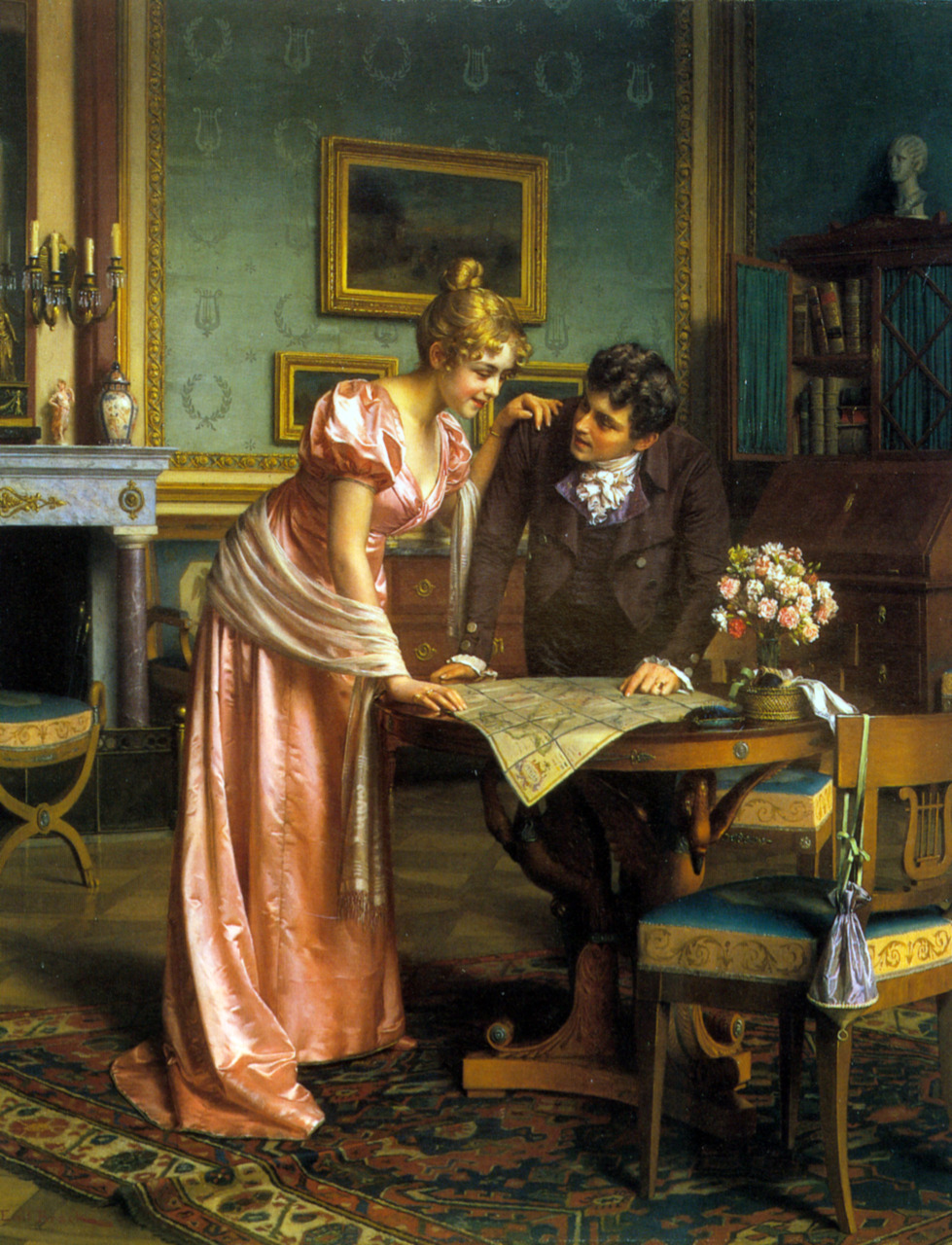
“Planning the Grand Tour” by Emil Brack (1860–1905), painting date unknown
.
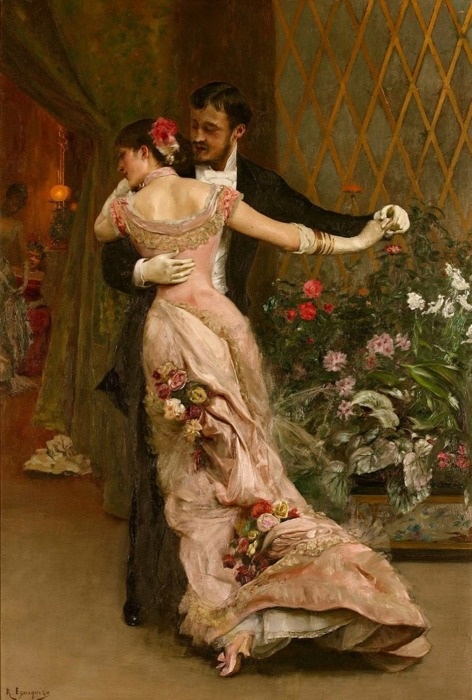
“After the Ball” by Rogelio de Egusquiza, ca. 1879
SCENE IT! Complicate Your Characters’ Lives
Yesterday, we looked at how to raise the stakes, up the ante, for our characters in the middle of our scenes/stories.
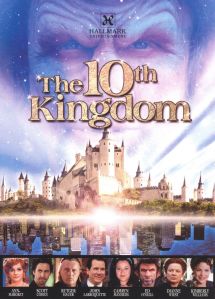 A great example of a movie (miniseries, really) that raises the stakes and develops conflicts like nothing else I’ve ever seen is The 10th Kingdom. The simple premise is that two modern New Yorkers (played by John Larroquette and Kimberly Williams-Paisley) find themselves transported into the land of the Nine Kingdoms—fairy-tale land! They must find the magic mirror that transported them to this fantasy world to get back to New York. When the story finally ends seven hours later, you feel like you’ve run a marathon—because these poor characters have been put through the ringer.
Do you back off of conflicts in your story? Do you pull punches? Do you try to make things easier for your characters? Do you resolve arguments off stage?
STOP THAT RIGHT NOW!
Techniques for Upping the Ante for Your Characters
- Drop hints that the antagonist knows something which the hero/POV character doesn’t—something that is advantageous to the antagonist and/or disastrous for the hero. This is Malfoy taunting Harry Potter with stuff he knows that Harry obviously doesn’t. This is the serial killer taunting the detective. This is someone (either an antagonist or someone well-meaning but ill-informed) telling the heroine that the hero is cheating on her.
- The antagonist could actually reveal something the hero didn’t know yet: a bit of bad news that alters the hero’s assumptions or decisions or even makes him deviate from his scene goal (or at least makes the reader believe he will).
- Show that the hero has faulty information—and that he doesn’t realize it—to lead the reader to believe he’ll make the wrong decision.
- Dangle the object(s) of your character’s desire just out of reach, a.k.a. withholding. Emotional withholding: A father withholds his approval no matter what the son (main character) does to try to gain it. Withholding information: the location of something or someone important, information that could lead to someone’s arrest, etc. Withholding objects: play a game of keep-away with your character (i.e., the chest containing Davy Jones’s heart in the second Pirates of the Caribbean movie).
- Have the antagonist (or an outside source) set a ticking clock on the duration of the scene. (Can Jack Bauer stop the terrorists in twenty-four hours? Can Rose get Jack unshackled before the room fills with water as Titanic sinks?)
- As already mentioned, set a timer on your character’s actions, a time-limit in which to make a decision. You end a scene with the hero receiving a ransom note from the kidnapper who has his child: You have three hours to deliver $5 million or I kill the kid. What happens in the sequel scenes is shaped by that disaster, by that time-limit.
- Have the POV character come to understand—on his own or with help—an entirely different aspect of the previous disaster he hadn’t thought of before. How can that disaster actually be used to his advantage?
- On the flip-side, instead of realizing how the disaster can be advantageous, the character is now overwhelmed by the disaster (and the emotions resulting from it) and plunges back into the conflict with insufficient understanding of what’s going on, leading to more disasters.
- Introduce roadblocks (have you ever seen The Amazing Race?) that create a “sidebar” conflict the character must get through to get to the next scene; conflicts which the character (and thus the reader) sees as relating directly to his stated goal for that scene, but which, in reality, only serve to throw him further off course.
- Have the character hint that he has more of an agenda than he’s revealed to the reader. Something along the lines of, “He knew what he had to do.”
- Stage an interruption—an outside stimulus—which forces the character to stop “sequelizing” and meet the new threat/conflict. This is very similar to the roadblock idea. Something interrupts the very straight-forward direction of the plot and either waylays the character for a little while or throws him completely onto a different trajectory for the remainder of the story.
- Put the character or someone he loves in physical/mortal danger.
What are some ways in which you’ve seen writers (in books, movies or TV shows) up the ante for their characters? What are some ways you can do this in your story?
SCENE IT! Is there a bit of tension in here?
Sorry it’s been a week since I’ve posted in this series—I was down for a few days with an upper respiratory infection and thinking about anything serious wasn’t going to happen. But now I’m mostly recovered, so it’s time to get back to work.
Last week, we looked at strong scene openings. Openings are something that we always get a lot of information about, but what about what comes after the opening?
Tension and Pacing in the Middle of a Scene
Scene middles are the bulk of your story, so use and craft them wisely.
You must complicate your characters’ lives, and you must do it where the reader can see it: in scenes. Doing this is known as upping the ante.
Once you know what your character’s goal for the scene is, you must determine what Jack Bickham (Scene and Structure) calls the “disaster” that will happen at the end of the scene to keep them from reaching that goal. It’s not a disaster in the literal sense, but an obstacle that puts your character further into the hole of narrative debt; it’s a a setback, a redirection. (We’ll get more into that idea when we discuss scene endings.)
In other words, you’re starting the scene out with a question: Can the character do/attain this? The middle of the scene is all about setbacks and building narrative debt in the quest to answer this question.
What is narrative debt?
With simple narrative debt, the debt is paid off by the end of the scene; in other words, the question is answered, the conflict managed/solved before the next scene/chapter starts. The lost dog is found, the contract on the house comes through, the long-anticipated event goes well.
But the underlying foundation of story plots is compound narrative debt—some conflicts or questions linger and the interest compiles and compiles until you have to pay it off or risk losing your reader. This is like maxing out a credit card and then only paying the minimum payment each month. Yes, you’re keeping your account alive and in “good standing” but you’re not paying it off.
Take, for instance, the suspense genre. Not only are there going to be breathtaking, spine-chilling scenes where our heroes or heroines are in peril, but then—whew!—are safe again, there is an undertone—an increasing narrative debt—of unease or fear that pervades the entire narrative. Even when things seem to be going well, the reader can sense something isn’t quite right. This can be done through tone—through the words the writer chooses to use in the narrative. It’s like the duh-dut, duh-dut of the theme song for the movie Jaws (that the orchestra starts playing to get the unimportant people off the stage—no, wait, that’s the Oscars). When first watching the movie, you may not even notice the score. But then subconsciously, every time that music starts, you know something bad is going to happen.
Even though we want to avoid both of them in real life, in writing we want both types of debt—the simple debt to keep the reader satisfied with little payoffs that keep the story moving forward, along with the compound debt that keeps the reader turning pages because they have to find out how the ultimate debt of the story will be paid off.
As we solve conflicts or answer questions in our narrative, we should always keep in mind how these solutions/answers feed into the compounding narrative debt. The best way to do this is to create new conflicts or questions from the resolution of the one that came before. If the heroine gets out of one scrape, the escape may create two new ones down the road.
Remember Murphy’s Law: whatever can go wrong will go wrong—and this is what happens in the middle of a scene.
Raising the Stakes
Donald Maass in the Writing the Breakout Novel Workbook explains “the essence” of raising the stakes as “making things worse, showing us that there is more to lose, promising even bigger disasters that will happen if the hero doesn’t make matters come out okay.” This can be on a global scale (think of all of the villains bent on world destruction that James Bond defeated) or it can be on an individual scale (will Maria stay at the abbey or will she return and declare her love for Captain von Trapp?).
In Stein on Writing, Sol Stein writes that “the essence of plotting [is] putting the protagonist’s desire and the antagonist’s desire into sharp conflict. . . . One way to plan is to think of what would most thwart your protagonist’s want then give the power to thwart that want to the antagonist.”
What is the main conflict for each of your main characters? How can you make the problem worse?
For a great example of this, follow Frodo’s journey from the Shire to Mount Doom. Every time something happens to him, we think that nothing else worse could happen, but it always does.
Is there another character (whether good or bad) in your story that has the ability to keep your main character from achieving his or her goal?
If the character must be somewhere at a certain time to stave off worldwide disaster, how many things can you think of to stop the character from getting there on time?
In other words, what are some roadblocks you can throw in your characters’ way to thwart their goals and to raise the tension in the middle of your scenes (and your story)?
___________________________________________________________
Works cited:
Bickham, Jack M. Scene and Structure. Cincinnati, OH: Writerʼs Digest, 1993.
Maass, Donald. Writing the Breakout Novel Workbook: Hands-on Help for Making Your Novel Stand out and Succeed. Cincinnati, OH: Writer’s Digest, 2004.
Stein, Sol. Stein on Writing. New York: St. Martins, 1995.
Wordless Wednesday: Cute Boys in Sweaters

Richard Armitage
.

Alex O’Loughlin
.
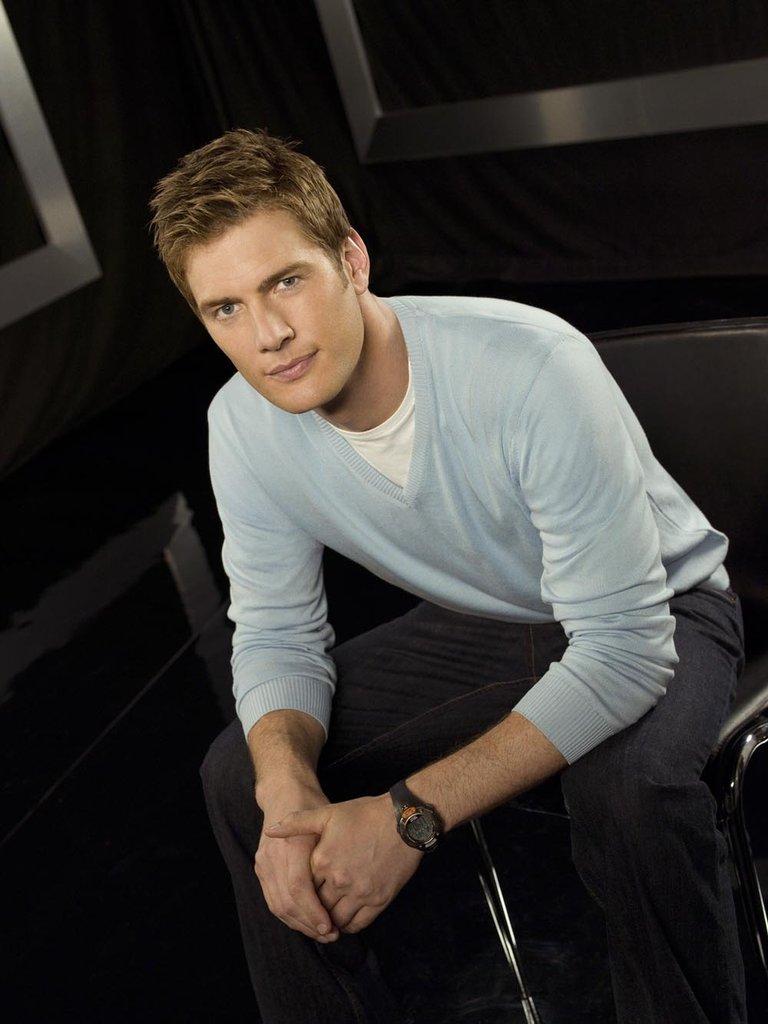
Ryan McPartlin
.
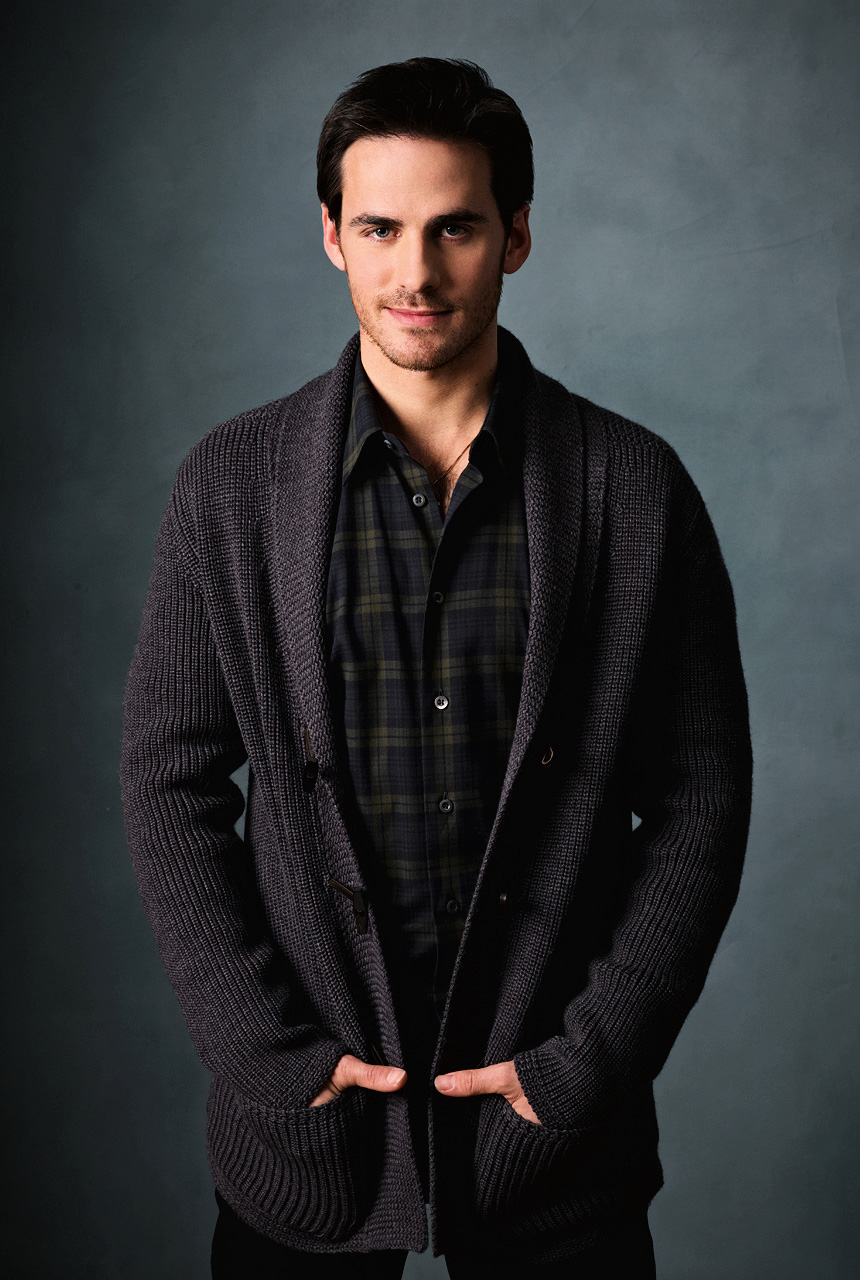
Colin O’Donoghue
.
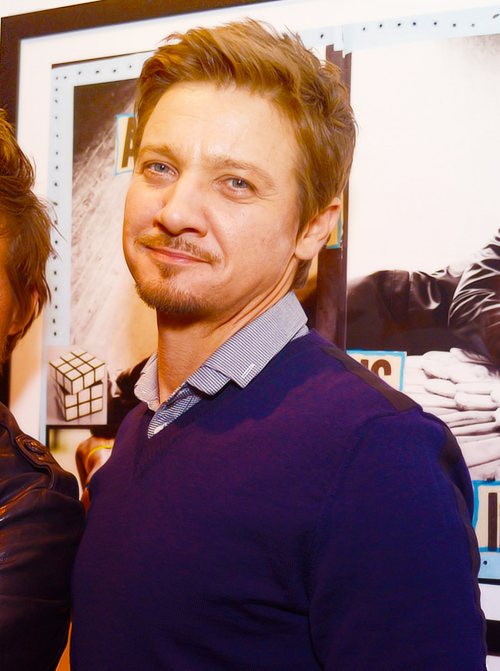
Jeremy Renner
.
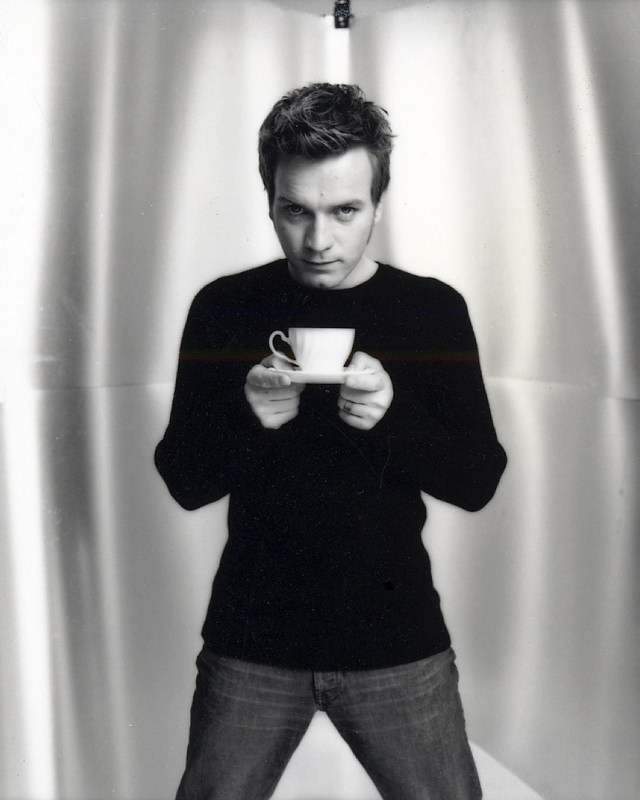
Ewan McGregor
.
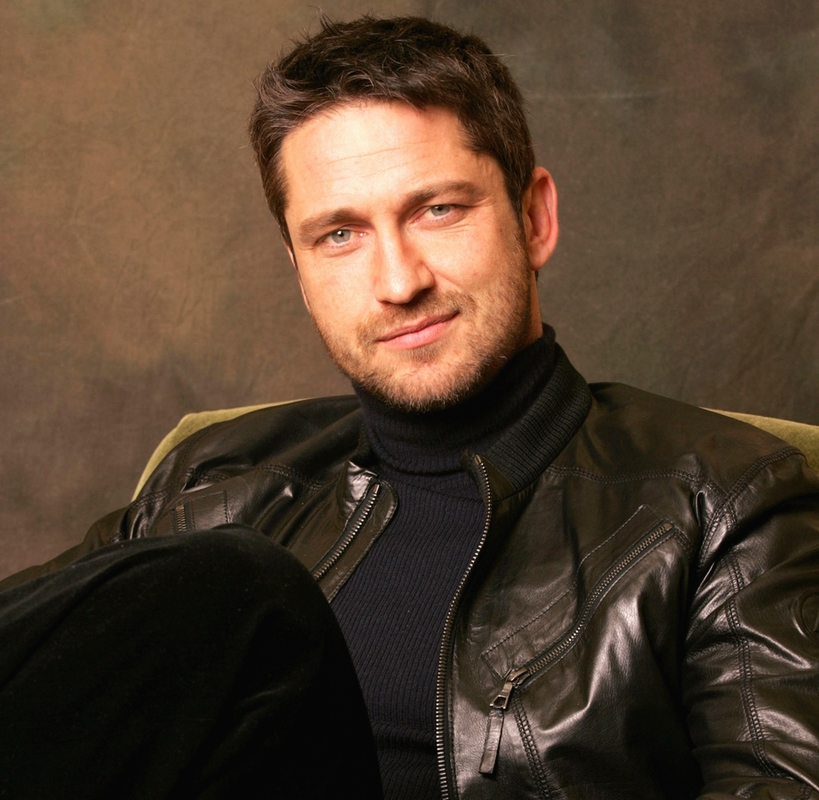
Gerard Butler
.
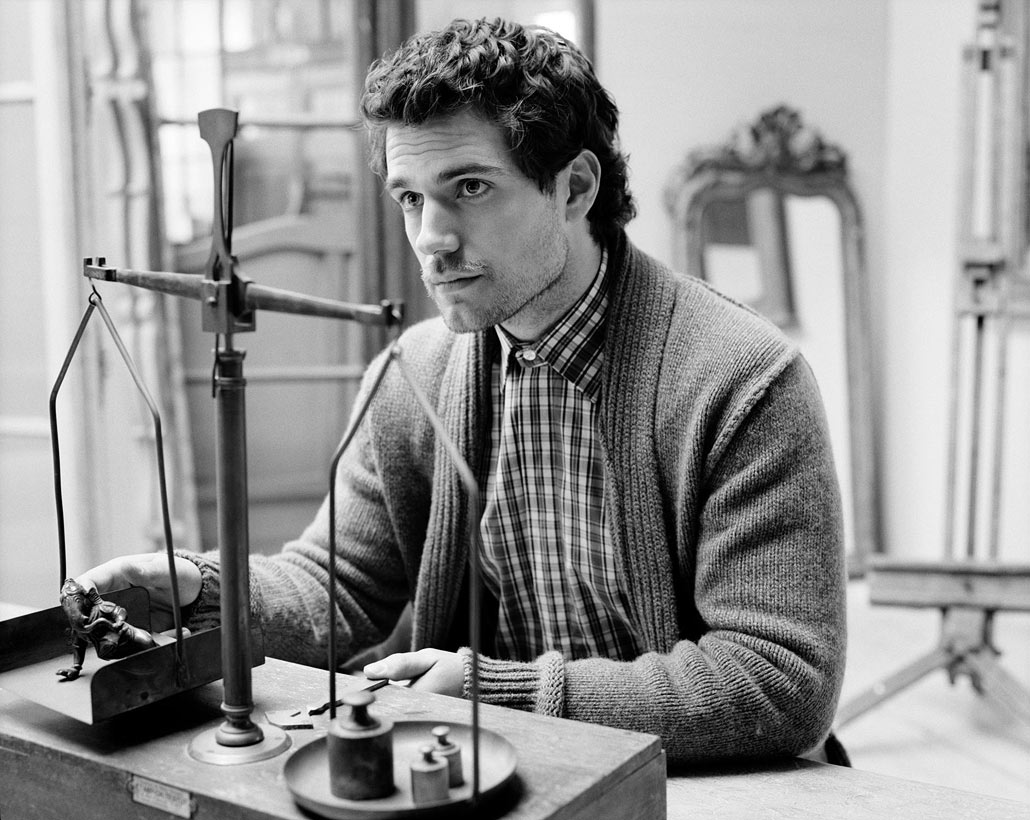
Henry Cavill
SCENE IT: 1-2-3 Blast Off! Crafting Out-of-this-World Scene Launches
Just like a story, a scene needs to have a distinct beginning, middle, and end, no matter how long or how short the scene is. And while each can be approached the way you handle those three parts in your overall story, within the confines of a single scene, each component has unique needs that we’re going to look at over the next several posts.
Scene Openings
When we talk about “beginning” a scene, it can be a little confusing—because sometimes scenes pick up right in the middle of action or dialogue or immediately where the previous scene left off. But whether you’re introducing a new character/setting/action or picking up right where the previous scene left off, there are still some principles that can be applied to make that scene launch more dynamic.
There are three basic types of scene openings:
• Character launch (opening with dialogue, or the character’s thoughts)
- For all that Flannery kept calm and cool on the outside, inside. . .garbled, short-circuited thoughts tumbled through her head. Her heart went from racing to a slow pounding. And it was all she could
do not to call her mom and dad.
Once again, she thanked God Jamie and Maureen were with her so she didn’t have to do this alone. She glanced up and caught Jamie looking at her through the rearview mirror.
She looked away. She didn’t need pity right now; she needed strength. She needed him to hug her and reassure her and kiss her. Again.
(Chapter 23, Scene 2, Turnabout’s Fair Play by Kaye Dacus)
• Action Launch (starting with some sort of movement/action)
- Pounding feet overhead awakened William. Outside, dawn lay gray and pink on the horizon. He listened a moment longer before untangling himself from Julia, leaping out of the bed, and hastening to dress.
(Chapter 19, Scene 2, Ransome’s Crossing by Kaye Dacus)
• Setting Launch (starting with the setting)
- No moon. Wispy clouds hid most of the stars. He could not have asked for a more perfect night. Before him, the house glowed like a lantern atop the hill. Behind him, his men waited for his command.
(Prologue, Ransome’s Quest by Kaye Dacus)
But no matter which of these launches you choose, you need to get your characters into the scene as soon as possible (in Make a Scene…, Rosenfeld says no later than the second paragraph of the scene). And if your scene launch goes on for too many paragraphs in passive description or narrated ideas, you’re going to lose the reader. So be sure to get character and action into the scene as soon as possible, no matter which of these scene launch types you choose. And don’t start every scene with the same type of launch (e.g., don’t start every scene—or too many back-to-back scenes—with dialogue).
Be sure the reader knows who (and what, if you’re writing sci-fi/fantasy) your characters are. Make it clear whose viewpoint we’re in. Establish a purpose, a goal, or an intention for the character. Jordan Rosenfeld in Make a Scene calls this the scene intention:
Give [your character] an intention in every scene—a job that he wants to carry out that will give purpose to the scene. The intention doesn’t come from nowhere—it stems directly from the significant situation of your plot and from your protagonist’s personal history. To clarify, an intention is a character’s plan to take an action, to do something, whereas a motivation is a series of reasons, from your protagonist’s personal history to his mood, that accounts for why he plans to take an action.
In every scene these intentions will drive the action and consequences; they will help you make each scene relevant to your plot and character development. Intentions are an important way to build drama and conflict into your narrative, too, because as your protagonist pursues his intention, you will oppose it, thwart it, intensify his desire for it, and maybe, only at the end of your narrative, grant him the satisfaction of achieving it.
(Rosenfeld, p. 95)
Questions for Determining Scene Intention
- What are the most immediate desires of your character?
- Will your character meet his intention or meet with opposition?
- Does the scene intention make sense to the overall plot of your story?
- Will the people your character encounters in the scene help or hinder him/her in achieving the intention?
Scene intentions need to involve conflict and they need to tie into the plot or one of the subplots of the story. You need to know your character’s intentions from the beginning of the scene so you know whether they are supposed to reach them or not.
General Guidelines for Crafting Scene Openings
Action doesn’t need setup. The sooner you start the action in a scene, the more momentum it has to carry the reader forward. If you find yourself explaining an action, they you don’t have action anymore—you have narrative.
You need physical movement and a sense of time passing—and the lack of an explanation as to why something is happening is what keeps a reader reading.
Get straight to the action. If a character is going to jump off a cliff, open with him stepping off the edge, not standing there contemplating it for five paragraphs.
Hook the reader with big or surprising actions. An outburst, a car crash, a heart attack, a public argument, a knock at the door.
Be sure the action is true to your character. Don’t open a scene with a shy/quiet character going off on someone. That’s something to build up to at the end of a scene. Do open with a difficult boss berating that shy/quiet character.
Act first, think later. If the character needs to react to something or have a (brief) moment of introspection, have them do something active first.
You can start a scene with narrative—but it needs to fit naturally with the flow of your story, and be used only occasionally:
- When narrative summary can save time: Sometimes you need to summarize a passage of time or a series of actions taken by a character between scenes.
- When information needs to be communicated before an action: Sometimes you just need to set the scene (“Mother died before I got there”; “The storm left half the city under water.”)
- When a character’s thoughts or intentions cannot be revealed in action: Sometimes characters cannot speak or act for themselves, whether for physical, emotional, or mental reasons.
You can also start some scenes with setting details: a forest fire, moonlight sparking on the ocean, etc. But remember, description needs to be important to the plot of the story (like a forest fire) or to set the character’s/scene’s mood (moonlight) and give information on location/passage of time in the story. Be sure to use specific visual details, allow scenery (adjectives/moods) to set the tone of the scene, and use scenery to reflect a character’s feelings by how the character views the world around her.
The best way to start a scene is in media res—or in the middle of the action. Just drop the reader in the scene with no explanation and let them figure out what’s going on as your characters interact with each other.
Do you have a favorite way to open scenes when you’re writing? As a reader, are there certain types of scene openings that draw you directly into the scene while others make you skip ahead or put the book down?
___________________________________________________________
Works cited:
Dacus, Kaye. Ransome’s Crossing. Eugene, OR: Harvest House, 2010.
Dacus, Kaye. Ransome’s Quest. Eugene, OR: Harvest House, 2011.
Dacus, Kaye. Turnabout’s Fair Play. Uhrichsville, OH: Barbour Pub., 2011.
Rosenfeld, Jordan E. Make a Scene: Crafting a Powerful Story One Scene at a Time. Cincinnati, OH: Writer’s Digest, 2008.
Fun Friday: What Non-Romance Characters Would You Want to See Featured in a Romance Novel?

It’s no secret that the best-selling fiction books of 2012 started life as Twilight fan-fiction. It’s also no secret that the majority of us either currently have or have had in the past secret (or not-so-secret) crushes on fictional characters who weren’t necessarily featured in romances of their own. Additionally, it’s also no secret that my Ransome Trilogy came about because of just this circumstance—my “crush” on a character in a non-romantic role and the actor who portrayed him in the film adaptations. (Don’t know what I’m talking about? Click here.)
Knowing that most of us are fans of more than one genre of fiction (even if it’s not in books but in our choice of TV shows or movies)—from the CSI and Law & Order franchises to science fiction and fantasy to sweeping historical sagas to “based on the video game” adaptations . . . we all have our guilty pleasures. We also have favorite characters from those non-romance stories that we would love to see find love.
One of the romance blogs I follow posed the following question today:
Which character from a non-romance do you wish were a character in a romance novel?
And while, yes, I have used some of these actors as templates for my characters—and even had character traits inspired by the characters they played—this is a question of having these original CHARACTERS as the heroes of the story, not new characters inspired by them.
Here are some of mine***, in no particular order:
|
Methos from the Highlander TV series |
|
|
Eomer from The Lord of the Rings |
|
|
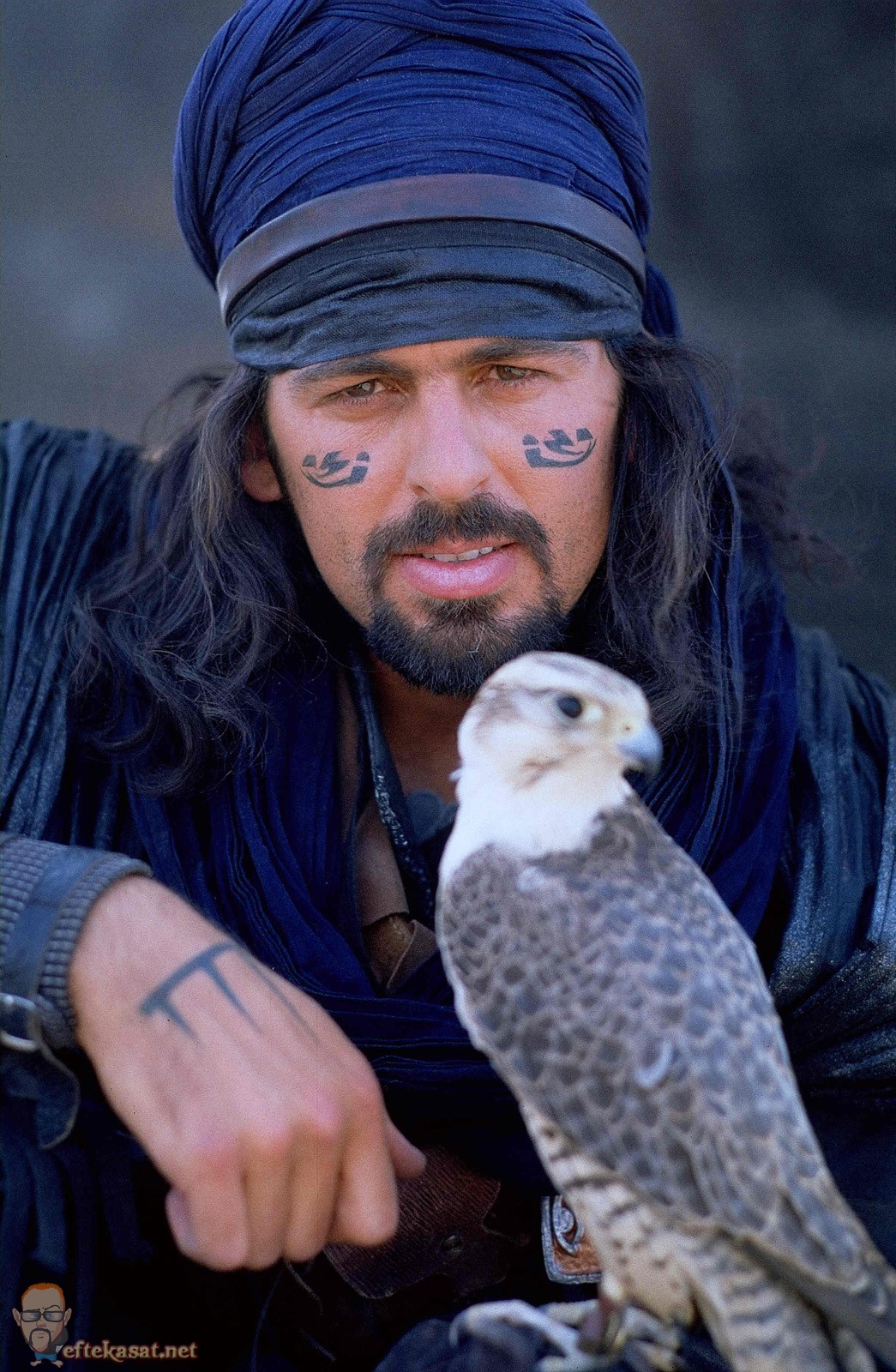
Ardeth Bay from the Mummy movies |
|
|
Captain Sean Renard from Grimm |
|
|
Jayne from Firefly/Serenity |
|
|
Aaron Hotchner from Criminal Minds |
|
|
Steve McGarrett from the NEW Hawaii Five-0 |
|
|
Younger Obi Wan Kenobi |
|
|
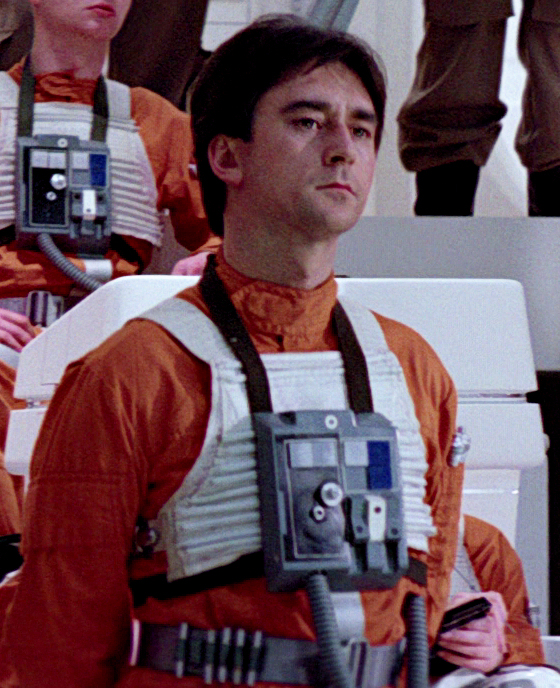
Wedge Antilles from the original Star Wars trilogy and the X-Wing EU book series |
|
|
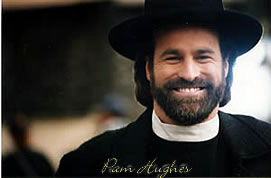
Rev. Timothy Johnson from Dr. Quinn |
|


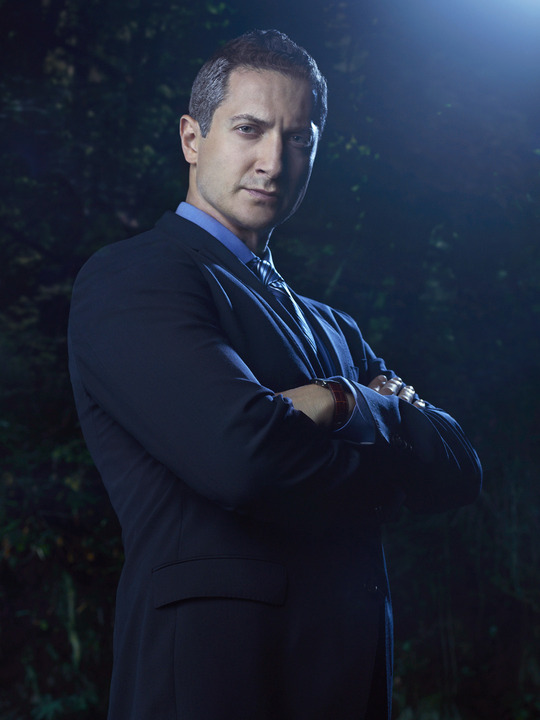
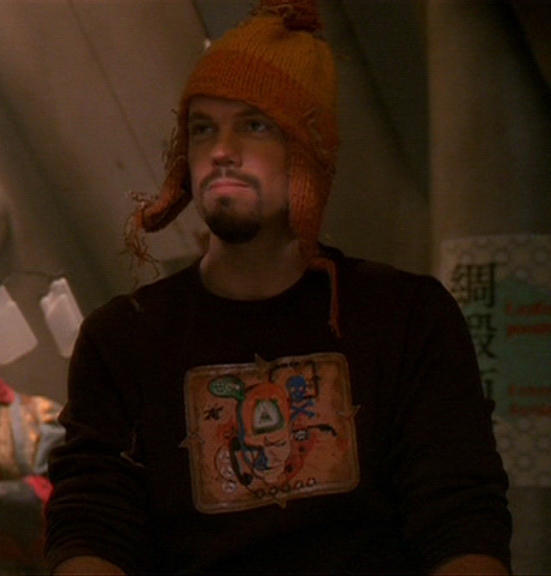

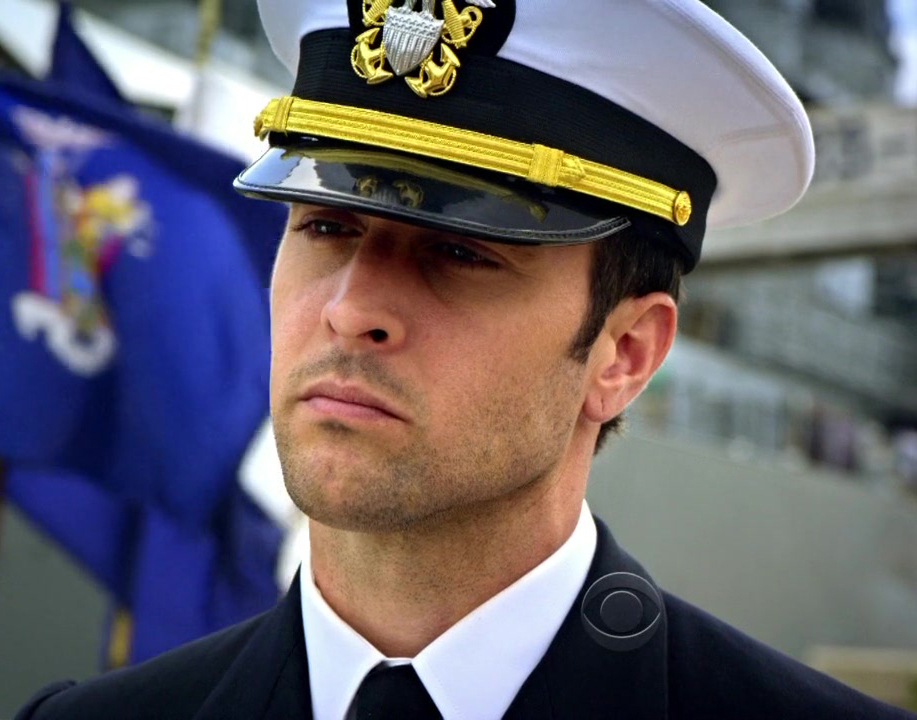
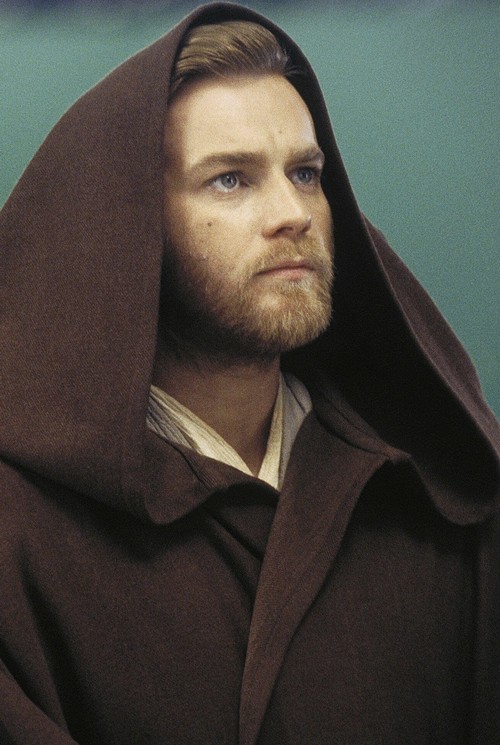
.
So, what non-romance character would you like to see get his (or her) own starring role in a romance?
***Confession time . . . I’ve started fan-fiction romances for three of the characters on this list. I’ll leave it up to you to guess which ones.
A Gift of “Art” for Valentine’s Day
 . . . . . . .
.
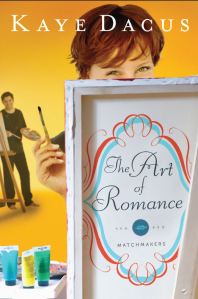
The Art of Romance
Copyright © 2011 by Kaye Dacus
Book 2 of the Matchmakers Series
ISBN-13: 978-1-60260-990-7
Barbour Publishing
. . . . . .Their food arrived. She’d barely had time to grab a sandwich from the snack bar in the student center between classes today, so she’d inhaled the first half of the Monte Christo sandwich before Riley had finished doctoring his hamburger and drowning his fries with ketchup.
. . . . . . “I figured you for a gal with a healthy appetite.” Riley reached over and squeezed her waist with his right hand, grinning.
. . . . . .She wouldn’t smack him. She wouldn’t. She wouldn’t. Forcing her fists to unclench, she reached for her glass and took a sip of tea to wash down her pique. “I’ve never believed in going hungry just to try to impress someone.” And frankly, the sandwich would probably be the most pleasure she’d get out of this evening—especially with the chipotle-spiced raspberry dipping sauce….
. . . . . . “So, anyway,” Riley picked up his hamburger and took a huge, sloppy bite of it. “I got the wrong-size pipe and had to go back to the plumbing center…” He chewed as he rambled on about his newest construction job.
. . . . . .Caylor almost gagged but moved her focus to her own food and finishing it. Which she did. And he was still talking.
. . . . . .Why was it that sometimes, when taken in small chunks—and when “on the job”—some people seemed perfectly nice, perfectly normal? But get them out into a social situation and they completely changed?
. . . . . .As unobtrusively as she could, Caylor reached for her purse, pulled out her journal, and wrote those questions down. Since she couldn’t stomach writing romance right now—because she couldn’t do it without thinking about Dylan—maybe she’d see if she could work that dichotomy into some kind of idea for a new novel.
. . . . . . “Come on, let’s go down for the dance lessons. They’ll save our table for us.” Riley grabbed her hand and started pulling her off the high, bar-style chair.
. . . . . .Caylor grabbed for her purse and looped the long strap over her head and across her chest. She already knew the dances they’d announced they were going to teach, but what the heck. This would give them something to do that didn’t involve Riley talking about plumbing supplies or nearly exploding gas lines.
. . . . . .Down on the dance floor with a couple dozen other people, Caylor actually started having fun. Most of the young women from a bachelorette party had come down also, and several of them managed to work their way between Caylor and Riley during one of the line dances.
. . . . . .She supposed she should make some nominal effort to “fight” for him, but she just couldn’t bring herself to do it. She was having too much fun dancing and helping a few middle-aged couples with the steps. When it came time for learning the two-step, Caylor begged off and returned to their table on the balcony overlooking the main floor. She ordered another iced tea—going wild and having them add raspberry flavoring to it—and perched on the chair at the high table and watched the dancing going on below.
. . . . . .Riley looked up a few times and waved. Impressive—even surrounded by the bachelorette party girls, he still remembered he was here with Caylor. He pulled out his phone and texted someone. Caylor’s phone chirped. A new message. From Riley. If you could order me another beer, that would be fantastic.
. . . . . .It would only be his second, and they’d be here for hours yet. It would be through his system by the time they left.
. . . . . .Or she could just pretend that she hadn’t seen his text. She shoved her phone back into her purse and pulled out her journal. It fell open to the pages she’d filled up back in December and January with descriptions and story ideas for Giovanni and Isabella’s story. She made the mistake of starting to read it—and lost herself. The bar, the noise, the music, the woman calling dance steps below—everything around her disappeared as her mind traveled back to Renaissance Italy.
. . . . . .Suddenly she was yanked out of her fictional world when someone grabbed the sides of her waist and squeezed. She stifled a scream and turned, ready to defend herself.
. . . . . . “Hey, you.” Riley’s forehead dripped sweat, and he leaned forward and kissed her cheek. “The girls want us to do some shots with them.”
. . . . . . “I don’t—No Riley, I don’t do shots.” Honesty time. “And I don’t think it’s a good idea for you to have anything else to drink tonight if you’re going to be driving me anywhere.”
. . . . . . “Aw…I’ll be okay. I can hold my alcohol. Speaking of… Where’s my beer?” He lifted the first bottle and shook it, then looked around the almost empty table.
. . . . . . “The server hasn’t been back yet.” Lame excuse, considering she sat only a few dozen feet from a huge bar.
. . . . . .But he bought it. “Oh, okay. I’ll order it when I order the shots. I told them I’d treat them since it’s a celebration. You sure you don’t want one?”
. . . . . . “I’m sure.” Caylor capped her pen, stuck it and the journal back into her purse, then crossed her arms and leaned on the table. By the time the warm-up band was halfway through their set, one shot had turned into four, and Caylor was pretty sure Riley had forgotten he hadn’t been hired to be the entertainment for the bachelorettes.
. . . . . .Caylor’s head throbbed worse than it had all day. She’d known this was a mistake, that she should have canceled. She should have trusted her gut instincts on this.
Read more…
Wordless Wednesday: A Knight in Shining Armor…or Chain Mail…or a Kilt…or ???

Image © Aleta Rafton
.
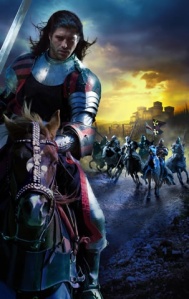
Image © Aleta Rafton
.
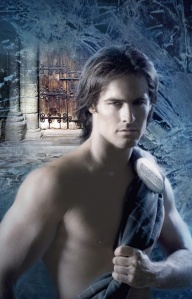
Image © Anna Kmet
.
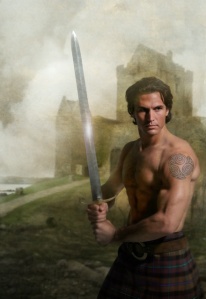
“Highland Rogue” © Phil Heffernan
.

Image © Larry Rostant
.
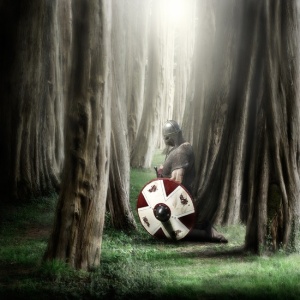
“The Fallen” by Ian David Soar
.

“The story of the solitary knight” by Julia Stupak
.
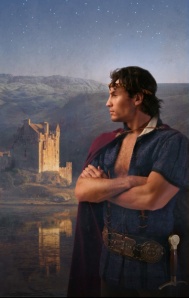
Warrior King (Harlequin) by Phil Heffernan
SCENE IT! How Long Should Scenes Be?
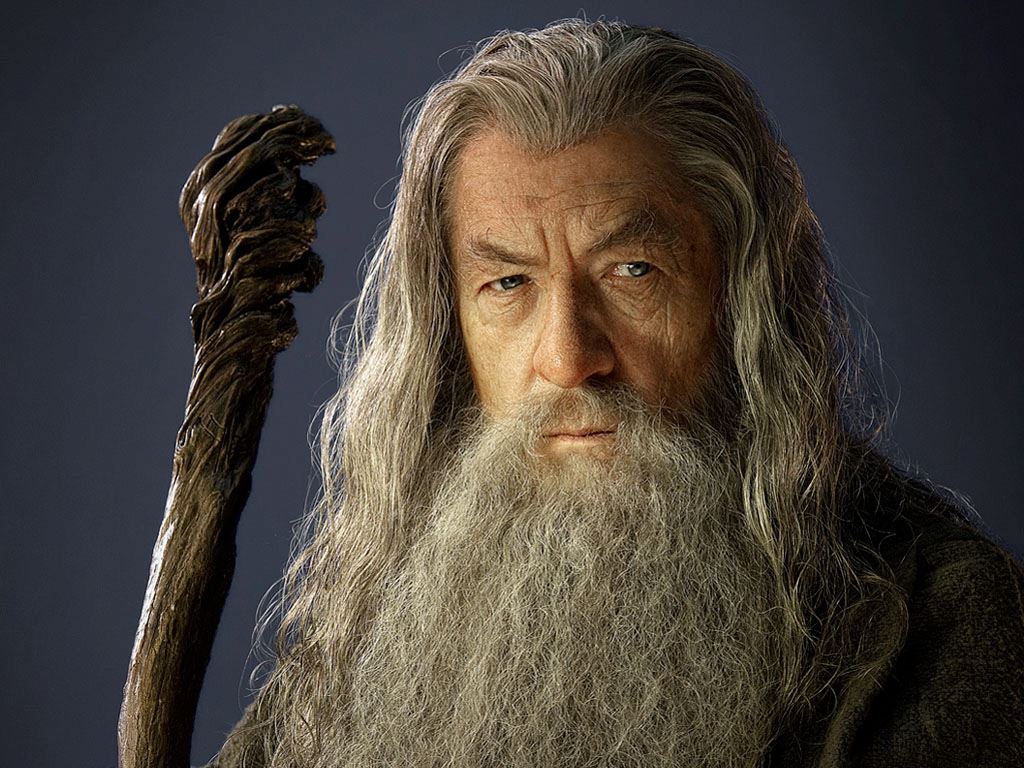
Image from McKellen.com
.
.
“A wizard is never late, nor is he early; he arrives precisely when he means to.”
~Gandalf in The Fellowship of the Ring
by J. R. R. Tolkien
.
.
.
.
Many published authors and, I would venture a guess, most unpublished writers would adhere to what I call the “Gandalf philosophy of scene length”: A scene is never too long, nor too short; a scene is as long as it needs to be.
I, however, do not subscribe to this philosophy.
Scene Length
As you have probably (I hope) learned as an avid reader, scene length varies from author to author and from genre to genre. There are some general guidelines, though, that will help you in determining what length your scenes should be for your genre, your pacing, and your voice.
According to Jordan Rosenfeld in Make a Scene . . ., “the ending of a scene provides a place for the reader to comfortably take a pause” (10). It’s also a place for you to switch viewpoint characters (within the same action in limited POV, or to move between actions/settings), take a breather from serious tension or action, or drop a bomb and leave the reader hanging. This is why it bothers me when I hear writers say that they write without scene/chapter breaks. Scene and chapter endings are what give your story its ebb and flow—it’s what builds tension and keeps the reader turning the pages. I’ve read many books which I suspect were written without such breaks, because when I got to the end of a scene or chapter, the break seemed arbitrary—kind of like when a commercial break is put in a weird place in a movie on broadcast TV. It’s disconcerting and pulls the reader out of the story.
A scene break also keeps the reader actively engaged in reading—because a scene break (or chapter break—which, let’s face it, is just a bigger scene break) makes the reader consciously decide whether or not to keep reading or to put the book down.
This is why scene length is important. But it’s also why knowing your genre and the pacing you want to create is important.
If you are writing a sweeping, historical family saga, women’s fiction, literary fiction, epic fantasy, etc., scenes (whether a POV break or an actual break in the action) of under 1,000 words are going to make the book feel choppy and as if it’s jumping around, not giving the reader time to get established in any one character’s viewpoint or location or time. Same goes for romance novels—even in category-length (45k to 60k words) books, you want to make sure you’re giving your reader sufficient time to connect with your character—because these genres are character driven. Even though each scene must move the plot of the story forward (after all, every story must have a plot), you are going to have a slower pace to that plot, because character development is just as important as plot development.
You’ll also find longer scenes work better in genres like science fiction and fantasy in which world-building and description are vital to immersing the reader fully into the world.
If you are writing suspense or thriller or anything that is plot driven, you will want to use shorter scenes. Shorter scenes speed up the pacing of the story—because a shorter scene length (under 1,000 words) means you must use that word count to convey the most important information; this time, it’s all about action and plot. It’s about what happens to the characters—not necessarily their reactions to it. It’s about action, not world-building or relationship development.
Also, the more viewpoint characters you have in a book, the more you’re going to want to lean toward shorter scenes, just to balance the viewpoints.
How many times have you been reading and you start flipping forward to find out how many more pages until a scene/chapter break? If it’s too long, you’re probably going to put the book down in the middle of the scene—not what the author wants to happen, because it means the reader’s interest is waning in what’s happening in this particular scene.
How long is too long?
Considering that the average chapter length in most character-driven popular fiction is between 3,000 to 4,500 words, that would be about as long as you’d want to make a single scene (which would be a chapter on its own). But you don’t want every scene to be this long.
When to use long scenes:
- To intentionally slow down the pace after lots of action or intense dialogue to allow the characters (and the reader) to process what just happened—and to start building new tension and suspense. But be sure to include action in such a scene!
- For a centerpiece action scene—a fight scene, a chase scene—in which your character is in peril to keep building the action and suspense and not interrupt the reader’s involvement in it.
- When a viewpoint character’s identity needs to be kept hidden from the reader
- When a viewpoint character is shy or withdrawn (while a more outspoken character gets longer scenes)
- To pick up the pace right after a long scene
- To leave the reader hungry for more by dropping a quick bomb
- To create a sense of urgency and increase the pace of the story, forcing the reader to keep reading.
How short is too short?
Anything under 1,000 words can be considered a “short” scene. There are authors who have made the very-short scenes work (James Patterson in When the Wind Blows uses scene-chapters that are around 500 words, or 2 to 3 printed pages, so it can work). If you use too many short (less than 500-word) scenes, it becomes akin to headhopping. Remember, the reader needs to be grounded in the viewpoint character’s head for long enough to get to know who the character is, especially in the beginning of a novel.
When to use short scenes:
The average scene should be between 1,000 to 2,000 words.
Keep in mind: Scene length affects the pacing of your novel. Shorter scenes mean faster pacing. Longer scenes mean slower pacing. What kind of flow do you want your novel to have? That will tell you if you want shorter or longer scenes.
I tend to average about 1,500 words per scene (which works out to five or six pages in a trade-fiction sized book). I will rarely put in something around 700 to 1,000 words (I used this more with the grandmothers’ viewpoint scenes in The Matchmakers series and in Ransome’s Quest in which I had six viewpoint characters). Because I have written this way for so long, this has become the natural pace for my voice as a writer. My storytelling style has developed to ebb and flow in that pattern. I will also occasionally write full chapters from one character’s viewpoint with no scene break. Sometimes, I will break action right at a tense moment to switch from one viewpoint character to another (but only after giving the first at least 1,000 words, and giving the second at least that much as well).
Go look back at the last ten scenes you’ve written. How long are they? What does that indicate about the pace of your novel? Is that the pace your novel should be? Do you notice a word-length pattern? What are your personal guidelines when it comes to scene length?
___________________________________________________________
Works cited:
Rosenfeld, Jordan E. Make a Scene: Crafting a Powerful Story One Scene at a Time. Cincinnati, OH: Writer’s Digest, 2008.
Tolkien, J. R. R. The Fellowship of the Ring: Being the First Part of The Lord of the Rings. Boston: Houghton Mifflin Harcourt, 2012.
* * * * * *
If you like what I do here and want to keep this content free,
consider supporting me and my work by buying me a coffee.

NEW SERIES! Scene It–Introduction
I don’t even want to think about how long it’s been since I’ve done a new writing series here. But there’s one I’ve been thinking about for a while, because it seems like I keep having to answer questions that would be covered by this.
Let’s Talk About Scenes
What is a scene?
Scenes are capsules in which compelling characters undertake significant actions in a vivid and memorable way that allows the events to feel as though they’re happening in real time. When strung together, individual scenes add up to build plots and storylines.
Jordan Rosenfeld, Make a Scene: Crafting a Powerful Story One Scene at a Time, p. 5
The Basic Ingredients of a Scene
A scene includes the following basic ingredients:
- A character or characters who are three dimensional and who are undergoing changes as each scene moves into the next.
- A specific point of view through which the reader experiences the events of the scene
- Something active occurring in real time (i.e., not just introspection or backstory)
- Story development that moves your plot forward and reveals more information about your characters
- Conflict, conflict, conflict
- Setting and description that grounds the reader in the physical aspects of your story world
- Some narrative/exposition—enough to get your characters where they need to go and express what’s going on inside their heads without overwhelming the reader
The main thing that makes a scene a scene is action—something needs to happen in the scene to move the plot forward in order for the scene to be relevant to the overall book. “Character development” conversations or conflicts are good—but they must move the plot forward. Otherwise, they’re stagnant and will drag the story down.
When all is said and done, scenes are the bite-sized pieces in which we tell and digest stories. But how do we make sure that they’re gourmet and not fast-food . . . or worse, inedible?
That’s what we’re going to look at in this series.
What questions do you have when it comes to how to create, format, and write individual scenes in your story? What aspects of writing would you like to see this series cover?
___________________________________________________________
Works cited:
Rosenfeld, Jordan E. Make a Scene: Crafting a Powerful Story One Scene at a Time. Cincinnati, OH: Writer’s Digest, 2008.

 KayeDacus.com