Fun Friday: More Character Casting!

Last week, I posted the templates I was using to help me write the proposal for my new historical series proposal. This week, I’m posting the templates I’ve chosen for my next contemporary series proposal.
Hearts Cove, Tennessee.
The place where even the hardest heart can find love.

Is the legend of Hearts Cove, Tennessee, true? Is there something mystical about the town that makes people fall in love? Or could the answer be a little more down-to-earth?
Book 1—A Love to Remember: Two people struggling with the upheavals of life are determined to keep their relationship professional as they both try to rebuild their identities after tragic losses—but they could be passing up their last chance for love.

Vincent d’Onofrio as Thomas Bechert.
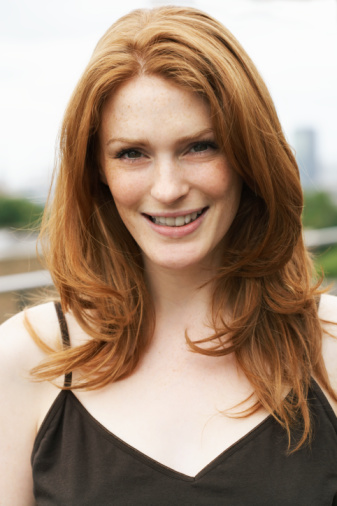
A Jupiter Images model as E.D. (Edie) Maclaren.
….
Book 2—Romance Realities: A former football star agrees to appear on a reality dating show only to discover it’s not one of the young women vying for the attention of the two bachelors but it’s their counselor whose heart must be won to grab the million-dollar prize . . . oh, and she just happens to be his ex-fiancée. Will the realities of money and fame ruin another pass at romance?

Adam Baldwin as Carleton Fuller
and Kate Dillon as Aubrey Peyton.
….
Book 3—Playing at Love: Brought in to save a struggling community theater group, a former teen heartthrob decides to entertain himself by wooing the director—but what starts as an act turns into reality when he does the unthinkable and falls in love with her.

Eddie Cibrian as Matt McCormack.

A Lane Bryant model as Lyric Donner.
….
Now all I have left to do is get those synopses written!


Where Do Stories Come From?
 I’ve blogged about this before, but I started teaching a new three-week “Creative Writing” class at church last night, and that was the gist of my first topic. Or it would have been if more than two people who are writing fiction had shown up (the other two are thinking about writing their memoirs). So I focused on talking about imagination, creativity, and inspiration instead.
I love this quote from C.S. Lewis:
I know very little about how this story was born. That is, I don’t know where the pictures came from. And I don’t believe anyone knows exactly how he “makes things up.” Making up is a very mysterious thing. When you ‘have an idea,’ could you tell anyone exactly how you thought of it?
If you think about it, published authors make their living (or would if we actually could make a living at it) for losing ourselves in the world of make-believe. Because that’s the only way to capture a reader’s imagination—if we let ours out to play first.
Some people seem to think that I began by asking myself how I could say something about Christianity to children; then fixed on the fairy tale as an instrument; then collected information about child-psychology and decided what age group I’d write for; then drew up a list of basic Christian truths and hammered out “allegories” to embody them. This is all pure moonshine. I couldn’t write in that way at all. Everything began with images: a faun carrying an umbrella, a queen on a sledge, a magnificent lion. At first there wasn’t even anything Christian about them; that element pushed itself in of its own accord. It was part of the bubbling.
~C. S. Lewis, “Creating Narnia”
As I mentioned Wednesday, I’m working on a new contemporary romance series proposal. I’ve already written the proposal part—which was the last part I did on the historical proposal that went to my agent on Monday. Why? Because I already know the basic story ideas for the three books I want to include in this series. Whereas I had to come up with three completely new story ideas and all new characters for the historical proposal, I already had these three ideas sitting in my Ideas folder on the computer—because I come up with a lot more ideas for contemporary stories than I do historical stories. Each of these ideas has been there for a while—the newest being about a year, maybe eighteen months, old and the oldest being about five years old. But as soon as I pulled them up and read them, they sparked my imagination. I started seeing images. A man who’s lost his purpose in life and let himself go—wild hair, scraggly beard, schlumpy clothes, a vacant look in his eyes. A woman on whom the stresses of almost twenty years as a PR person in the music industry has wreaked havoc—followed by losing her job because her boss embezzled money and bankrupted the label—but who’s trying to look like she still has it all together. A quaint town that has become a tourist spot mainly because of its name and the legend built up around it.
Some of you may have seen my tweet the other night:
I love that moment when I find the right real-world template for a new character!
The first of these story ideas in this new proposal came from my developing a crush on someone on TV. And even though I’ve cast someone else as the character—another TV crush (find out more tomorrow!)—there are so many little nuances about the person who originally inspired this character that I find myself watching his program with a notepad handy so that I can make little observations like this:
- 1-finger typer—types all the letters with the index finger of his right hand, uses the index finger of his left hand for the shift key. Rarely has to look at the keyboard.
Now, obviously, something like that does not make a plot. Or a subplot. Or even a goal, motivation, or conflict. But it’s fascinating to me, and an interesting character quirk. And it makes me fall in love with the character just a little more. It’s inspiring to me and makes me want to learn even more about the character and who he is and why he does things the way he does them.
This morning, I read this blurb on News Channel 5’s site (our local CBS affiliate):
- A man was killed and a woman was critically injured after being struck by a car Wednesday night in South Nashville. The incident happened on Nolensville Road near Harding Place.
Witnesses told police the two people stepped right into the path of the car. Police do not expect to file charges against the driver.
And, after the initial tragedy of the incident passed, my writer’s brain went into overdrive. Who were these people? (Were they on their way to Walmart, or coming from Walmart?) Why would they seemingly step out in front of an oncoming vehicle on purpose—together? Why didn’t any of these witnesses try to stop them? Who was the driver—and what is that person thinking/feeling/dealing with this morning? How did the first first-responder on the scene deal with it—professionally and emotionally? What if there’s actually something more sinister at work here?
A suicide pact between two young lovers forbidden to be together. A driver who inadvertently killed someone and is so affected by it he/she decides to make a complete life change—affecting everyone in his/her life. A police officer who’s seen just one too many senseless accidents in his career. A paramedic who gets a sense of victory out of saving the life of the woman who survived. A possible hitman or assassin.
Five or six characters and story ideas from a single 50-word news blurb. And those are ideas I’ll never even use.
So now I put the question to you:
Where do stories come from?
RC & LR Questions Answered
I promised I’d answer the questions last week, but time got away from me, so here are the answers to the questions posted last Tuesday.
- Regina asked:
- I have a question concerning writing in series format. When you go from book one to book two (and subsequent books), is it difficult to switch your mindset to a different main character? It took me a few pages to get into that mindset in RC – which made me MORE than glad you are still following Julia and William’s love story, as well! Oddly enough, I don’t have as much of a problem switching allegiance in contemporary stories. Very strange….
It wasn’t difficult in going from Ransome’s Honor to Ransome’s Crossing, because the only new viewpoint character I added was Ned—and I’d already started getting to know him and wanting to see things from his perspective the more he became incorporated into the storyline of Ransome’s Honor. With Ransome’s Quest, not only do I have the viewpoints of William, Julia, Charlotte, and Ned, I also needed to include the viewpoint of the pirate Salvador, as he is a central figure to the story. I’ve been wanting to get inside Salvador’s head for years now, so writing scenes from his viewpoint was not difficult.
But there’s another pirate, a certain guy named Shaw, who held me hostage for quite some time—which is why I stalled out for a couple of months around the 10,000-word mark, because it was time to introduce him, but I just wasn’t sure how I wanted to. I actually still have this hanging on my office door, even though the book was turned in almost two weeks ago:
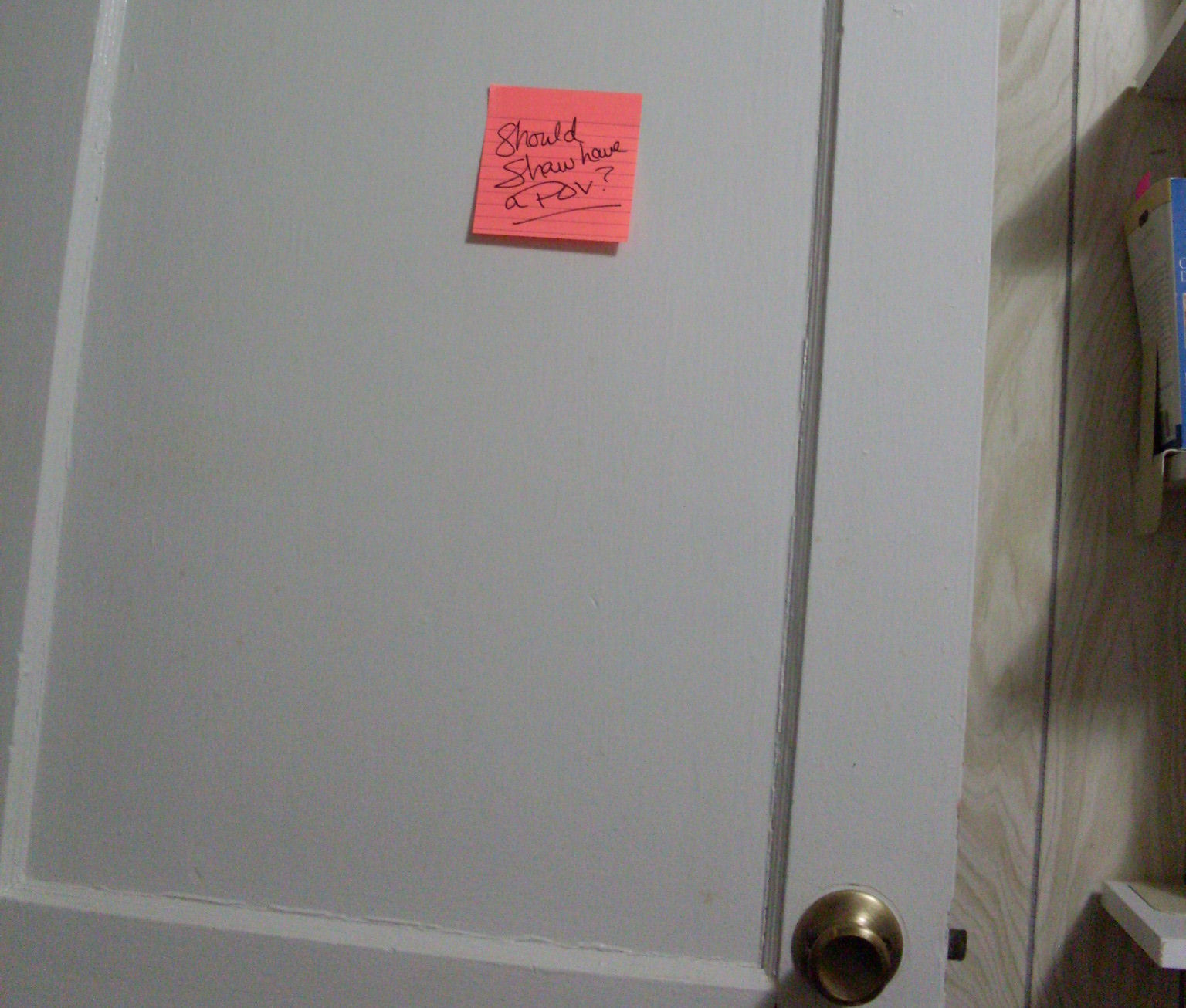
Once I answered that question, I was able to move forward with the story.
It’s different with a continuing-story series than it is a series that are stand-alones. I think it’s a little more difficult to build an emotional bridge to a new viewpoint character in a continuing story—that’s one of the reasons why the “rules” of writing tell us not to introduce a new viewpoint character near the end of a novel because by then, the reader has already made her emotional connections with the viewpoint characters. But in a story that stretches out for more than 300,000 words and into three separate volumes, there are necessarily going to be characters whose viewpoints need to be introduced in Book 2 or Book 3, while others may go away—just like soap operas are constantly introducing new characters, because you can only have a believable amount of conflict for a handful of characters for so long without introducing someone else who has something to win/lose and who needs to be known from the inside-out as he or she introduces all new conflicts for the characters we’ve been with throughout the series.
It’s different with the contemporary novels, because I go into those knowing that each book is only going to focus on the hero and heroine of that particular book (with a few scenes from the grannies’ perspectives here and there in the Matchmakers series). In the scene I’m working on right now for The Art of Romance, I actually found myself starting to write it from Zarah’s viewpoint instead of Caylor’s. I know a lot of authors will have the couple from a previous book continue to be viewpoint characters in the next book, but that feels like a betrayal to me of the girl who waited patiently through the previous book to get her chance to be the princess, to be the one who gets her own spotlight. I do really like having the viewpoint characters from one book come back as recurring secondary characters throughout a series, though—so much that I incorporated that structure in the new historical proposal I just sent off to my agent!
- JJ asked:
- How do you decide the amount of back story to include for a main character? For example, Bobby’s life in California must have given you an interesting challenge and set of choices!
I try to get as much of my characters’ backstories worked out before I sit down and start writing the book. If I’m completely versed on what that character has been through and what they were doing right up until the moment they “walked onto” the page, it’s less of a temptation for me to try to figure out their backstory as I’m writing—and I’ve found myself doing that when I introduce a new character, or when a new aspect of their personal history comes to me as I’m writing. I find that most of that information isn’t necessary. I try to look at it in the light of—if I were sitting down at The Frothy Monkey having a conversation with this person over a cup of coffee and a sandwich, how much would I reveal about myself and my background to this person? How much would I expect that person to reveal to me?
As their creator, I need to know as much as possible about them so I know just how much to reveal—and how it’s going to make them react to situations and interact with people. So before I start writing the book, I do something like this (click image to see the full page in PDF format):
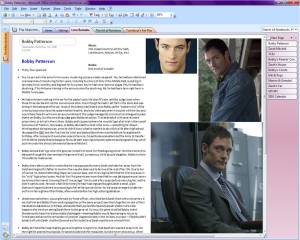
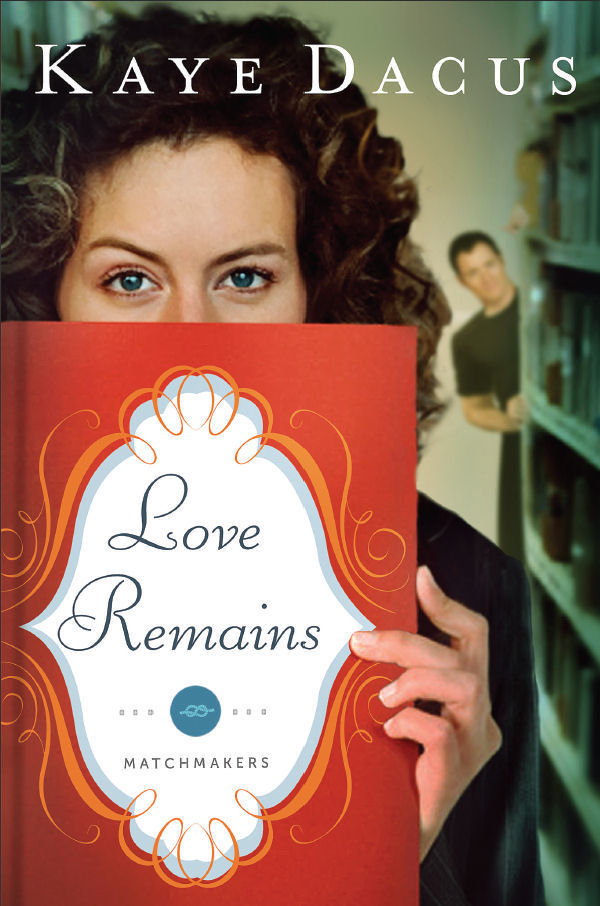
And even with as detailed as that is, some of that backstory changed after I started writing the book and realized certain things weren’t plausible—and some other things changed during the editing process when the copy editor raised some questions as well. Because the characters’ past histories—both from when they were together and after they broke up—were vital to how the actual story played out in Love Remains, it was equally vital that I was well versed in what happened to them during those fourteen years, because that would affect the way they interacted with each other when they came back together.
How much backstory to include is definitely a learning process. My early manuscripts have so many info dumps and backstory segments that it’s embarrassing (which is why only my mother and grandmother have read those). Having completed nine full manuscripts (including the three full mss I wrote before I wrote Stand-In Groom) it comes a little easier to figure out when backstory is necessary and when it’s just me trying to figure out on the page where the character has been and what he was doing before the story started. It’s so easy to spot in others’ writing. It’s a lot harder to spot in our own—but after a while, we do develop a feel for it.


Writer’s Window: Lori Benton
Aren’t we all curious about the people who read/comment on the same blogs we do? Well, that’s how I started getting to know today’s featured writer, Lori Benton. I’ve known Lori for a couple of years now, and I’m finally going to get to meet her face to face at this year’s ACFW conference!
Lori blogs about the writing journey/process/industry at Past Perfect.

What do you like best about being a writer?
- Discovering my characters with all their nobility and failings, and falling madly in love with them.
What do you like least about being a writer?
- The hardest part of the writing process for me is the first draft of a scene. Once I have something down on the screen my brain unclenches and I feel more like a kid at play. Until then, it’s mostly like pushing rocks uphill with my brain. While I can’t say I dislike it, I like it much better at the end of the work day than I do those first few minutes in the morning when I sit down to the computer.
Pop, Soda, or Coke? What do you call it, and what’s your favorite variety?
- Soda. I’m a Coke girl, but don’t drink it often.
Describe your favorite pair of shoes.
- It’s summer, so it’s sandals (I can’t stand wearing socks and shoes in summer). They’re Skechers and they look like something you could go hiking in. Wide, distressed leather straps connected by stretchy bits, closed toe. If it was winter, it would be a pair of Mudd ankle boots with fat high heels that make me look tall but don’t make me topple over.
What’s the most fun/interesting/crazy/scary/unique hands-on research you’ve done for a book?
- Nothing too crazy or scary. I took a road trip with a friend from Wisconsin down to Tennessee and North Carolina and back, visiting many of the locals where my novel, Kindred, is set. Meeting sweet little old Hazel at the Hot Springs, NC, visitor center (it was a red train car), who gave us both a cow magnet that still lives on my fridge, and then trying to find Paint Rock along the French Broad River, will live on as one of my favorite memories.
Candles. We all have them. But do you burn them? What scents are your favorite?
- I burn them in the cooler months. I like vanilla, bayberry, or anything with an autumn-cinnamon spice to it.
Have you ever re-gifted something someone’s given you?
- Oh sure.
If you were to write a novel about what your life would have been like if you’d become what you wanted to be at eight years old, what kind of character would the story be about?
- A biologist who lives in Montana with the wolves she is studying.
What makes you happy?
- Seeing or even sensing God’s hand at work in me, or those I’m linked to. Oh heck, even in the lives of characters in the stories I read and write. Nothing else is so joyful. Little Debbie Boston Crème Rolls also make me happy.
What makes you nervous?
- Being the center of attention in a group for more than about twenty seconds. I’m much better about this now. I used to have a ten second limit.
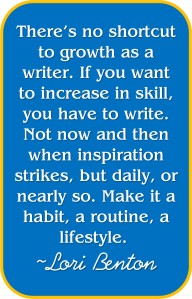 What’s the best piece of writing advice you’ve ever received?
- The best advice I’ve received might seem a no-brainer, but it’s crucial. There’s no shortcut to growth as a writer. If you want to increase in skill, you have to write. Not now and then when inspiration strikes, but daily, or nearly so. Make it a habit, a routine, a lifestyle. The second best advice I’ve received is, be a reader, one that devours book like others do caffeine. So there you have it: write, read… repeat.
What’s your biggest dream for the future?
- I really would like the experience of holding a published novel of mine in my own little trembling hands.
Tell us about what you’re currently writing (or your newest release, or both).
- My agent is submitting Kindred, set in 1793 North Carolina: When the master’s nephew returns to Mountain Laurel, the boundaries between the big house and the slave quarter are irrevocably breached, and a slave finds her lifelong secret perilously exposed.
And I’m working on The Quiet in the Land (working title: Willa), set in 1784 New York: A young woman returns from Indian captivity to find she must disprove a charge of treason to save her family’s land from confiscation, forcing a frontier town still reeling from a devastating revolutionary war to divide once more over hatred, fear and prejudice.
Willa is a companion book of sorts to Kindred, set in the same fictional world, though the storylines won’t converge until/if I write a sequel for Kindred (and a sequel is bursting at the seams to be written).
Where can people find out more about you/connect with you online?
- At my blog: http://loribenton.blogspot.com/ Please drop by and say Hi.
——————————————————————–
 Lori Benton writes historical novels. Just now her fascination is with the 18th century and the diverse frontier cultures that clashed and blended in the crucibles of settlement, slavery, and war during the Colonial, Revolutionary, and Federal eras of American history. Since mid-April of 2010, Lori has been represented by Books & Such Literary Agency.


Fun Friday: Who’s on My Mind
If you’ve been following my intermittent Twitter/Facebook updates, you know that I’ve been working on a new historical series proposal for the last ten or twelve days. I wrote a proposal for “next generation” Ransome series, but then realized just how hard marketing a continuing-story series like that is and decided I would focus on a series more like the contemporaries—where each of the books can stand alone and they don’t have to be read in a particular order.
So I’ve come up with new characters and new story ideas. And as you well know, I can’t come up with new characters and story ideas without doing something very important . . .
Character casting!
So here are some of the templates/characters who’ve been on my mind over the past week or so. (And as I’m writing this late Thursday night/early Friday morning, I’m still working on the idea for the third book. Oh, and I’m having issues coming up with titles, so the titles listed are working titles and apt to change…multiple times.)
Book 1: Follow the Heart
An American woman is sent to England to marry wealth, but finds herself torn between the poor man she loves and the viscount who offers the wealth and stability that can save her family.
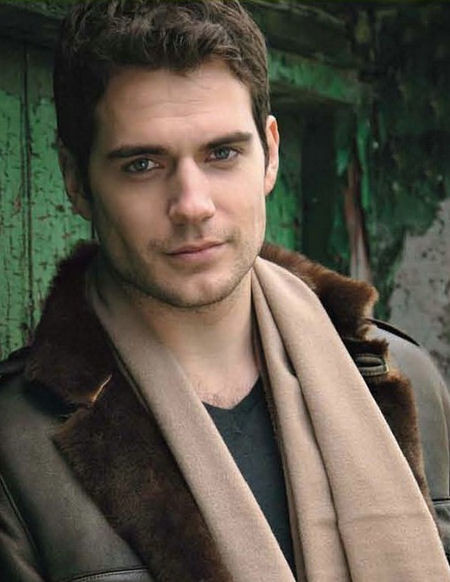
Henry Cavill as Andrew Lawton, a garden designer from Devonshire who has been engaged to redesign and rebuild the gardens at Wakesdown Manor, just outside of Oxford.
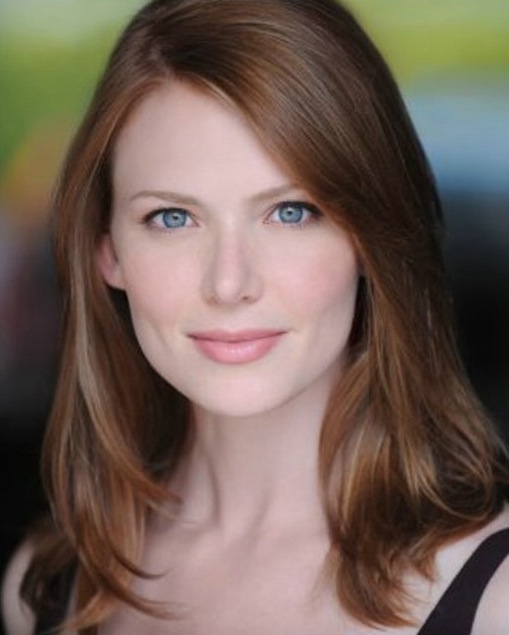
Holley Fain as Margaret “Meg” Dearing, an American sent from her home in Philadelphia to live with her mother’s cousin, a baronet, in Oxford to find a wealthy husband who finds herself torn between the poor man she loves and the viscount who offers the wealth and stability that can save her family.

Lee Pace as Christopher Dearing, Meg’s younger brother, also sent to Oxford to marry money.

Olivia Hallinan as Honora Woodriff, the Buchanan governess who catches Christopher’s eye.

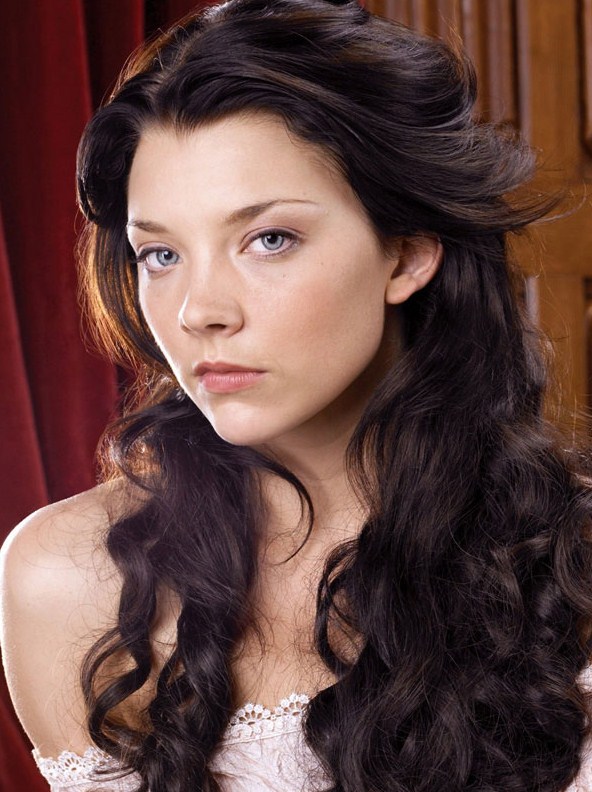
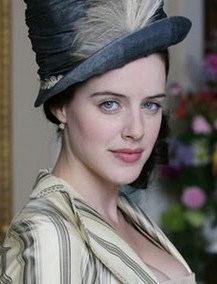

Anthony Head as Sir Robert Buchanan, Meg and Christopher’s mother’s cousin; his daughters Edith (Natalie Dormer), Dorcas (Michelle Ryan), and Florie (Georgie Henley).
Book 2: An Honest Heart
A physician with a secret past falls in love with the daughter of one of his patients. He must choose between revealing his past and risk losing everything or keeping his secret and watching her marry another man.

Chris Hemsworth as Dr. Neal Stradbroke, a physician with a secret past that could destroy everything he’s worked since childhood to build.
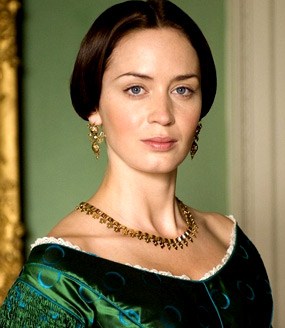
Emily Blunt as Cadence “Caddy” Bainbridge, a seamstress working hard to support herself and her ailing mother.
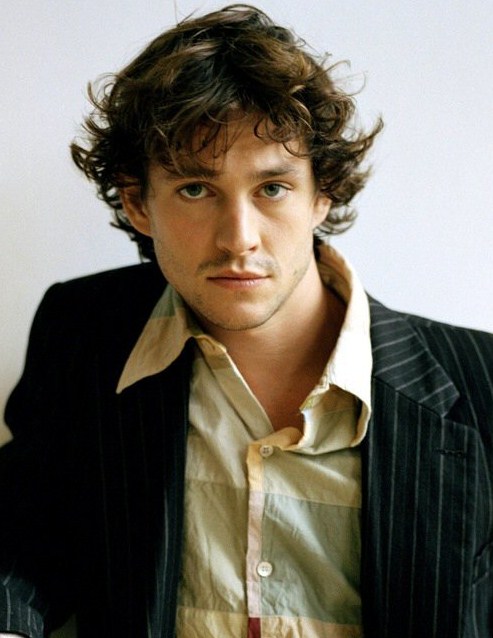
Hugh Dancy as Oliver Carmichael, a wealthy young man who has never been denied anything—except the attentions of a certain seamstress.

Natalie Dormer as Edith Buchanan, thwarted in her plans for an advantageous marriage when Lord Thynne fell in love with her American cousin; Edith now has her sights set on Oliver Carmichael—and isn’t about to lose him to the village dressmaker.
Alice Krige as Mrs. Bainbridge, Caddy’s ailing mother.
Book 3—The Heart That Waits
Lord Brightwell wants to be loved for himself, not his money or title. Mercy Timperleigh has never married because of the shame of her family’s past. When the aristocrat and the schoolmistress fall in love, is it a love that has been worth waiting for?

Daniel Craig as Stephen Brightwell, Viscount Thynne. With the recent death of his brother and his inheritance of the title and estates—and his brother’s young son and daughter—Stephen has turned his mind to marriage.

Rosamund Pike as Mercy Timperleigh, proprietress and headmistress of Miss Timperleigh’s Seminary for Young Ladies in Oxford.

Kimberly Nixon as Frances “Frannie” Grey, a teacher at Miss Temperleigh’s Seminary for Young Ladies.
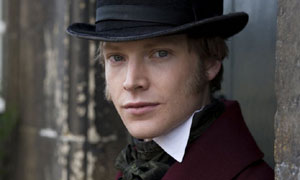
Simon Woods as Benedict Norton-Conyers, a scholar and former schoolmaster who’s come to Oxford looking for a position as a private tutor.
————————————————————–
So, there they are. That’s who’s been on my mind the last several days.


Ask a Question: Ransome’s Crossing and Love Remains
I just realized that after the introductory posts for each of my summer releases, I never put up the final post I’ve done for each of the other releases: Ask a Question, Any Question.
As a refresher, here are the introductory posts for the two books.
 Posts about Ransome’s Crossing:
Character Introductions
The Settings
Life Aboard Ship
Officer Ranks and Uniforms
 Posts about Love Remains:
Meet the MATCHMAKERS
The Story Behind the Story
Character Casting
The Setting
So now it’s your turn. What questions about either (or both) of these books do you have that I can answer for you? Post them today and I’ll do my best to answer all of them on Thursday.
Writer’s Window: Laura Frantz
Over the last couple of months, I’ve had the blessing of starting to get to know fellow historical romance author Laura Frantz. So far, we’ve only met online, but I hope to be meeting her in person soon! I’m so excited for y’all to get to know her better, too. And I’m anxiously awaiting the day when I’ll have time to read, because Laura’s books are definitely on my must-read list!
Courting Morrow Little
Caught between the wilderness and civilization, Morrow Little must find her way to true love.Morrow Little is haunted by the memory of the day her family was torn apart by raiding Shawnee warriors. Now that she is nearly a grown woman and her father is ailing, she must make difficult choices about the future. Several men–ranging from the undesired to the unthinkable–vie for her attentions, but she finds herself inexplicably drawn to a forbidden love that both terrifies and intrigues her. Can she betray the memory of her lost loved ones–and garner suspicion from her friends–by pursuing a life with him? Or should she seal her own misery by marrying a man she doesn’t love?
This sweeping tale of romance and forgiveness will envelop you as it takes you from a Kentucky fort through the vast wilderness of the West.

What do you like best about being a writer?
- Working at home after being in a classroom or office for thirty-plus years. Also, happy readers are simply the best!
What do you like least about being a writer?
- I think some negatives would be the demands placed on writers—all the other stuff they must do besides writing (marketing, networking, etc.). Since I’m happy to sit in my corner solo and just enjoy the JOY of writing, this has been somewhat of a shock to me. Mix in a family and church and life and you get a very bumpy ride:-).
Pop, Soda, or Coke? What do you call it, and what’s your favorite variety?
- Since I’m a Kentucky girl, we call it all Coca-Cola no matter if it’s Dr. Pepper or Pepsi or something else entirely. Out here in the northwest woods, everything is Pop. Personally I love Diet Dr. Pepper Cherry.
Describe your favorite pair of shoes.
- Oh, without a doubt my Sketchers—so feminine with all those blue and pink stripes and buttons and bows :-). You can run a mile in them or go to some book function.
What’s the most fun/interesting/crazy/scary/unique hands-on research you’ve done for a book?
- I lived in a British castle. Does that count? When I did, I just knew the Lord meant for me to write a book about it someday. And so I did—the sequel to The Frontiersman’s Daughter. But my publisher didn’t ask to see it and I’m glad they didn’t!
Candles. We all have them. But do you burn them? What scents are your favorite?
- Oh, love them! But I burn them sparingly as they’re expensive. My fave is Yankee Candle Company’s Vanilla Lime. If you close your eyes you can almost believe you’re in the tropics sipping on an alcohol-free Margarita :-).
Have you ever re-gifted something someone’s given you?
- Yes, books, especially those I know I’ll never read. Like the Oprah recommended books and things like that.
If you were to write a novel about what your life would have been like if you’d become what you wanted to be at eight years old, what kind of character would the story be about?
- I did write the book and it was published! I refer to the The Frontiersman’s Daughter as the book of my heart because at age seven I wanted to be the daughter of Daniel Boone, and I spent my childhood imagining what that must have been like. Thus you have the story of Lael (aka Laura) in the howling wilderness of 18th-Century Kentucky.
What makes you happy?
- Knowing I’m in the center of God’s will for me. It took a long time but I feel I’m where I should be. Having a family is such a blessing. Becoming published never fails to amaze me!
What makes you nervous?
- Recently I heard a fellow author say that publishing will break your heart. I think they were talking about the industry. My concern is that the joy of writing is often lost in the publishing process. Christian authors really need to remember WHO they’re writing for and that it’s not all about them to stay grounded.
What’s the best piece of writing advice you’ve ever received?
- To write what you’re passionate about. If you do that passion will come through to the reader. If you write for the market I don’t think it will.
What’s your biggest dream for the future?
- To see my sons develop into healthy, godly men like my brother, Chris, who lives in Spain as an international worker/missionary.
Tell us about what you’re currently writing (or your newest release, or both).
- I just finished The Colonel’s Lady on August 1. It’s a story set in 18th-Century Kentucky and involves a Revolutionary War hero and a spinster. My second book with Revell, Courting Morrow Little, just released in June. I’d love for readers to go to Christianbook.com or Amazon and read the blurb!
Where can people find out more about you/connect with you online?
- I love to see people at my blog/website http://www.laurafrantz.net
———————————————

 Laura Frantz credits her 100-year-old grandmother as being the catalyst for her fascination with Kentucky history. Frantz’s family followed Daniel Boone into Kentucky in 1792 and settled in Madison County, where her family still resides. Frantz is the author of The Frontiersman’s Daughter and Courting Morrow Little and currently lives in the misty woods of Washington State with her husband and two sons.
Fun Friday: What Would You Wear to the Ball? (Redux)
This is another re-post of something from last year. This is something that never loses its charm, for me, anyway.
Last year when I posted this, I had been writing Charlotte’s debut ball scenes in Ransome’s Crossing and bemoaned how, in 1814, there really isn’t much to describe when it comes to the ballgowns a young debutante has to choose from:


And, by the way, in case you didn’t recognize it from the description in the book, I ended up putting Julia in the dress that I chose last time as my ballgown, even though it’s a slightly later design:

Ceremonial gown of Dowager Tsarina Maria Fyodorovna, c. 1820-1830
But now that I’m finished with Ransome’s Quest, I am officially closing the book on the Regency era (at least for a few years) and starting in on my new historical-era passion: the early Victorian age. Since I’m still in the development phase of my new historical proposal, I’m not certain just how many occasions I’ll have to put my characters in formal gowns, but there is so much more variety to choose from, to describe for all occasions:


Now, here’s my challenge for you. Imagine you’ve been invited to a “Celebration of Historical Costumes” Ball. Post a link to an image of what you would choose to wear—from any era of history. Here are several links that might be helpful:
Nineteenth Century Fashions
Vintage Textile
The Victoria & Albert Museum
The History of Costume
The Costume Gallery
The Met Museum
The Costumer’s Guide to Movie Costumes
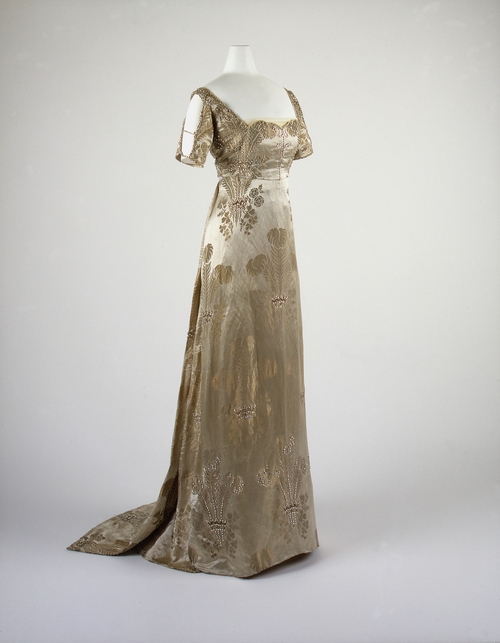
I went back through all of the links we posted last year, and this is the gown I’m choosing to wear to this imaginary ball this year:
What Should I Watch?
After a business call this afternoon, I plan to spend the rest of the weekend resting my brain in front of the TV (well, Netflix, actually). There are so many TV shows and movies that are available to watch instantly online (whether on Netflix, Comcast’s On Demand online service, or Hulu) that I’m not sure where to start.
I’m all caught up with Bones (eagerly awaiting the series premiere of that this fall!), have completed Buffy and Angel, and really don’t want to watch all of the British costume dramas I have saved in my Netflix queue (trying to clear my mind of all of that kind of stuff so I won’t think about everything I know is wrong with RQ, which I’m afraid my editor is going to absolutely hate anyway). There aren’t a lot of newer movies that are available to watch instantly, and I’m pretty much sick of my DVD collection.
So throw me some suggestions.

Come On In, the Water’s Fine
 There’s a glorious swimming pool you’ve always dreamed of swimming in, but it’s an invitation-only kind of place, and there are certain expectations you must meet. So you take swimming lessons. As you look around at the other people in the training pool, you discover there are some people who’ve been taking lessons for years but have never tried to qualify for entry into big pool. You realize you don’t want to be one of those people. The big pool is your dream, where you want to be. So you workout all through the fall, winter, and spring. You make good food choices and drink lots of water. You keep a food journal; seek support, advice, encouragement from friends and mentors; you tweak your exercise and eating plans where necessary.
Finally, warm weather arrives. You’ve learned all the skills necessary to swim. You’ve lost that extra ten (twenty, thirty, fifty) pounds and are pretty stinkin’ proud of the way you look . . . except that your legs are a little pasty, but, really, whose aren’t this time of year? Then, you see the ad on TV—your favorite department store is having a HUGE sale on swimsuits, this weekend only.
Suddenly, you aren’t feeling quite so confident about your toned up, slimmed down body. You wonder if you really learned the lessons on how to swim, drank enough water, cut enough calories, did enough spinning-pilates-yoga classes. Saturday morning arrives with the moment of truth: do you go out in public and let your appearance there announce to everyone else that you intend to swim in the big pool or do you stay home and just keep dreaming that, someday, you’ll swim there?
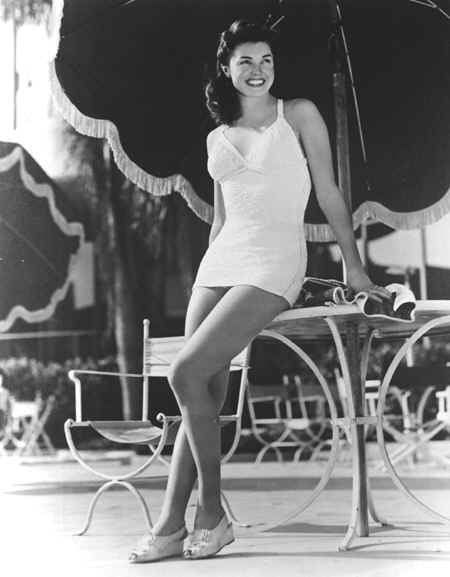 You buck up the courage and go. And you find the most perfectly adorable swimsuit ever. It covers what needs to be covered and flatters everything else. You also run into several people who’ve been swimming in the big pool for years and talk to them—you ask their advice, listen to how they first got to swim over there, share your dream with them. You take your suit home and hang it on the closet door so it’s the last thing you see before bed and the first thing you see when you wake up. It encourages you to keep eating right, to keep exercising. Now all you have to do is wait until it’s warm enough outside to swim.
Then, it comes. Your invitation to the big pool. You can’t believe it. You call all your friends and family to tell them the news. You write about it on your blog. Everyone celebrates with you.
The day arrives. You get to the changing room at the pool house—and it’s luxury you never imagined: Italian marble and Brazilian mahogany and Egyptian cotton. There are so many people sitting around, drinking iced tea, and complimenting each other’s swimsuits and tans. You step into a changing room and put on your perfectly adorable swimsuit. And then you worry. Those other swimmers looked so much better in theirs than you do. You’ll never measure up.
But this is your dream. So you come out of the changing room. You even garner several compliments on your figure and your swimsuit. Your confidence is restored. You think about just hanging out at the pool house today, but then you remember what you came for. You grab one of the thick, plush, fluffy towels, fling it over your shoulder and follow the “This Way to Pool” signs. You step outside. The sky and water are perfectly blue, the sun is warm. There are many people in the pool already (but it’s so huge that it’s never crowded).
You look around.
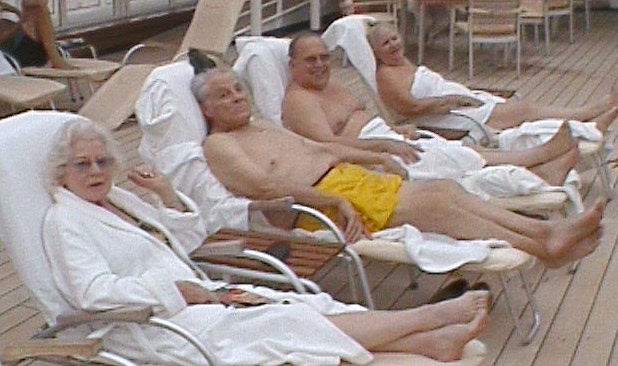 There are a bunch of people sitting in chairs under an awning just looking on. They’re kind of pudgy, very pasty, and look afraid of the water. But they got here, so they must have done something right at some point.
 There is another group just beyond the chair sitters who are lounging in the sun, tanning up. They still look pretty good, but it’s obvious they have not come here to swim but to bask in the rays. Still, they must have done something right somewhere along the way, because they got their invitations.
 Several people sit or stand at the side of the pool, dipping their toes in it. They talk back and forth amongst themselves and occasionally call out to the people in the pool—the water is too cold, too hot, too crowded, not crowded enough; it has too many chemicals, not enough chemicals; it’s too deep, too shallow; the requirements for entry aren’t strict enough, they’re too strict. They even tell the people swimming in the pool they aren’t doing it the right way and yell out advice on how to do it better.
Looking around, you realize you recognize people in each of these three areas from the training pool. People who, like you, went to learn how to swim because they dreamed of swimming in this pool. It makes you wonder why they haven’t gotten in the water yet.
There are dozens of diving boards—which everyone knows is the best way to get into the pool—so there’s never a queue. The most popular ones are low to the water’s surface, but there are some that are so high they make your head spin just looking up there.
 You decide you’re going to go ahead and take the plunge. You find an open diving board and climb up. Heart racing, you stand at the back and look down the length of it to the water beyond. It’s so long! You take one step, then another. The pool is so much closer than you imagined. Finally, you step to the end of the board.
In the pool, you see all of those people whom you’ve longed to be with, whom you’ve longed to swim like. Some are doing a leisurely backstroke. Some are freestyling to rival Michael Phelps. There are even three or four here and there who are synchronized swimming.
Your gaze moves to the water below your feet. Instead of clear and blue and warm, it now looks murky, dark, cold. Fear grips you. If you jump in, you’ll drown because you didn’t learn your lesson well enough. You don’t have your floaties, your life jacket; the training pool was less than five feet deep, while this pool could drown a giraffe. A couple of people standing on the side yell at you to get off the board because with your pasty legs, you’re definitely not ready to get in.
You look down and realize they’re right. You can’t get into the pool with pasty legs! You immediately get off the board and hurry over to the area where the sunbathers are. Looking around, you see so many people have such a massive head start on you when it comes to tanning. But you do have to wonder at those who have already reached what you think is the perfect shade—why are they still over here tanning instead of in the pool swimming? But it’s your first day, so you spread your towel and lie down—making sure you can still see the pool and dreaming, some day, you’ll be tan enough to get in.
 The summer goes by—and before you feel like you’ve attained your perfect tan (after all, there were lots of distractions that kept you from going to the pool every day), the pool closes for the season. You’re disappointed that you never got to get in the water, so you console yourself by going back to the training pool. You recognize so many people there from the big pool—the ones sitting under the awning, the sunbathers, the hecklers along the side. They get into the training pool, but even here they don’t work as hard as they could. The sunbathers work on the same stroke over and over and over, never wanting to learn any other way to swim. The chair sitters swim half a lap with one stroke and then stop to watch everyone else, before finishing the lap using a different stroke, never mastering any. And the hecklers want to show everyone how they’re better at swimming than anyone else, even those people who were out in the big pool. These are not the people you want to be in the water with! But you realize that lying on the side of the pool all summer, you’ve let yourself go—stopped watching what you ate, stopped working out, forgot some of those lessons you learned. So you spend the fall, winter, and spring re-training, learning new swimming techniques, adding new exercises, cooking new foods.
 The next summer comes, and you’re ready. You’re getting into the pool this time. You go get a new swimsuit (because sunbathing ruined last year’s). Opening day is announced. Everyone in the pool house tells you how much better you look this year than you did last year—your suit is cuter, your body looks better, you still have last year’s tan. This fills you with confidence, and you go out with your head held high. Once again, you get on the diving board and step out to the end. Sure, the water below you still looks dark, murky, and cold, but this time you’ve learned lessons on how to deal with that.
Someone standing on the side yells at you that your brand-new, cuter-than-last-year’s swimsuit is out of season, doesn’t fit right, doesn’t look good on you and you’re too pasty to get in the water and they remember you from the training pool and don’t think you have what it takes to swim in the big pool.
You stand there, unsure what to do.
This happens every day for weeks. You’re losing your confidence in yourself and your hope that you’ll ever see your dream of swimming in the big pool happen.
Finally, the last day before the season ends, you get up on the board. The hecklers are lined up, ready to tell you why you aren’t ready to dive in. You know what they’re going to say—you say it to yourself every night when you get home after not getting into the pool.
Then, down in the pool, someone swims up to the side, looks up at you and says, “Come on in, the water’s fine.”
You ask them if they can come out of the water and hold your hand as you jump in.
“No,” they say. “You have to take that first step yourself.”
Someone else swims by and tells you they like your swimsuit and how you look in it.
But the hecklers’ voices are still loud in your ears.
Still another swimmer surfaces and tells you they saw you swimming in the training pool and you’ve got what it takes to swim in this pool.
The hecklers yell that the water is too far down and you’ll drown as soon as you jump in.
Another swimmer comes along and says, “We can’t swim with you if you never jump in.”
So you . . .


