Debunking Writing Myths–“Never use fragments, one-word sentences, or one-line paragraphs.”
 Never use fragments, one-word sentences, or one-line paragraphs.
.
.
 If it makes sense, works for the story you’re telling, and flows for you, use it.
.
I’m elbow-deep in judging entries in a national contest for unpublished authors right now. And in so doing, it’s easy to see which writers use fragments, single words, and one-line paragraphs because they’ve seen it in published books and thought it looked cool—but it isn’t a natural part of their voice/style as a writer—and for which ones it flows naturally. Because when it’s something that is natural and comfortable for the author, the reader won’t even notice it.
I recently read a historical romance in which the author employed a purposeful technique of dividing up complex sentences into incomplete fragments. It got to the point where not only was it noticeable, it was jarring and got to be annoying after awhile—because all she needed was a conjunction or a verb and they would be complete sentences which would have flowed much better.
When fragments, one-word sentences, or one-line paragraphs are forced, it’s obvious. So how do we make this part of our writer’s toolbox?
Not everyone will. This may not be a technique that will work for every author. Most of us who employ this technique may not even realize we’ve done it until we go back and re-read what we wrote during the revision process. And sometimes, what we think works well as a fragment may not work for readers—because they don’t have the whole story and backstory running through their head as they’re reading the way we do.
But when they work, they really work.
Fragments, one-word sentences, and one-line paragraphs are very handy when there’s something important, something vital happening—and the author needs to punch home a point. Fragments and one-word sentences work well after long sentences. One-line paragraphs work well to break up a page of long paragraphs of narrative.
Let’s look at the opening paragraphs of Ransome’s Quest:
- No moon. Wispy clouds hid most of the stars. He could not have asked for a more perfect night. Before him, the house glowed like a lantern atop the hill. Behind him, his men waited for his command.
Julia Witherington was back in Jamaica. Finally. The pirate paused a moment, trying to count the years—the ages, the epochs—he had been on the quest to strike back at Admiral Sir Edward Witherington.
Julia was married—and had brought her husband here with her. The inimitable Commodore William Ransome. The admiral’s favorite; the man he’d taken publicly in hand as son long before Ransome married the admiral’s daughter. The one man in the world the pirate hated almost as much as the admiral.
And from later in the book:
- “You owe me a pair of boots, Miss Ransome.” Salvador tossed the waterlogged ones back into the privy. Suresh bustled about him, helping the captain don fresh hose and boots, a neckcloth, waistcoat, and his gold braid–adorned coat.
Charlotte did not dare move throughout the proceeding. Once Salvador again resembled a Royal Navy commodore, he crossed to exit the cabin; but before he did, he turned and looked at her.
Here it came—the rebuke for her action. Would he yell? Be deadly calm like William?
“In that trunk, there”—he pointed to an ornate chest under the hammock she’d slept in—“you will find clothing you can borrow until yours dry.” He left the cabin, Suresh his silent shadow.
Strange man.
Unsure of when the pirate captain or his steward might return, Charlotte peeled out of her wet dress and crossed to kneel before the trunk. She lifted the lid, and a delicate scent of roses met her nose. Closing her eyes, she inhaled the scent, picturing herself in Lady Dalrymple’s rose garden again.
Sure, I could have made those all into complete sentences:
- There was no moon.
Julia Witherington was back in Jamaica, finally.
Julia was married—and had brought her husband, the inimitable Commodore William Ransome, here with her.
Captain Salvador was such a strange man.
But see how they lose their impact that way?
Sometimes, I fight with these fragments and one-liners. Sometimes, they do come out initially as the less impactful full sentences—but that’s what the revision process is for. Sometimes, I write the fragment and when I go back and re-read it later, it doesn’t even make any sense to me. But for the most part, when I’ve lost myself in the flow of the writing, these things happen naturally—because my writer’s voice has taken over and drowned out the internal editor that tells me shouldn’t/can’t/don’t/never.
But I have to go back to why I first started using this technique. I started using this technique because it came naturally to me. I love long, drawn out, complex sentences. But I can’t structure every sentence that way. And sometimes, I just need to quip. And that’s what a fragment or one-line paragraph is. It’s the punch line. It’s the quip. Even if it’s not meant to be funny—even if it’s meant to be jarring or suspenseful. It’s the slam of a door, the bang of a gun. The piece you want to stick out for your readers to remember.
Fragments. Love them, hate them. They’re here to stay.
Do you notice it when authors use fragments, one-word sentences, and one-line paragraphs? Does it ever get to a point where it’s so noticeable it takes you out of the story? As a writer, have you ever struggled with this technique or tried to implement it even if it didn’t feel natural?
Writer’s Window–Nicole O’Dell
 Joining us today for Writer’s Window is young-adult fiction author Nicole O’Dell.
One lucky commenter* will win a signed copy of Nicole’s latest release, Swept Away, a 2-in-1 featuring two of Nicole’s innovative “interactive” young adult novels: High Stakes and Essence of Lilly. Deadline for leaving a comment to enter the drawing is Friday. To enter the drawing, you must answer the question posed by Ann at the end of the interview. Only one comment per person will count toward the drawing. You do not need to include your e-mail address in the body of your comment—just make sure it’s correct when you sign in to leave your comment. The winning name will be drawn next weekend and announced on the next Writer’s Window post. Congratulations to Amee, who won the drawing for last week’s featured book.
- *U.S. residents only, void where prohibited. If you win the drawing, you will be ineligible for the next three drawings, though hopefully you will still come back and join in the discussion.
__________________________________________________________
Decisions, decisions! How is a girl supposed to choose? Lessons of right and wrong are put to the test in the Scenarios series, where you can test your decision-making abilities in an eye-opening, but safe, way. Each book follows a character up to the point where she has to make an important, life-changing decision—then it’s your turn to choose. Will your choices lead to a happy ending?
In High Stakes, seniors and best friends, Amber and Brittany, are neck and neck in a good-natured competition for a car being given away by a local business. In Essence of Lilly, sophomore Lilly Armstrong is always looking for ways to escape the confines of her unhappy home. She “invents” youth group activities just so she can hang out with her boyfriend, Jason—the only one in Lilly’s life who makes her feel special. What happens when Amber and Lilly are faced with making difficult choices? Readers help Amber and Lilly make the difficult decisions by choosing between alternate endings, and then see how their choices create consequences with life-altering results before Amber and Lilly get SWEPT AWAY!
Click here to view the video trailer.
Welcome, Nicole!
What do you like best about being a writer?
- I love change. I couldn’t stand doing the same thing every single day for a long period of time. So I love that writing gives me the opportunity to make any kind of change I want to. I get to tell any story I want to tell and, beyond that, I get to wear the hats of many different people. One day I’m a writer, the next I’m an editor. Then, next week I might be a marketer, promoter, speaker, teacher, etc. It’s perfect!
What do you like least about being a writer?
- There is a limit to what a person can do. I think I’ve reached my limit for this year as I now have 400k contracted words to write before December 1 (hopefully by the time this interview posts it will be closer to 300k). The thought of that scares me a bit, but it also excites me to no end. Still, it’s frustrating that there’s absolutely no room for any new projects right now. Or the flu. Or. . .
Pop, Soda, or Coke? What do you call it, and what’s your favorite variety?
- As a Chicagoan, it’s definitely Pop!
What’s your favorite dessert?
- Gummy bears. 🙂 I really love the white ones best. But if I were at a restaurant ordering a real dessert, it would be something gooey covered in hot fudge.
What’s the most fun/interesting/crazy/scary/unique hands-on research you’ve done for a book?
- Right now I’m researching for a book for parent about their teens and online activity. It’s taken me deep into the archives of Pervertedjustice.com. Let me tell you, it chills e to the bone to face the reality of what goes on out there.
What’s your favorite movie from childhood?
- Hmm, from childhood…Ice Castles and E.T.
Ice Castles
was also a book—I wore my copy out and had to buy a second one. With E.T., I remember being in the theater watching as he soared over the moon on that bicycle. 🙂If you were to write a novel about what your life would have been like if you’d become what you wanted to be at eight years old, what kind of character would the story be about?
- A pediatric Doc Hollywood who rid the world of childhood illness and had fun doing it.
What makes you happy?
- Well, I’ll be honest. I’ve had some serious angst lately over the very real phenomenon known as Writer’s Hiney. It seems to be contagious and spreads like wildfire. Spreads—get it?
Anyway, I found this amazing contraption on Amazon called Surf Shelf. It attaches to my treadmill and I’m able to strap my laptop on and walk while I work. As I’m answering this interview, I’m walking the last bit of my two hours for today. In the past six days, I’ve walked over 30 miles. It makes me happy because I don’t like feeling like a sloth!
What makes you nervous?
- Did I mention those 400k words?
What’s your biggest dream for the future?
- Six successful, happily married kids, and at least a dozen grandkids.
Tell us about your newest release and what you’re working on now.
- My Scenarios interactive fiction books for girls are releasing in a 2-in-1 format. Books 1 and 2 (Truth or Dare and All that Glitters) are in the 2-in-1 called Dare to be Different. Books 3 and 4 (Magna and Making Waves) are in the 2-in-1 called Risky Business. And releasing at the end of this week, Scenarios 5 & 6—Swept Away.
Diamond Estates is a new series I’m doing with Barbour.
The first book, The Wishing Pearl, releases on 10/1/11:
- Sixteen-year-old Olivia Mansfield can’t wait to escape the confines of her home, which promises nothing but perpetual torment and abuse from her stepfather. When poor choices lead her to the brink of a complete breakdown, Olivia comes to a crossroads. Will she find the path to ultimate hope and healing once she moves into Diamond Estates?
I’m also working on various projects to go along with the enhanced eBooks we’re doing for Scenarios. Those will release this August.
Where can people find out more about you/connect with you online?
Now it’s your turn to ask the question. What question do you want to ask the commenters to answer?
- Are you watching American Idol? I’m polling everyone! What do you think of the judges? How about the contestants? If you don’t watch AI, which reality shows do you like?
__________________________________________________________
 She writes. She talks. She reads. She changes diapers. Nicole O’Dell is a mom of six–including a set of toddler triplets who may or may not be potty trained sometime in 2011. Jury’s still out on that one. She is the author of a bunch of YA books, including the popular Scenarios for Girls interactive fiction series and the upcoming Diamond Estates Series, 10/11. She’s also the host of Teen Talk Radio at www.choicesradio.com. You can find her books and links to all the fun social stuff at www.nicoleodell.com.
March “Maid”ness–Entries 5 & 6
Sarah H.
- I was maid of honor in a friend’s wedding. I only got the role because I was one of the few unmarried friends Kayla had (it was important that I be a true “maid” and not a matron) and I was the only one able to fit into the bridesmaid dress she had selected. When she started dating her husband-to-be, she and her mother selected the exact dress and dress size she wished her maid of honor to wear. The only other unmarried friend who was roughly my size (and Kayla’s first choice for a bridesmaid) conveniently claimed she had a prior engagement on Kayla’s wedding day. The fact that I was her second choice of bridesmaid, a detail which she surprisingly saw fit to tell me and the knowledge that she had preselected the size of her bridesmaid before becoming engaged should’ve told me what I was in for.
I was expected to help hand craft the wedding invitations—a purple frilly invite covered in butterflies and dripping in glitter. No matter how hard I scrubbed my skin afterwards, the glitter clung to me for weeks and there is still glitter in my car even to this day. In addition to helping the bride dress, I was supposed to ask the bride every 15 minutes if she was thirsty or had to go to the bathroom. So every half hour I would have to take the bride to the bathroom and have the bride sit on the toilet in case she didn’t know that she had to go.
Pictures needed to be taken before the ceremony, which caused the groom’s aunt to freak out and declare the day was doomed to bad luck if the bride and groom were to see each other before the wedding. She insisted Craig be brought into the room with his eyes closed so he couldn’t see Kayla in her dress and that he needed to keep his eyes closed throughout the pictures so he would be surprised when he saw Kayla at the altar. The photographer actually took a couple of pictures with Craig’s eyes closed. The bride’s family and the groom’s family then began to argue with each other for about ten minutes about whether Craig should have his eyes open or closed during the pictures. Finally, the bride and groom declared they didn’t want their wedding pictures to have Craig with his eyes closed and that they didn’t believe seeing each other before the wedding would result in bad luck. The groom’s aunt was so upset by this declaration that she left the room during pictures and had to be persuaded to attend the wedding. When it came time for the reception, the mother of the bride asked me to guard the gift table just outside of the reception hall, in case someone came in off the street and tried to steal the gifts. I stood at my post during the whole reception and didn’t even get a piece of cake.
Kate B.
- Loretta asked me to be one of her bridesmaid two months before her summer wedding in our small hometown. She and her sister, the maid of honor, had chosen our off the shoulder, full-length bouffant yellow chiffon dresses from a catalog. Yellow is not my color. I look like a corpse, or at best, really, really tired. My friends continually check the whites of my eyeballs for any signs of jaundice when I have attempted to wear yellow. However, having been schooled by my mother in proper social graces, I only had kind remarks regarding the bridesmaid dresses.
“Wow,” I declared, “I think I can even wear this later. It’s a great summery color.”
My mother had to make alterations in the bodice and hem. I’m petite…in every sense of the word. Every time I tried on the dress, I felt like a small cardboard sun in a grammar school play about springtime, smiley face and all.
Rehearsal was a disaster. Loretta’s former high school English teacher had agreed to be the “wedding planner.” The mother of the groom, though, had usurped control, constantly interrupting and shouting out orders. The pastor, knowing this woman’s reputation, followed her directions like a well-trained dog on a leash. The rest of us rolled our eyes in frustrated silence until we could gather to complain.
The weather was sunny and breezy the day of the wedding. Loretta, barefoot and beautiful in her white sequined dress, walked the path through the rose garden to stand beside her love-struck groom. The ceremony went off without a hitch.
We adjourned to the community center for the reception. I filled my plate and took a seat next to Loretta’s mother. I had taken my first bite of potato salad, when the groom’s mother plunked her drink, her plate loaded with food, and herself directly across from us. She and Loretta’s mother engaged in conversation, and I visited with Loretta’s grandmother on my right.
Without warning, the groom’s mother reached forward slapping Loretta’s mother across the face. Loretta’s mother jumped out of her seat, stretched across the table and grabbed the other woman’s hair, pulling her face down into her plate of food. Both women stood on opposite sides of the table, growling like grizzly bears ready for battle. Their husbands arrived, dragging them into separate corners, imploring them to stop.
A tearful bride and groom pleaded with their guests, “Please, we just want to have fun. We just want everyone to get along, please!” Fortunately, the two mothers managed to refrain from any further fracas. I was one shocked bridesmaid.
Once again, congratulations to all six entrants, who will each receive a signed copy of the Brides of Bonneterre 3-in-1!
March “Maid”ness–Entries 3 & 4
Rebekah W.
- Every wedding has some funny story that follows. A bride slipping down the aisle, cake being smashed in the face, or that embarrassing uncle that you wish you didn’t invite. My story falls under none of those.
My friends and I are close, sisters in Christ, separated at birth you get the story. If someone does something silly or embarrassing, the others will not let you forget, and will bring it up when other conversations die. My friend Christina got engaged to a wonderful man on Valentine’s Day in 2009. They were and still are perfect for each other, the red headed duo!
The night of the rehearsal dinner, everything was going smoothly. The bride-to-be and her soon to be hubby sat next to each other surrounded by the wedding party. The maid of honor sat next to her across from her husband. I was sitting down a few seats away from the bride, talking to the other bridesmaids when suddenly there was a shout. The whole wedding party looks over and the maid of honor’s face was turning bright red from laughing.
What had happened was she had reached over the table and had knocked one of the candles in the middle of the table over and the hot wax had splattered all over the front of her husband’s pants! Thankfully, no real damage was inflicted, yet it left a lasting memory for all of us to look back on and laugh about.
The next day, my friend Christina married the love of her life in a beautiful church in Charleston. Tears came down her face as she said her vows, and some of the bridesmaids got teary too. To lighten the mood so she could talk, the maid of honor whispered behind her, “hot wax.” Christina got the joke and smiled, and she was able to finish her vows.
To wrap up this story, at the reception and as a surprise to the bride and groom one of the guys from our church dressed up as James Brown and danced and sang to them. No one was expecting it to happen, which made it funny and awesome. It was certainly a weekend to remember!
Sherrinda
- Just walk down the aisle and ignore the mass of eyes glued on my belly. Seriously, haven’t people seen a six-month pregnant bridesmaid before? The only consolation was my sister coming in behind me, with her belly as big as mine. The poor bride, my youngest sister, had two out of her four bridesmaids pregnant and looking “oh-so-lovely” in our royal blue taffeta.
My sister, the matron-of-honor glows with pregnancy and she steps up to take her place beside me. My heart swells with pride as my three-year-old son walks through the doors and down the aisle. He holds a satin pillow in his hands and stomps up the stairs to stand between the groom and best man. Then my sister, the bride, comes in all her glory to meet her groom.
It was a lovely ceremony, but grew long. My son fidgeted, twisting around to gaze at the audience. Then to my horror, he stuck his finger up his nose and dug around for buried treasure. Not only did he find treasure, he promptly buried his treasure on top of the best man’s shoe. My cheeks grew hot. I hear a snort and a giggle behind me, and my preggo sister’s shoulders shake in front of me. I bite my cheek to stifle the laughter welling up inside.
I glanced at my sister, the bride, who is gazing at her groom with adoring eyes—oblivious to my son’s shenanigans. A snicker behind me made me glance back at my son. He was going for more treasure and the poor best man, hands clasped, his head facing the pastor, scooted his foot around, trying to dodge the gooey offering.
What do I do? I glanced at my husband sitting in the audience. He shrugs his shoulders and shakes his head. Ignore it. Right. A small guffaw sounded behind me and I turned around to see the last bridesmaid bent over at the waist, her body shaking with suppressed laughter. The bridesmaid directly behind me grinned at me, tears streaming down her face.
I turned back toward the front, and saw my son squat beside the best man, trying to get a closer shot at his shoes. The best man had given up, and let my son have his way, using the shoes as his canvas, adding more texture and depth.
“At least he isn’t eating them.” The whisper came from behind, along with a muffled snort.
I lost it, and from then on struggled with my pregnancy-challenged-bladder. My son continued to dig, and the giggles and snickers went on for what seemed like an eternity—until the pastor ended, and the bride and groom kissed.
My son got a huge round of applause when he exited the stage, and this not-quite-so-proud-momma was just thankful he hadn’t burst a blood vessel in his excavation.
Now that would have been a disaster!
March “Maid”ness–Entries 1 & 2
Just in case you didn’t see my announcement on my Facebook page, I only received six entries in the March “Maid”ness contest. So there will be no voting—all six will be receiving a signed copy of The Brides of Bonneterre 3-in-1 omnibus when it comes out in May.
But, as promised, I will be posting the entries today through Friday for you to enjoy!
Regina M.
- I’ve only been a bridesmaid in two weddings, and was matron-of-honor in both. My best friend’s wedding went smoothly. We won’t talk about the dark green, tea-length, off-the-shoulder taffeta bridesmaid dress, which we wore with opaque cream-colored hose and dark green shoes. Oy.
As if that weren’t bad enough, it would be my SISTER’S wedding that was the most nerve-wracking moment, almost, of my LIFE.
As I said, I was the matron of honor. What I didn’t mention was that both my kids were in it (4-year-old Ellen was a first-time flower girl), and husband a groomsman. In the flurry of making sure everybody ELSE was fixed up properly, I forgot one small thing . . . the groom’s ring . . .
When I realized what I’d done, I slowly looked out into the crowd. Fortunately, my aunt, in the audience, caught my eye when I went into panic mode. As a musician partner of mine from way-back, I just looked at her and mouthed, “The ring.” She instantly mouthed back, silently, “Where is it?” and proceeded to make her way to the dressing room, gave the ring to the last bridesmaid, then they palmed it up to me, first in line. My sister caught wind and her eyes got HUGE. My then-future-bro.-in-law thought he must have left off an article of clothing or something. . . .
Lady DragonKeeper
- The flower girl was dressed as an Ewok, complete with a furry-eared hood. “Yoda” came next, waving his plastic lightsaber proudly as he ambled his way down to the beat of the iconic John Williams-composed theme. I sighed in relief when I saw the brown pillow strapped to his back still held two silver rings and that my nephew didn’t attempt the acrobatic feats of the character he impersonated.
Trista and Brandon had always been the types to go against “the norm,” so it shouldn’t have surprised when their wedding invitation mentioned: “Costumes keeping in theme is welcomed and encouraged! Please no Slave Leias or Twi’leks clothed for employ at Jabba the Hutt’s. Let’s remember the younglings and keep things rated G.” Don’t worry, they weren’t into the Jedi religion or anything like that. But since Bran and Tris met at a sci-fi convention two years ago, they thought it’d be fun to incorporate the love of Star Wars that brought them together into a unique and memorable wedding.
In college, Trista and I were avid cosplayers—the roommates who obsessively copied movie costume details with our ever growing sewing skills. While I never attended sci-fi conventions until I knew Tris, she was an old pro. Her father had been a fan ever since seeing Star Wars at the theaters in 1977 and she fondly recalled going to “cons” with her dad and older brother. Tim grew up to be a die-hard Trekkie, but we still attended cons together despite the lively debates the siblings had on topics such as “blasters vs. phasers” and “Who’s the better captain, Kirk or Solo?”
Before I knew it, I was at the front with the pastor and the rest of the bridal party. Brandon’s white shirt and black vest clearly echoed Han Solo’s and the rest of us were attired in various Jedi tunic/robe ensembles. As the delicate opening notes of “Across the Stars” began to play, the bride began her walk down the aisle, escorted by her brother.
Trista’s white gown rivaled that of a princess—Princess Leia, that is. Belted at the waist, the silky white fabric flowed in smooth lines down her body. If there was any question about who inspired her look, Trista’s long brown hair was knotted in two buns that covered her ears.
As the happy couple traded vows—then a kiss—I couldn’t help but think that the wedding had gone perfectly …
“May I now present Mr. and Mrs. Brand—”
Three uniformed Starfleet officers entered the courtyard followed by one Klingon wielding a bat’telh.
“What are they doing here?” I heard Trista whisper.
Tim was grinning like a Tusken Raider’s bantha in an oasis. He looked a bit handsome in a black ensemble that vaguely resembled Luke Skywalker’s Return of the Jedi outfit, but right now he seemed more like mischievous Anakin.
I shook my head in disbelief. “Trekkies.”
Debunking Writing Myths—The Opening Salvo
Never open with dialogue. / Never open with description. / Never open with introspection. / Never use was and/or had in opening lines. / Always open in media res.
The rules to follow for your opening lines are that they capture the readers’ attention and that they set the tone for your story.
At the ACFW conference last year, I had the blessing of sitting down with Teresa Lockhart and Dorothy Adamek who wanted to pick my brain a little about some conflicting information they’d been hearing in workshops and agent/editor appointments. In the same day, they heard one person say, “Never open with dialogue,” and another workshop leader give examples of “great openings”—some of which happened to be dialogue. So what were they to glean from that?
Only that there are as many ways of opening a story as there are authors to write them.
Never open with dialogue.
Opening with dialogue can be great—it immediately gives your reader a feel for the characters’ voices and personalities—so long as you balance that dialogue with action and introspection that makes the reader immediately connect with the characters. Don’t open with dialogue just because that’s the “easiest” way to drop a reader into the middle of a scene. Opening with dialogue must be a deliberate choice—and it must be the right dialogue.
- In Writing Dialogue, Tom Chiarella wrote: “All good dialogue has direction. It’s a mishmash of needs and desire on the part of an individual character weighed against the tension inherent in the gathering of more than one person. . . . This is the stuff that fills the spaces between us, even when we don’t recognize it. As a writer, you have to learn to trust that it’s there” (21).
Dialogue that opens a novel must be directional—because it’s what’s setting the story in motion. For example:
“You did what?”
Forbes Guidry sank into the tall-backed leather chair, extremities numb, and stared at the couple sitting across the desk from him. As a partner in the largest law firm in Bonneterre, Louisiana, he’d heard a lot of shocking things over the fourteen years he’d been practicing. But nothing had hit him quite like this.
(from A Case for Love)
This opening line of dialogue goes deeper than Forbes’s shock at what he’s just heard his sister say. The opening of the novel is the beginning of the end for Forbes—at least, the end of life as he knows and controls it. Even though he may not ask this question again in the book, it’s a question that lingers throughout his story arc as he sees things happening around him that he can no longer control (or that he was deluded enough to think he controlled in the first place).
Never open with description.
This is a “rule” that’s come into being only in the past twenty (or fewer) years—as movies have set the standard for what we expect when we sit down with a book. No longer are we going to give it twenty or thirty pages to set the stage and introduce the characters. We want action and we want it now.
But wait . . . opening with description—the right kind of description—can help set the mood/tone of a book like nothing else:
No moon. Wispy clouds hid most of the stars. He could not have asked for a more perfect night. Before him, the house glowed like a lantern atop the hill. Behind him, his men waited for his command.
Those are the opening lines of Ransome’s Quest. Are you getting a sense of mood? Of the tone of this opening—of the book? Of course, this is description that also includes character—it’s not just a sterile, poetic description of the setting, it’s a character’s view of the setting.
Never open with introspection.
At the 2008 ACFW conference, James Scott Bell told us to think about the openings of our novels like a movie or stage play. If a character is just sitting around thinking, it’s going to get really boring on that screen/stage pretty quickly. And this is very good advice. But that’s not to say that you can never open with introspection—especially if you have the character doing something while they’re thinking:
Ned Cochrane, First Lieutenant, HMS Alexandra, stepped out of the jollyboat onto the stone dock and glanced around at the early morning bustle of the dockyard crew. Only nine days remained to fill the crew roster and fit out the ship with the supplies needed for the first leg of a transatlantic voyage. With yesterday lost in celebrating Captain—no, Commodore Ransome’s wedding, and since the commodore’s attention would be necessarily split between distractions on land and his duties to his ship, Ned would shoulder the burden of preparing the ship and crew.
(from Ransome’s Crossing)
Of course, he nearly gets knocked off the quay and into the water in the very next line, giving us action and dialogue and other characters.
Never use was and/or had in your opening lines.
I talked about this in the was/had post, but I’ll re-post my opening lines in which I gleefully used both verbs:
The sharks were circling.
Bobby Patterson had been at the party a total of three minutes. But half that time was all it took for the smell of fresh blood to circulate amongst the single women.
(from Love Remains)
Sometimes, with the image you draw, the tone you set, or the character you introduce, not following “the rules” can free up your creativity and your character’s voice.
Always open in media res.
What does in media res mean? Well, it means opening up in the middle of something happening. And about 90 percent of the time, this is the best way to go about structuring an opening. However, there are times, as exemplified above, in which opening just before or just after the something that happens may serve your story better. After all, if every story began in media res, we wouldn’t have such memorable opening lines as these:
- All children, except one, grow up.
–Peter Pan by J. M. Barrie
It is a truth universally acknowledged, that a single man in possession of a good fortune, must be in want of a wife.
–Pride and Prejudice by Jane Austen
You better not never tell nobody but God.
–The Color Purple by Alice Walker
Once upon a time there was a Martian named Valentine Michael Smith.
–Stranger in a Strange Land by Robert Heinlein
Marley was dead, to begin with. There is no doubt whatever about that.
–A Christmas Carol by Charles Dickens
Call me Ishmael.
–Moby Dick by Herman Melville
Mr. and Mrs. Dursley, of number four, Privet Drive, were proud to say that they were perfectly normal, thank you very much.
–Harry Potter and the Sorcerer’s Stone by J. K. Rowling
What are some of your favorite opening lines/scenes of stories? Do they follow the rules or do they break the rules? Please share—yours or from books you’ve read (please indicate author/title of the work).
Writer’s Window–Winnie Griggs
Joining us today for Writer’s Window is historical-romance author Winnie Griggs.
One lucky commenter* will win a signed copy of Winnie’s latest book, The Proper Wife. Deadline for leaving a comment to enter the drawing is Friday. To enter the drawing, you must answer the question posed by Ann at the end of the interview. Only one comment per person will count toward the drawing. You do not need to include your e-mail address in the body of your comment—just make sure it’s correct when you sign in to leave your comment. The winning name will be drawn next weekend and announced on the next Writer’s Window post. Congratulations to Steve Demaree, who won the drawing for last week’s featured book.
- *U.S. residents only, void where prohibited. If you win the drawing, you will be ineligible for the next three drawings, though hopefully you will still come back and join in the discussion.
__________________________________________________________
The Proper Wife
Sensible, settled, steady . . . and not Sadie Lassiter.Eli Reynolds knows what he wants in a wife, and the flighty Texas girl couldn’t be further from the mark. Eli has his nine-year-old sister’s welfare to consider—Penny deserves a mother who will give her the proper care she deserves. But when bad weather strands Eli and Sadie together, he sees a new side to her character. She’s rash—but also resourceful. Instead of discipline, she has diligent faith. Her housekeeping skills are lacking, but she’s filled with humor and sweetness. She may not be a “proper” wife, but to save her reputation—and to take a chance on the happiness he’d never expected to find—Eli will take her as his bride.
Welcome, Winnie!
What do you like best about being a writer?
- Getting that occasional letter from someone whose life my story touched in a positive way has got to be far and away the best part of being a writer.
What do you like least about being a writer?
- Deadlines! But then again, I’m a first class procrastinator and if I didn’t have deadlines I’d probably never get anything finished.
Pop, Soda, or Coke? What do you call it, and what’s your favorite variety?
- Coke. As in, “What kind of coke do you want? We have Coke, root beer, and Seven-Up.”
And my favorite, as it happens, is straight up Coca-Cola.
What’s your favorite dessert?
- Brownies! Especially warm, just-out-of-the-oven brownies with a generous scoop of vanilla ice cream on top. Mmmmmm good.
What’s the most fun/interesting/crazy/scary/unique hands-on research you’ve done for a book?
- Though I truly enjoy research—in fact can get quite happily lost chasing all sorts of rabbit trails when I get into a really interesting topic—I normally do my research by digging through books and internet files. I can’t really recall any sort of “hands-on” research I’ve done.
What’s your favorite movie from childhood?
- 101 Dalmatians, as much for the remembered experience as for the movie itself. I remember my parents taking me and my siblings to the drive-in in our old station wagon to see it. I can still hear the crackle of the speakers and smell the scent of those mosquito repellent spirals that you would light and stick on the window. I also remember the feeling of closeness as we all squeezed together to get a good view of the screen.
If you were to write a novel about what your life would have been like if you’d become what you wanted to be at eight years old, what kind of character would the story be about?
- I was really enamored of Trixie Belden for a period at that pre-teen age and would have liked to have adventures like she and her friends did.
What makes you happy?
- Having all of my now-scattered family back together again.
What makes you nervous?
- I’ve always dreaded having to get up in front of folks to do a formal presentation. I’ve pushed myself to overcome this and now give several workshops a year to various writer’s groups, but I still get extremely nervous each and every time.
What’s your biggest dream for the future?
- I believe Erma Bombeck said it best: “When I stand before God at the end of my life, I would hope that I would not have a single bit of talent left, and could say, ‘I used everything you gave me.’”
Tell us about your newest release and what you’re working on now.
- The Proper Wife was released this month. It features Sadie Lassiter as the heroine—she was a secondary character in my 2009 book The Christmas Journey. Sadie has a heart of gold but is a bit of a klutz. So of course the guy she falls for is not only comes off as something of a stuffed shirt, but is looking for a wife who will present a proper, ladylike example for his little sister. When the two of them are found in a compromising condition and forced to marry to salvage their reputations, it leads to all sorts of interesting twists and turns, including some rather painful self-discovery, before they finally find their happily-ever-after.
Where can people find out more about you/connect with you online?
- I love to connect with readers on Facebook—right now I’m the only Winnie Griggs there so I’m not hard to find :-). And of course you can always visit my website is www.winniegriggs.com, which is updated at least once a month.
Now it’s your turn to ask the question. What question do you want to ask the commenters to answer?
- Which of the following story types do you enjoy or speak to you the most and why?
- Beauty and the Beast
- Marriage of Convenience
- Reunion of estranged friends/lovers
- Adventure/Quest stories
- Other type
__________________________________________________________
 Winnie Griggs is a small-town girl born and raised in Southeast Louisiana’s Cajun Country who grew up to marry a country boy from the piney hills of Northwest Louisiana. Though her Prince Charming (who often wears the guise of a cattle rancher) is more comfortable riding a tractor than a white steed, the two of them have been living out their own happily-ever-after for 30+ years. During that time they raised four proud-to-call-them-mine children and a too-numerous-to-count assortment of dogs, cats, fish, hamsters, turtles, and 4-H sheep.
Her favorite activities, outside of writing and reading, are cooking, exploring flea markets, and pretending the growing army of dust bunnies who have invaded her home will disappear if she just ignores them long enough.
Turnabout’s Fair Play–Brainstorming Help Needed!
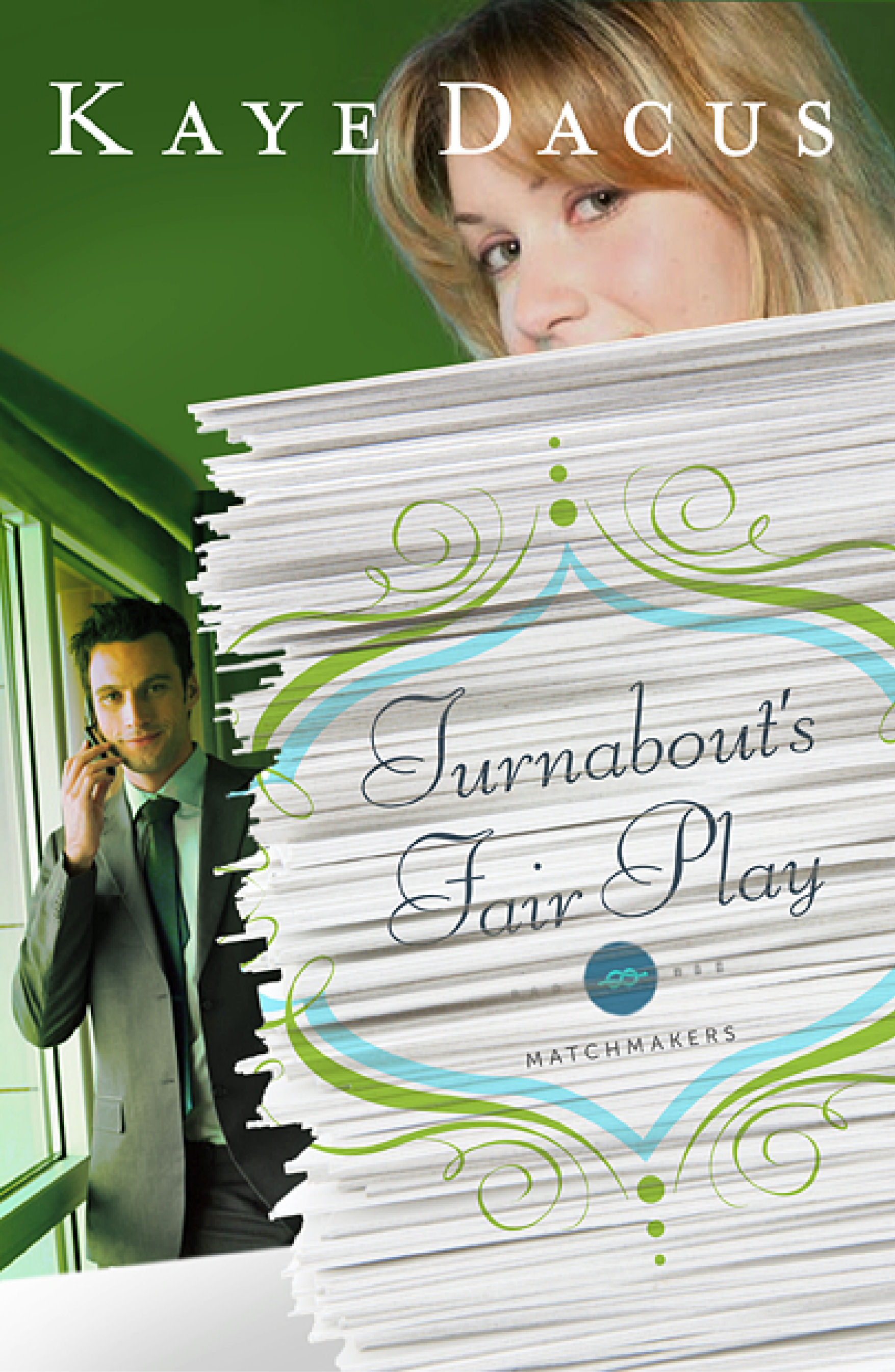 It’s been a long time since I’ve been young enough to be around people who are planning weddings (and a long time since I’ve been involved in an active singles group where this might happen). So I need help . . .
What might a group of six to eight Christian men in their thirties and forties do for a “bachelor party” on a Friday afternoon/evening (the day before the wedding)? Here are things I know I don’t want:
–golfing
–anything involving girls/drinking
–bowling
–video games
–concert/music venue
This is set in Nashville, so that last one seems like the obvious choice. But y’all know me—I hate going with the obvious. So . . . help me plan Bobby Patterson’s bachelor party! (Once again, everyone who helps will be recognized in the acknowledgments in TFP.)
Fun Friday–Jumping the Shark, Yada-Yada & the Moonlighting Effect

For the past sixty or so years, television shows have greatly influenced our lives—from fashion to hairstyles to what’s acceptable to our vernacular. And it’s that last one I want to touch on a little today.
Jumping the Shark
Though it’s highly unusual in this day and age for a TV show to last long enough for this to happen, back in the day when shows were on for five, seven, ten, etc., years, they had to keep upping the ante to keep their viewers—even without all of the competition from cable, On Demand, and streaming video that they have to face now. And usually, they finally got to the point at which their storyline/stunt was so ridiculous it was considered the end of the show. Used to be it was referred to as the “fat lady singing.” But since 1977, we’ve called it jumping the shark. “Jumping the shark is a widely used idiom—first employed to describe a moment in the evolution of a television show, characterized by absurdity, when a particular show abandons its core premises and begins a decline in quality that is beyond recovery” (Wikipedia). This has now expanded beyond TV parlance and is now used to describe anything (a brand, a corporation, a designer, an actor, a writer, etc.) has moved beyond relevance into ridiculousness, just to try to keep the public’s attention. Why? Well, watch this clip:
(Ironically, this was one of the first episodes of the third season and the show would stay on the air for an additional six years—but still, the stigma sticks.)
Yada-yada-yada
I am the first to admit that I have never (repeat: never) been able to sit through a full episode of Seinfeld. I thought it was boring and unfunny when it first aired, and I still feel the same way. But I can’t deny the impact that the show has had on popular culture in the last twenty years. (Yes, twenty—actually, twenty-one—years since its first season.)
I’m certain there are a bunch that have made their way into the popular vernacular that I’m unaware of (and I’ve even been known to pull out a “No soup for you” upon occasion), but this one sticks out to me the most—probably because I heard it around the office all the time back in the mid- to late 1990s:
I tend to use blah-blah-blah, but have found myself, once or twice, using the yada.
The Moonlighting Effect
This is one that’s gotten a lot more traction over the last year or two with the emergence of its heir-apparent show, Castle. While everyone blames the decline and eventual cancellation of Moonlighting on the fact that David and Maddie finally consummated their relationship in the third season—a deeper examination shows that during the fourth season, Cybill Shepherd was limited in or gone from the production quite a bit as she was pregnant and gave birth to twins; during that same season, Bruce Willis was filming Die Hard—and when that proved a hit, he wasn’t really interested in staying on a weekly TV series. But still, the “Moonlighting Effect” comes from the idea that their getting together is what ruined the show.
What are some iconic moments/dialogue you can think of that have influenced popular culture and the things we now do and say?
(p.s.—it doesn’t have to be from TV shows—can be from commercials, music, movies, or anything else that’s become part of our lingo, for example: “I gave him the Reader’s Digest version” to refer to making a long story short.)
Thursday Thought Provoker


 KayeDacus.com